Clear Sky Science · en
Association of prognostic nutritional index with all-cause and CVD mortality in hypertensive individuals
Why food and immunity matter in high blood pressure
Many people know that high blood pressure raises the risk of heart attacks and strokes, but fewer realize that the body’s nutrition and immune system can quietly tilt that risk up or down. This study asks a simple question with big consequences: can a blood test that reflects both nutrition and immune strength help predict which people with high blood pressure are more likely to die from heart and circulation problems or from any cause?
A simple score from routine blood tests
The researchers focused on the prognostic nutritional index, or PNI, a number calculated from two everyday lab tests: the level of a blood protein called albumin and the count of certain white blood cells. Together, these measures capture how well nourished a person is and how robust their immune system appears. Rather than inventing a new test, the team took advantage of data already collected in a large US health survey, allowing them to explore how this score relates to long term survival in people living with high blood pressure.
Who was studied and how
Using data from the US National Health and Nutrition Examination Survey between 2003 and 2018, the team identified 6,165 adults with high blood pressure who also had complete information on PNI and other health factors. Participants were followed for nearly eight years on average, during which 1,733 died from any cause and 516 died from heart and blood vessel diseases. The scientists used statistical models that accounted for age, sex, smoking, body weight, blood sugar, kidney function and many other variables to see whether PNI still mattered after these influences were considered.
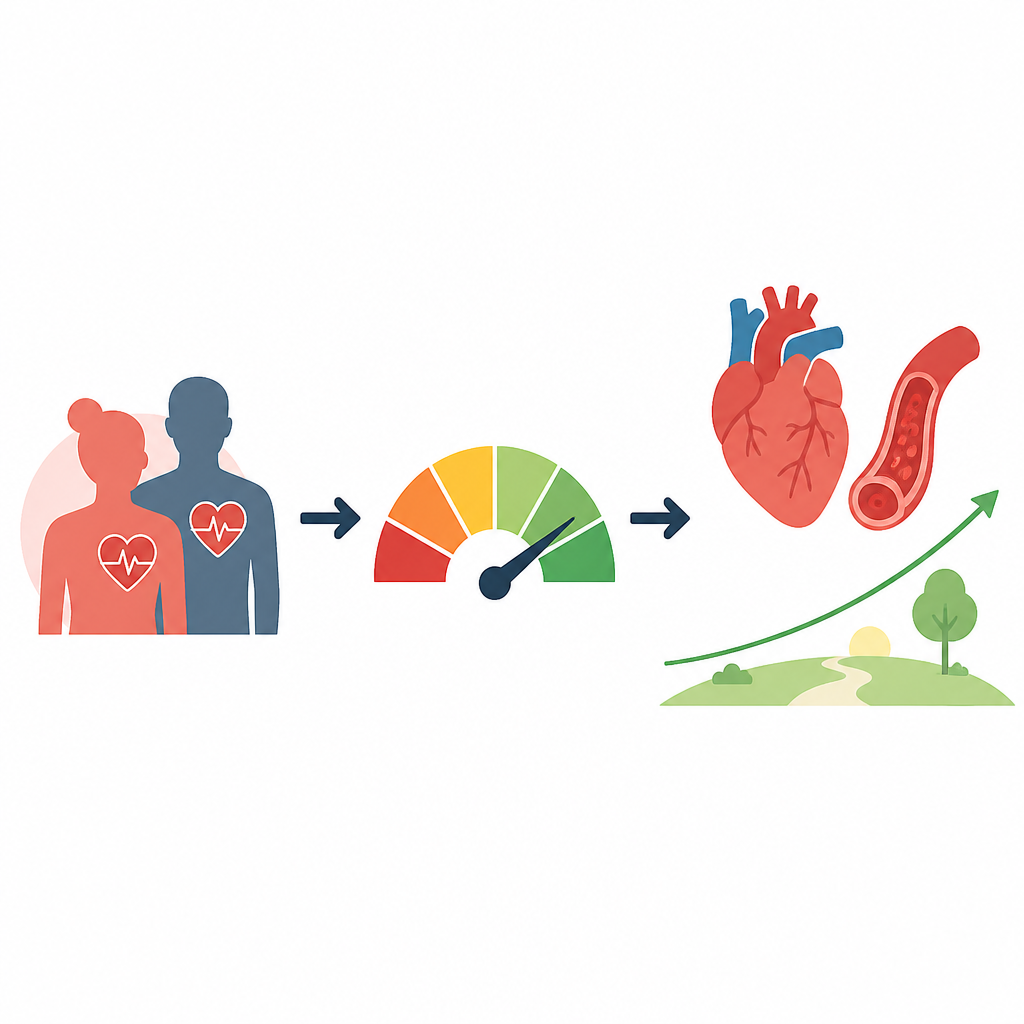
An L shaped link between nutrition score and risk
The central finding is that the link between PNI and death risk was not a straight line but L shaped. At low PNI values, small increases in the score were tied to a steep drop in the chance of dying. This decline in risk continued until the PNI reached about 51.5. Beyond that point, the curve flattened: higher scores did not bring much additional benefit. In practical terms, each one point rise in PNI below this threshold was associated with roughly a 9 percent lower risk of death from any cause in people with high blood pressure. A similar pattern appeared for deaths from heart and blood vessel disease specifically.
Who benefits most from a higher score
The researchers also asked whether the PNI mattered more for some groups than others. They sliced the data by age, sex, body mass, diabetes and existing heart disease. The protective pattern was broadly similar across all of these subgroups, suggesting that the score is useful for many types of patients with high blood pressure. The trend looked especially strong in adults younger than 60 years and in those who also had diabetes, hinting that paying attention to nutrition and immune health could be particularly important in these higher risk groups.
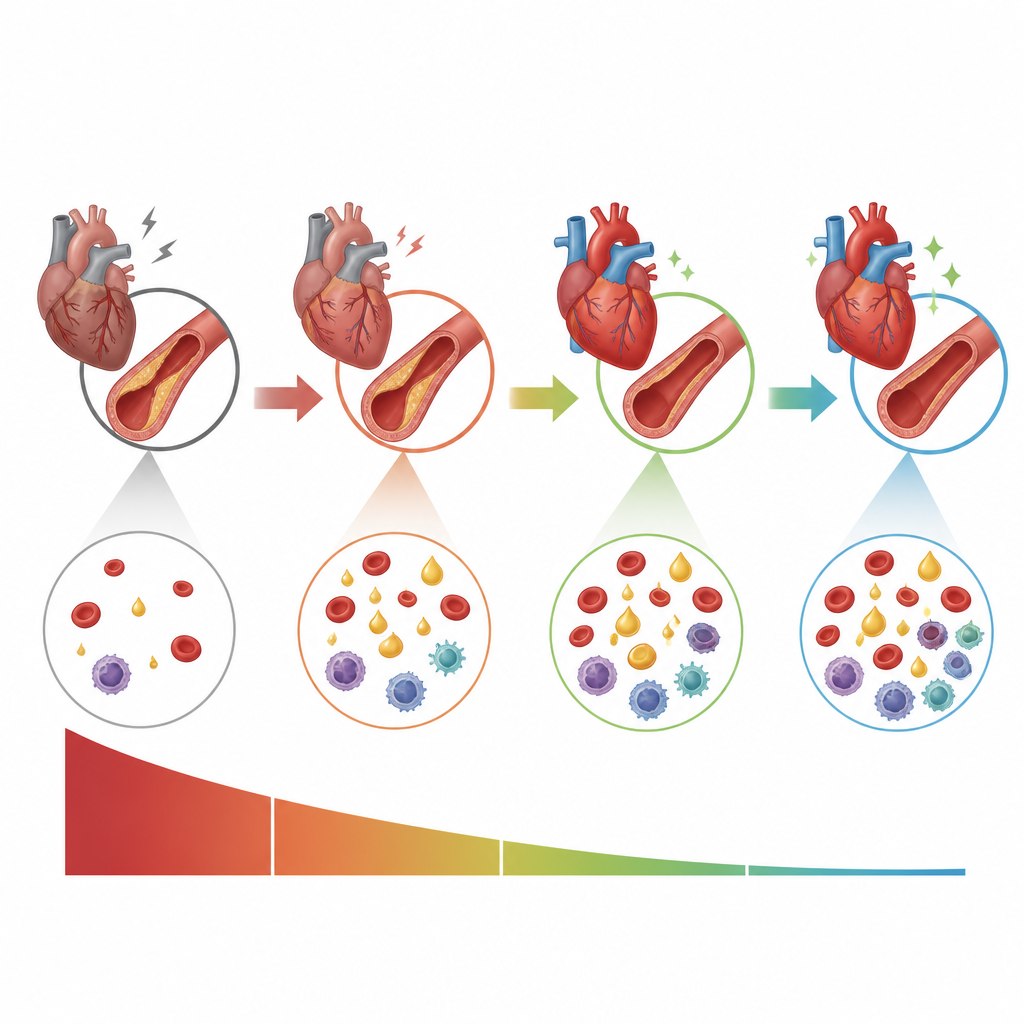
What this means for patients and doctors
Taken together, the results suggest that PNI captures a core aspect of health that shapes survival in people with high blood pressure: the combined state of their nutrition and immune system. When this score falls below about 51.5, risk of death rises sharply, while bringing it up toward or above that level appears linked to safer ground. Because PNI relies on simple blood tests that are already widely available, it could serve as a practical tool to flag high blood pressure patients who might benefit from closer attention to diet, protein intake and inflammation related problems. The study cannot prove that raising PNI will extend life, but it strongly supports using this index as a guide for risk awareness and future research.
Citation: Liu, W., Liu, Y., Guo, X. et al. Association of prognostic nutritional index with all-cause and CVD mortality in hypertensive individuals. Sci Rep 16, 14981 (2026). https://doi.org/10.1038/s41598-026-45144-6
Keywords: hypertension, nutrition, immune health, cardiovascular risk, mortality