Clear Sky Science · en
The utility of aqueous and serum apolipoprotein E and galectin-3 as biomarkers of neuroinflammation in glaucoma
Why this eye study matters
Glaucoma is a leading cause of permanent blindness, often creeping forward without symptoms until vision is already damaged. Doctors can lower eye pressure, but many people still lose sight. This study asks a practical question with big stakes: can simple chemical traces in eye fluid or blood reveal harmful inflammation in the eye early on, guiding care before more vision is lost?
Tiny messengers in a diseased eye
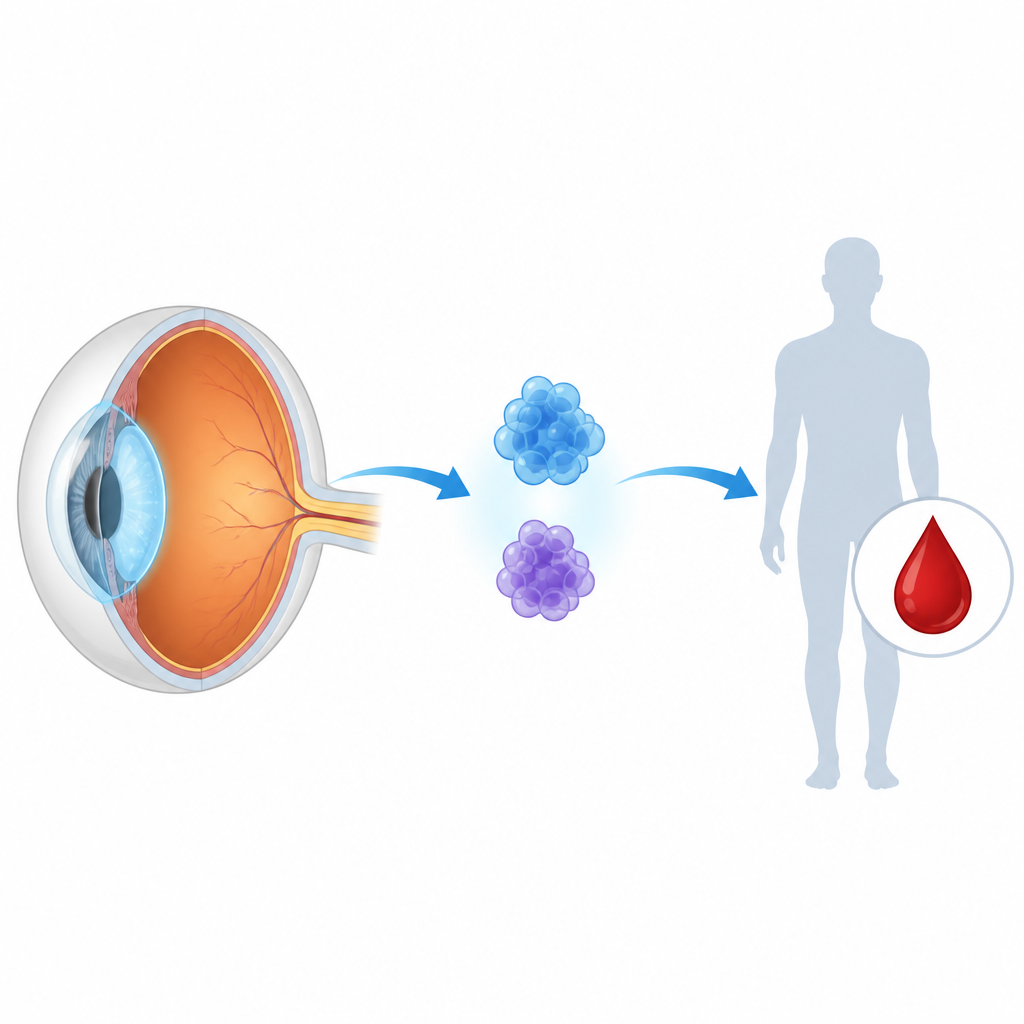
The researchers focused on two proteins, apolipoprotein E and galectin 3, which are released by the brain’s immune cells when they are in an activated, inflammatory state. In animal models of glaucoma, blocking these proteins, or the cells that release them, helps protect the nerve cells that carry visual signals to the brain. That link raised the hope that the same proteins in people might serve as warning signs of damaging inflammation in the eye.
How the team tested patients
To explore this, the team studied 100 people with different types and stages of glaucoma and compared them with 110 people having routine cataract surgery but no glaucoma. At the start of eye surgery, surgeons gently collected a small amount of the clear fluid from the front of the eye and also drew a blood sample. Using sensitive laboratory tests, they measured how much apolipoprotein E and galectin 3 were present in both the eye fluid and the blood.
What they found in eye fluid and blood
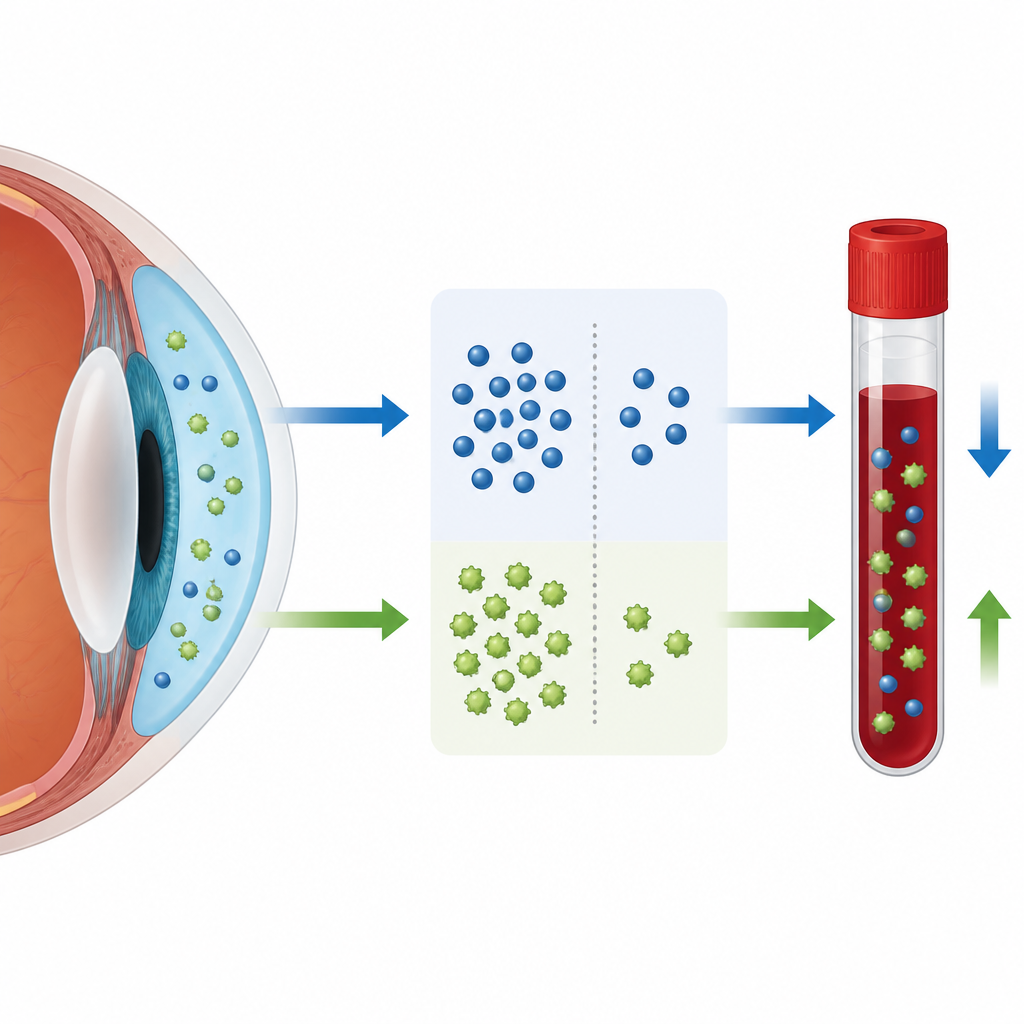
In the eye fluid, both proteins were clearly higher in people with glaucoma than in those without the disease. The two markers tended to rise together, suggesting they reflect a shared inflammatory process inside the eye. However, their levels did not track neatly with common measures of disease severity such as eye pressure or visual field loss, although apolipoprotein E showed a slight link with thinning of the nerve layer at the back of the eye and with having had more prior glaucoma surgeries.
Local trouble in the eye versus whole body signals
The blood told a different story. Only apolipoprotein E was higher in the bloodstream of glaucoma patients, while galectin 3 was similar in patients and controls. Strikingly, apolipoprotein E levels in blood did not match those in eye fluid and did not relate to how advanced the glaucoma was. This mismatch suggests that the inflammation affecting the optic nerve and retina is largely confined to the eye and is better reflected by eye fluid than by blood tests. At the same time, the rise of apolipoprotein E in blood may point to broader changes in fat handling in the body, which other studies have linked to glaucoma risk and eye pressure.
What this could mean for future care
The study suggests that measuring apolipoprotein E and galectin 3 in the clear fluid at the front of the eye could give doctors a window into local inflammation that harms vision in glaucoma. Blood tests, at least for these particular proteins, appear less useful for tracking that damage, though they may hint at changes in cholesterol and other fats tied to the disease. While sampling eye fluid is too invasive for routine screening, it could become a valuable tool during planned eye surgery or in clinical trials, helping to select patients and monitor new treatments that aim to calm harmful inflammation and better protect sight.
Citation: El Helwe, H., Falah, H., Xue, Y. et al. The utility of aqueous and serum apolipoprotein E and galectin-3 as biomarkers of neuroinflammation in glaucoma. Sci Rep 16, 14787 (2026). https://doi.org/10.1038/s41598-026-45007-0
Keywords: glaucoma, eye inflammation, biomarkers, apolipoprotein E, galectin-3