Clear Sky Science · en
Diagnostic and prognostic value of serum miR-155 in chronic obstructive pulmonary disease
Why this matters for everyday breathing
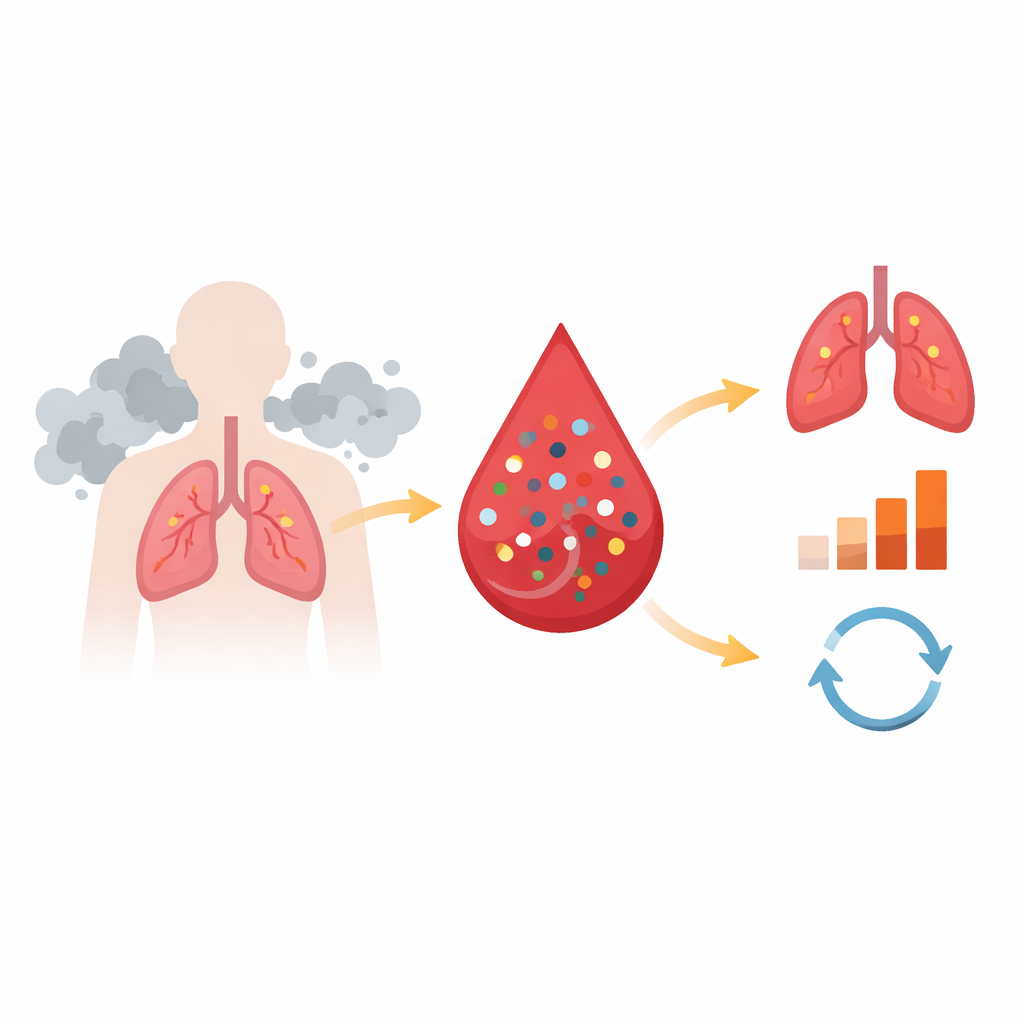
Chronic obstructive pulmonary disease, or COPD, is a long-term lung condition that makes it hard to breathe and is now one of the top causes of death worldwide. Yet doctors still struggle to tell who is heading for a dangerous flare-up, which infections are involved, and who is likely to worsen over time. This study explores a tiny molecule in the blood called miR-155 that might act like an early warning light on the dashboard, signaling smoke damage, inflammation, infection type, and future risk of sudden breathing crises.
A small signal with a big story
MiR-155 is a short piece of genetic material that helps control how immune cells respond to threats. Cigarette smoke, infections, and other stresses can cause immune cells to release more of it. The researchers asked whether the amount of miR-155 in the blood could help them detect COPD, distinguish calm periods from dangerous flare-ups, and even flag the kind of infection involved. They were especially interested in a severe fungal lung infection, invasive pulmonary aspergillosis, which is difficult to diagnose early but often deadly in patients with advanced COPD.
Who was studied and what was measured
The team followed 117 adults treated at a single hospital in China. These included patients with stable COPD, patients in the middle of an acute worsening of COPD, heavy smokers without COPD, and healthy volunteers. Everyone had blood drawn. From this blood, the scientists measured miR-155 levels in immune cells and checked several inflammatory messenger proteins (cytokines) that rise when the body is under attack, such as IL-1β, IL-6, IL-8 and TNF-α. COPD patients were then tracked for one year to see how often they suffered flare-ups requiring medical attention.
What miR-155 revealed about smoke and flare-ups
MiR-155 levels were clearly higher in both heavy smokers and people with COPD than in healthy non-smokers, reinforcing the tight link between tobacco exposure and chronic inflammation. Among COPD patients, those experiencing an acute flare-up had much higher miR-155 than those in a stable phase, even after accounting for whether they still smoked. A statistical test known as an ROC curve showed that a single blood measurement of miR-155 could distinguish a flare-up from stable disease with high overall accuracy. Higher miR-155 also went hand in hand with higher levels of the inflammatory cytokines, more advanced COPD stage, and worse symptom-based groupings, suggesting that this marker tracks both lung damage and whole-body inflammatory burden.
Clues about infection type and future risk
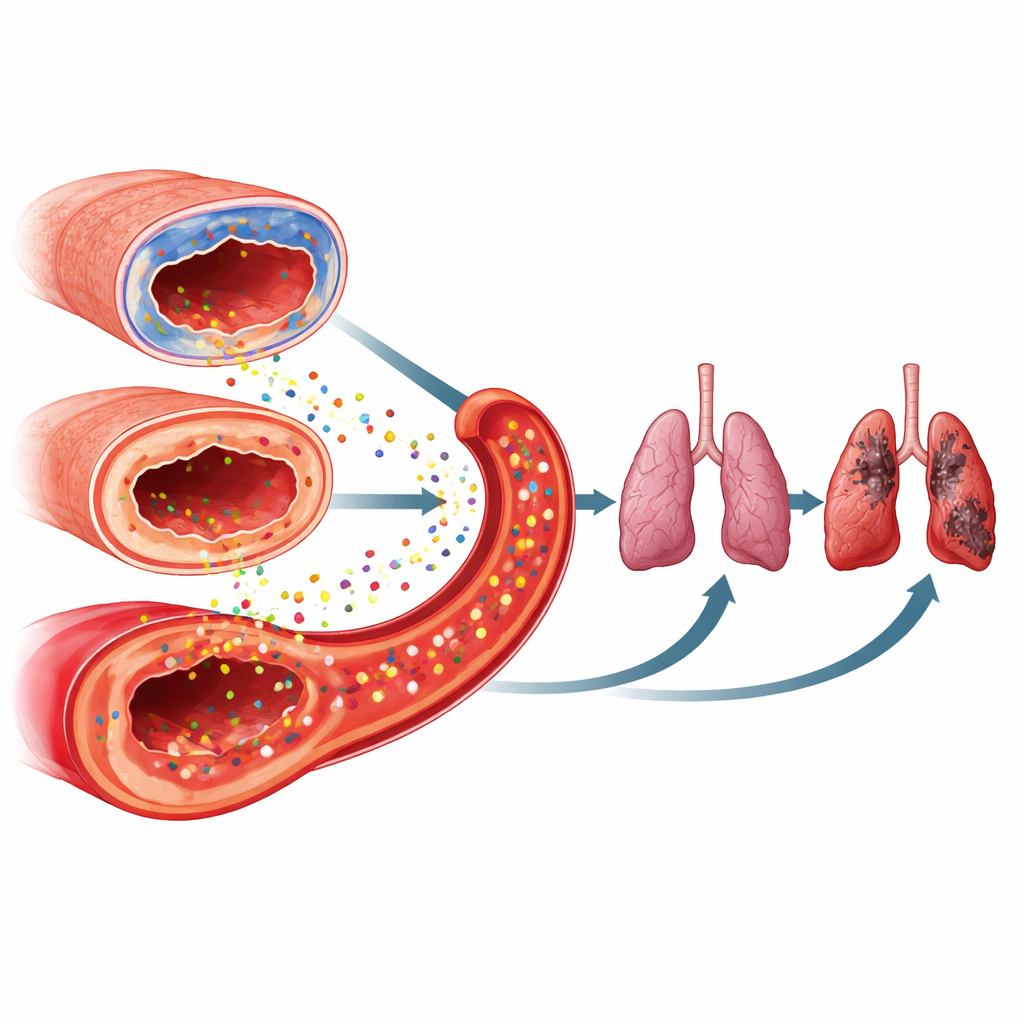
The study also hints that miR-155 could help tell what kind of infection is driving a flare. Among patients with acute COPD worsening, those with the dangerous fungal infection invasive pulmonary aspergillosis had noticeably lower miR-155 levels than those with other infections. This pattern mirrors laboratory work showing that certain fungi do not strongly trigger miR-155, unlike many bacteria and viruses. Over the following year, patients whose blood showed higher miR-155 during stable periods were more likely to suffer repeated flare-ups. In fact, miR-155 levels rose in step with the number of exacerbations, marking it as a promising tool for predicting which patients are heading for a rough year.
What this could mean for patients
Taken together, the findings suggest that blood miR-155 reflects how much ongoing smoke-related inflammation a person has, how severe their COPD is, and how likely they are to experience future breathing crises. It may also help doctors suspect a fungal infection when levels are unusually low during a flare. While larger and longer-term studies are still needed before it can be used in routine care, miR-155 offers a glimpse of a future in which a simple blood test helps personalize COPD treatment—identifying high-risk patients early, guiding closer follow-up, and tailoring antibiotics or antifungal drugs more precisely.
Citation: Wu, Y., Zhang, K., Zhong, R. et al. Diagnostic and prognostic value of serum miR-155 in chronic obstructive pulmonary disease. Sci Rep 16, 14266 (2026). https://doi.org/10.1038/s41598-026-44741-9
Keywords: COPD, microRNA, biomarkers, smoking, lung inflammation