Clear Sky Science · en
Changes in the proteomic profile of athletes’ plasma associated with exercise intensity
Why Your Blood Changes When You Train
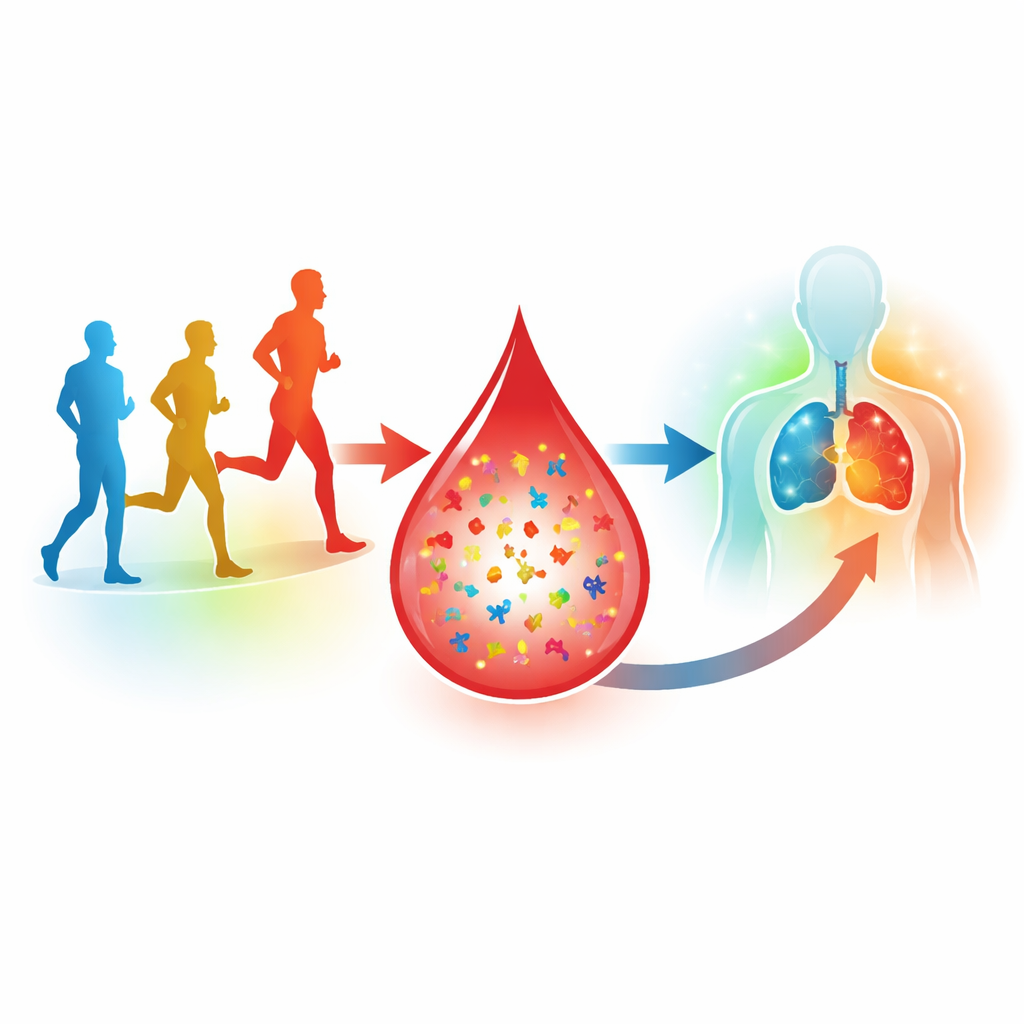
When we think about training harder, we usually picture stronger muscles, a bigger lung capacity, or a tougher heart. But deep inside your bloodstream, tiny protein molecules are also reshaping themselves in response to how hard and how often you exercise. This study looked at the blood plasma of elite athletes from different sports and training intensities to see how their internal chemistry changes with years of hard work — information that could help fine‑tune training, protect health, and perhaps guide truly personalized coaching.
Who the Athletes Were and How They Were Studied
The researchers examined 93 elite athletes who had been training for many years in sports that place low, moderate, or high demands on the heart and lungs, such as rowing, biathlon, wrestling, or sailing. All athletes were healthy, regularly monitored, and in a general preparation period of training. Blood was drawn in the morning after an overnight fast, and the plasma — the liquid portion of blood — was analyzed. Plasma is chemically rich, carrying proteins involved in transport, immunity, metabolism, and much more, making it a powerful mirror of how the body adapts to long‑term training.
Peeking Into Plasma With Advanced Protein Scanners
To map the proteins in each sample, the team used high‑resolution mass spectrometry, a technology that weighs and fragments molecules to identify them. They combined two complementary computer strategies: one that compares measurement data to a known protein library, and another that “reads” new protein fragments directly without relying on existing catalogs. By cross‑checking both approaches and using strict quality filters, they reliably identified 197 proteins in the athletes’ plasma. Many of these were involved in transporting fats, oxygen, and iron, maintaining fluid balance, and controlling inflammation and immune responses, giving a broad picture of the body’s internal adjustments to years of training.
What Changes With Harder Training
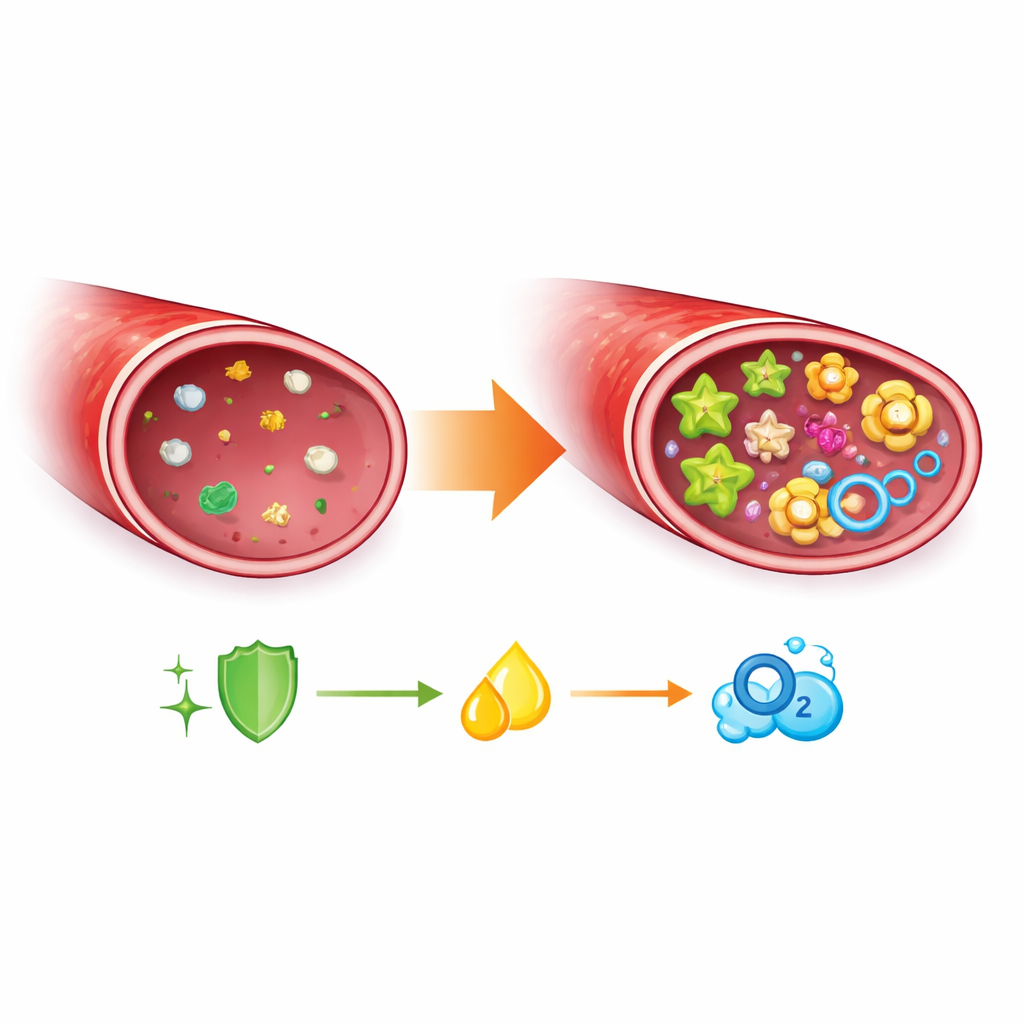
When the researchers compared athletes in the high‑intensity sports with those in moderate‑ and low‑intensity sports, several clear patterns emerged. In the high‑intensity group, proteins that bind hemoglobin and help protect tissues from oxidative damage tended to be higher. Proteins involved in blood clotting control, immune activity, and the handling of fats and vitamin D also showed distinct shifts. Another protein, apolipoprotein D, which is linked to dampening inflammation and oxidative stress, appeared more often in the higher‑intensity groups, hinting at a built‑in protective response to the greater physiological strain these athletes face.
What Routine Blood Tests Revealed
The team also looked at standard clinical blood measures, such as lactate, triglycerides (blood fats), bone‑turnover markers, and muscle‑damage markers. In men training at the highest intensities, blood lactate and triglyceride levels were lower than in athletes with lower training loads, suggesting more efficient energy use and fat burning. At the same time, creatine kinase, a marker of muscle stress and repair, was higher in the high‑intensity group, consistent with heavier muscular demands. Overall, most values stayed within normal ranges, implying that these changes are part of healthy adaptation rather than warning signs of disease, although the smaller number of female athletes means those results must be viewed cautiously.
Why These Invisible Shifts Matter
Taken together, the findings show that long‑term training in demanding sports leaves a distinct signature in blood plasma proteins and routine blood markers. These invisible shifts reflect the body’s efforts to balance energy use, protect tissues from stress, and fine‑tune immunity and inflammation in response to heavy workloads. In the future, such detailed “molecular portraits” of athletes could help coaches and doctors track adaptation, spot early signs of overload, and tailor training and recovery more precisely to the individual, turning ordinary blood tests into a window on performance and health.
Citation: Malsagova, K.A., Butkova, T.V., Nikolsky, K.S. et al. Changes in the proteomic profile of athletes’ plasma associated with exercise intensity. Sci Rep 16, 14205 (2026). https://doi.org/10.1038/s41598-026-44729-5
Keywords: sports training, blood proteins, exercise intensity, athlete health, sports science