Clear Sky Science · en
APR-246 drives ROS-dependent ferroptosis and apoptosis and enhances anti–PD-1 efficacy in bladder cancer
Why this research matters for cancer patients
Bladder cancer is common and often stubbornly resists modern immunotherapy drugs that release the brakes on the immune system. This study explores whether a medicine called APR-246, originally designed to fix a damaged tumor-suppressor protein, can both kill bladder cancer cells more effectively and at the same time make them more visible and vulnerable to the body’s own immune defenses.
A common genetic weak spot in bladder tumors
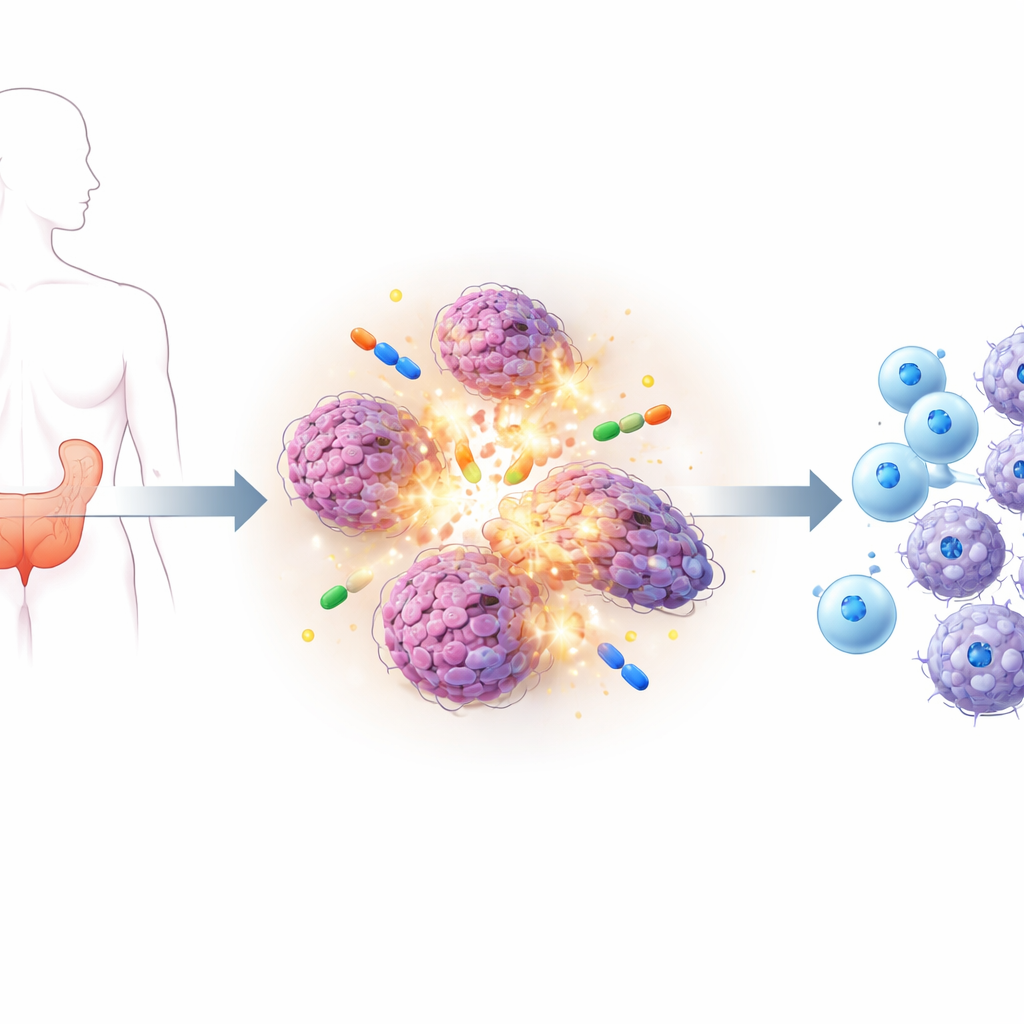
Many bladder cancers carry damaging changes in a gene called TP53, which normally helps cells respond to stress and repair DNA or self-destruct when something goes wrong. Roughly half of bladder tumors have faulty TP53, and these cancers tend to be more aggressive and harder to treat. The researchers began by confirming, using large public datasets and cancer cell lines, that TP53 mutations are widespread and mostly of a type that changes the protein’s structure rather than deleting it entirely. They then tested APR-246 on several human and mouse bladder cancer cell lines and found that cells with mutant TP53 were more easily killed by the drug than those with normal TP53, suggesting that APR-246 selectively targets a key weakness in these tumors.
How APR-246 pushes cancer cells over the edge
APR-246 was designed to stabilize and partially restore the normal shape and behavior of mutant p53 protein. But the team shows that its impact goes beyond this. In bladder cancer cells, APR-246 causes a surge in highly reactive molecules known as reactive oxygen species, or ROS, which place cells under intense oxidative stress. Using a series of chemical “rescue” experiments, they demonstrate that blocking ROS, iron-dependent reactions, or apoptosis-related enzymes each protects the cells only partially, while combining certain blockers offers stronger protection. This indicates that APR-246 drives at least two forms of programmed cell death in parallel: ferroptosis, which involves iron-fueled damage to cell membranes, and classical apoptosis, in which cells fragment in a more orderly way. Measurements of lipid damage and key proteins support this dual death pathway.
Turning dying tumor cells into immune beacons
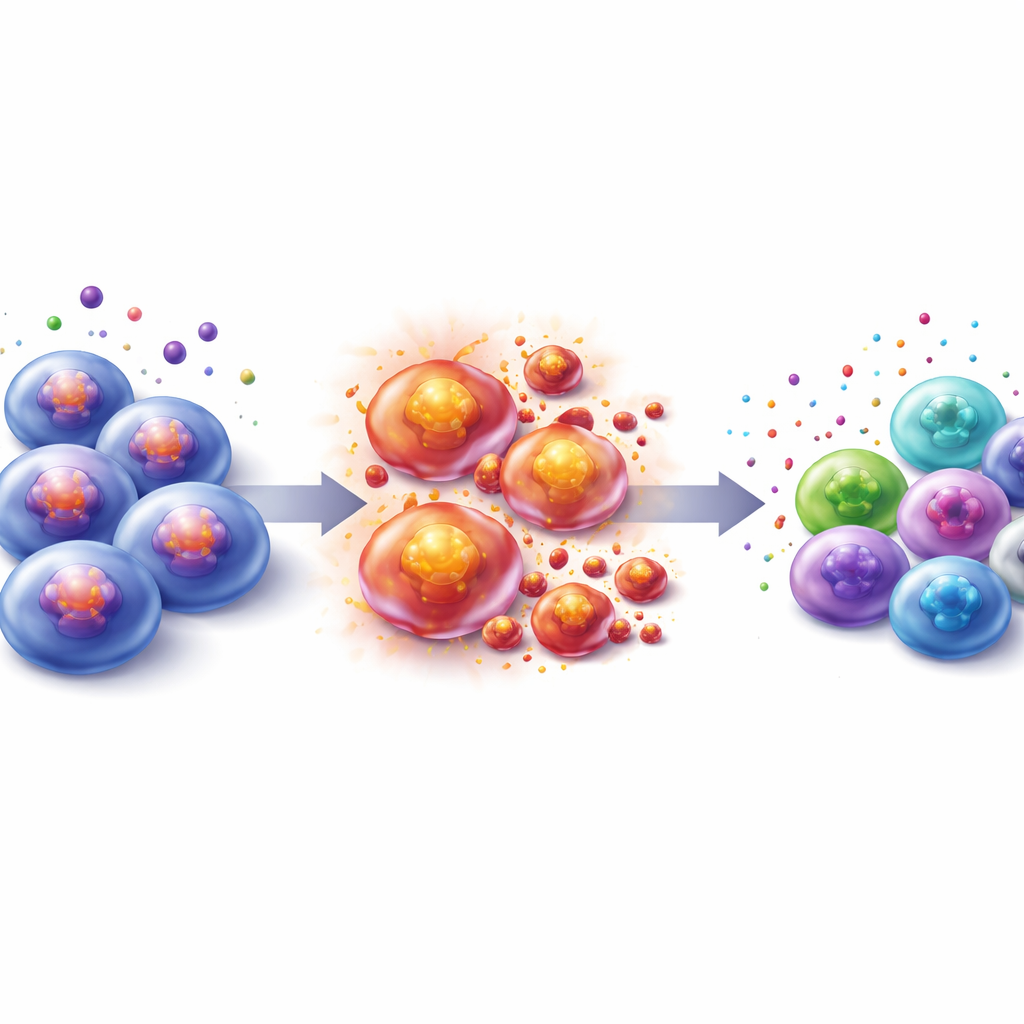
Cell death alone does not guarantee better long-term control of cancer; the immune system must also be engaged. To see how APR-246 reshapes cell behavior, the researchers performed global gene activity profiling on treated bladder cancer cells. They observed renewed activity in many genes usually controlled by healthy p53, along with a strong rise in two chemical signals, CCL5 and CXCL10, which are known to attract killer T cells and natural killer cells. Follow-up experiments confirmed that tumor cells not only increased production of these signals inside the cell but also released more of them into their surroundings, suggesting that APR-246 turns stressed, dying cancer cells into small factories that call in immune reinforcements.
Proof in animal models: fewer tumors, more immune soldiers
The team then moved to mouse models of bladder cancer. In immune-competent mice, APR-246 slowed tumor growth, shrank final tumor size, and did so without major weight loss, indicating acceptable tolerability. Tumors from treated mice contained more CD8 and CD4 T cells, as well as natural killer cells, confirming that immune forces were indeed entering the tumor bed. When the same experiment was repeated in immune-deficient mice, where key immune cells are missing, APR-246 still had some direct anti-tumor effect but was clearly less powerful, underscoring that a fully functional immune system is important for the drug’s maximum benefit. Most strikingly, when APR-246 was combined with a widely used immune checkpoint blocker that targets PD-1, tumors shrank more and contained even more cancer-fighting immune cells than with the checkpoint drug alone.
What this could mean for future bladder cancer treatment
For non-specialists, the main message is that APR-246 appears to attack TP53-mutant bladder cancer on two fronts: it destabilizes cancer cells from within by overloading them with oxidative stress, causing them to die through multiple routes, and it simultaneously pushes those cells to emit stronger chemical “help” signals that draw in immune cells. In mice, this combination makes tumors more sensitive to existing PD-1–blocking immunotherapies. While further studies in patients are needed and questions remain about the best dosing, timing, and patient selection, the work provides a clear mechanistic rationale for clinical trials that pair APR-246 with PD-1 inhibitors in bladder cancer, aiming to convert more patients from partial or non-responders into durable responders.
Citation: Zhang, C., Cao, S., Zeng, G. et al. APR-246 drives ROS-dependent ferroptosis and apoptosis and enhances anti–PD-1 efficacy in bladder cancer. Sci Rep 16, 13595 (2026). https://doi.org/10.1038/s41598-026-44653-8
Keywords: bladder cancer, APR-246, TP53 mutation, tumor immunity, PD-1 immunotherapy