Clear Sky Science · en
Comparison of serum 25-hydroxyvitamin D levels between patients with multiple chemical sensitivity and healthy controls: A case–control study
Why this study matters to everyday life
Many people report feeling sick from faint scents of perfume, cleaning sprays, or exhaust fumes, even when others around them feel fine. This condition, known as multiple chemical sensitivity (MCS), remains poorly understood and often controversial. At the same time, vitamin D has become a star nutrient, linked not only to bone health but also to mood, immunity, and brain function. This study asks a simple but important question: are people with MCS more likely to have low vitamin D levels than the general population?
Looking for a missing piece
Researchers in Japan focused on a form of vitamin D that circulates in the blood, called 25-hydroxyvitamin D. It is the standard laboratory marker used to judge whether someone has enough vitamin D. Because vitamin D has been tied to neurological problems and allergic diseases, and MCS seems to share features of both—heightened sensitivity to environmental triggers and overlapping allergy-like symptoms—the team wondered if a clear difference in vitamin D status might help explain why some people become chemically sensitive while others do not. To test this, they compared vitamin D levels between patients diagnosed with MCS and a large group of adults undergoing routine health checkups.

How the comparison was done
The study used a case–control design. The “case” group included 80 adults diagnosed with MCS at a specialized allergy center between 2023 and 2024. Diagnosis relied on both a structured questionnaire that captures reactions to everyday exposures and confirmation by physicians experienced in MCS. The “control” group consisted of 5,518 adults who had blood tests as part of regular medical exams a few years earlier in nearby clinics. All participants lived in regions with similar sunlight exposure, helping to reduce differences in vitamin D due to climate. Vitamin D in the patients was measured using one laboratory method, while vitamin D in controls had been measured with a different, more automated approach. Because these two methods had been carefully compared in an earlier study, the researchers converted the control results so they could be placed on the same scale.
What the numbers revealed
Both groups turned out to have surprisingly low vitamin D levels. About three out of four people in each group met the definition of deficiency, with blood values below 20 nanograms per milliliter. The median level was 14.6 in the MCS group and 15.6 in the control group, a difference that was not statistically meaningful. To make sure subtle influences did not hide a real effect, the researchers used a detailed statistical model that adjusted for age, sex, body weight, smoking, alcohol use, physical activity, and the season when blood was drawn—factors known to affect vitamin D. Even after these adjustments and advanced resampling to handle the uneven group sizes, the difference between MCS patients and healthy adults remained small and non-significant.
Clues from the body’s defenses
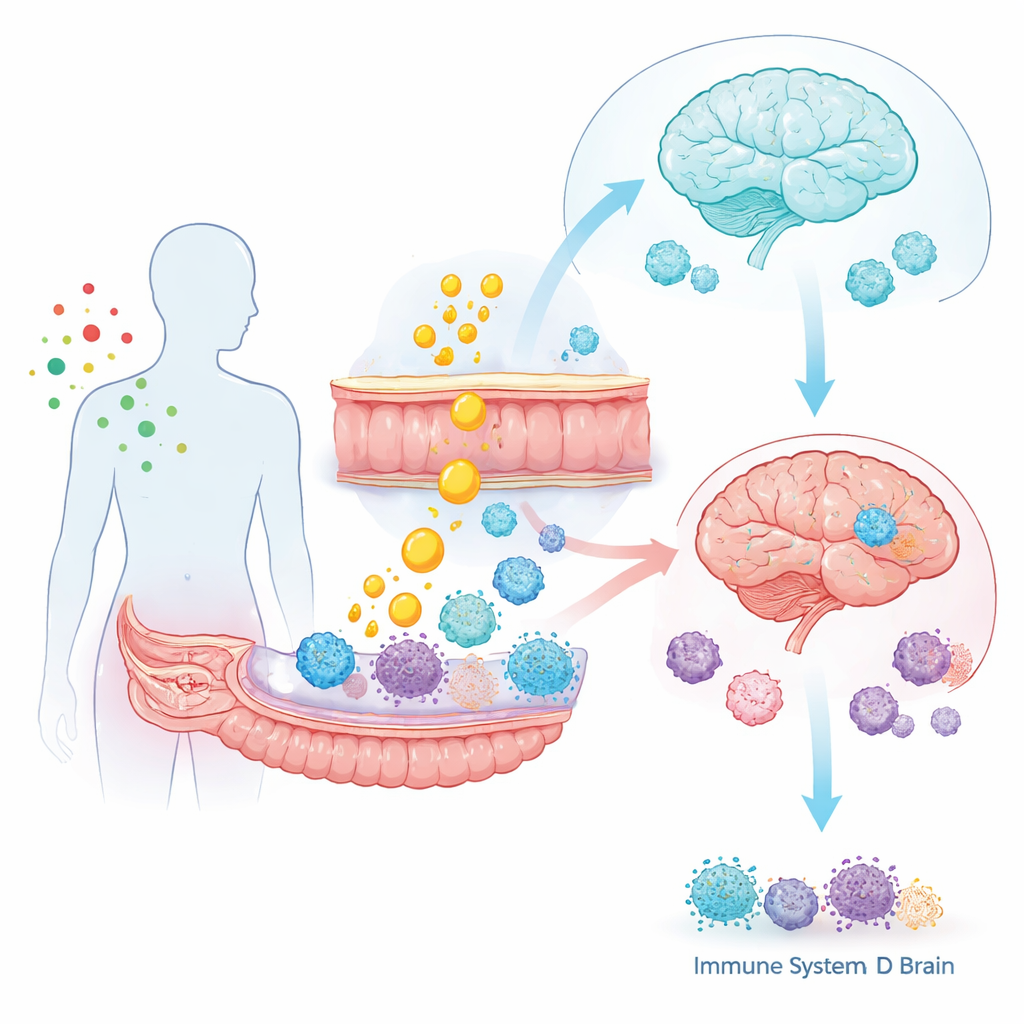
Although the headline result was negative—no clear gap in vitamin D levels between groups—the authors caution against dismissing vitamin D altogether. They review a growing body of work showing that vitamin D can quiet inflammatory signals, stabilize certain immune cells, and help protect the blood–brain barrier, the delicate filter that shields the brain from harmful substances. In theory, disturbances in how vitamin D is processed or how its receptor works inside specific tissues could still shape a person’s sensitivity to chemicals, even if total blood levels appear normal. Environmental pollutants might speed up the breakdown of vitamin D or interfere with its absorption, while genetic differences in vitamin D receptors could make some individuals more vulnerable to the same exposure.
What this means going forward
The authors conclude that low vitamin D in the bloodstream is common in both people with MCS and the general population, and does not seem to serve as a simple blood marker that separates those with chemical sensitivity from those without. For patients and clinicians, this suggests that routine vitamin D testing alone is unlikely to explain MCS, though correcting clear deficiency may still be worthwhile for overall health. The study points toward a more complex picture in which vitamin D might act locally in the brain and immune system rather than through a single number on a lab report. Future research, they argue, should combine brain science, immunology, and environmental health to explore how vitamin D signaling, genetic makeup, and chemical exposures interact to produce heightened sensitivity.
Citation: Watai, K., Ochi, S., Matsuura, T. et al. Comparison of serum 25-hydroxyvitamin D levels between patients with multiple chemical sensitivity and healthy controls: A case–control study. Sci Rep 16, 13943 (2026). https://doi.org/10.1038/s41598-026-44643-w
Keywords: multiple chemical sensitivity, vitamin D deficiency, environmental health, neuroimmune sensitization, case–control study