Clear Sky Science · en
Docosahexaenoic acid is comparable to vildagliptin in improving hyperglycemia and pancreatic insulin signaling of diabetic rats via SIRT1/Akt/PI3K pathway
Why Fish Oil and Diabetes Drugs Matter
Type 2 diabetes is rising worldwide, and many people take daily medications to control their blood sugar. But what if a natural nutrient found in fish oil could work almost as well as a prescribed diabetes pill—and even offer extra protection for the pancreas, the organ that makes insulin? This study in rats explores whether docosahexaenoic acid (DHA), an omega‑3 fat, can rival the diabetes drug vildagliptin in improving blood sugar, protecting insulin‑producing cells, and calming harmful oxidative stress in the pancreas.
How the Study Was Set Up
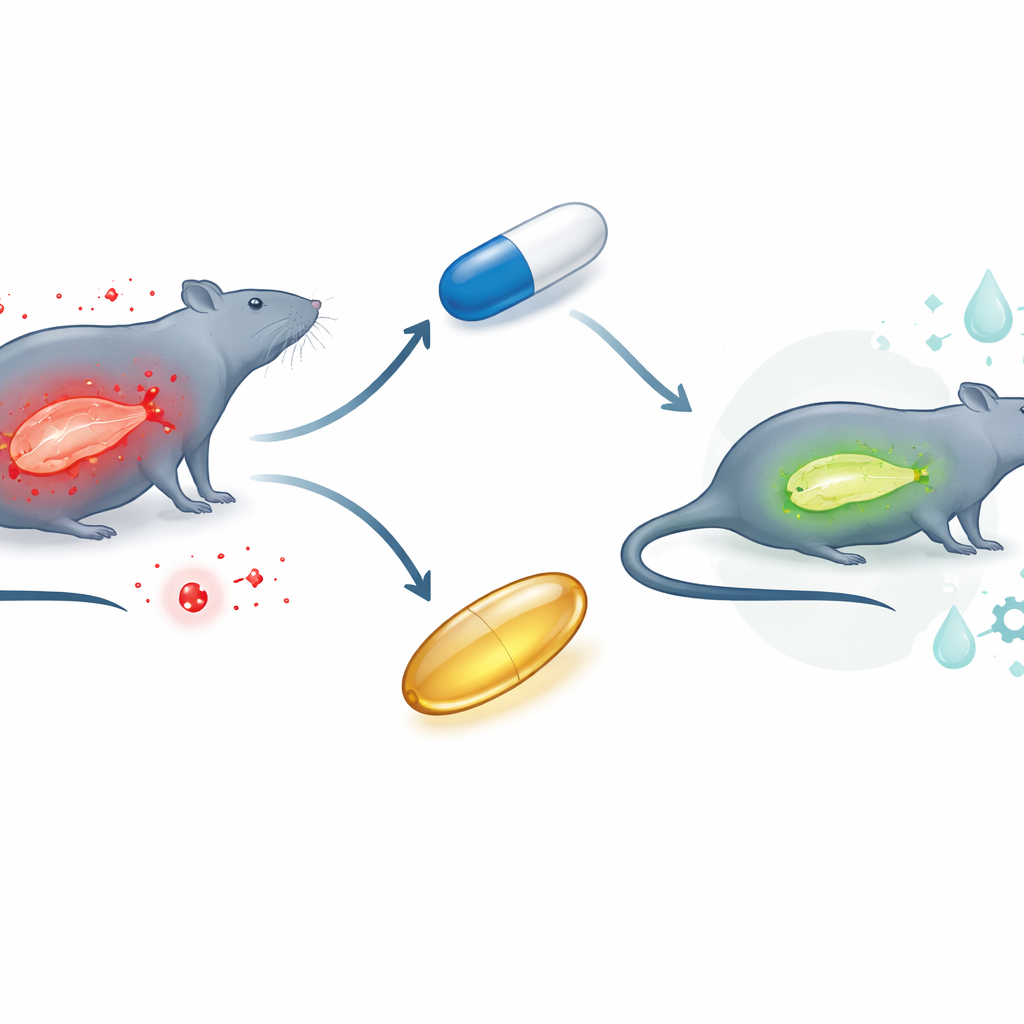
Researchers used a well‑established rat model that mimics human type 2 diabetes. Rats were first fed a high‑carbohydrate, high‑fat diet to trigger weight gain and insulin resistance, then given a low dose of the chemical streptozotocin to partially damage their insulin‑producing beta cells. This produced animals with high blood sugar, low insulin levels, and a damaged pancreas. The rats were then split into groups: healthy controls, diabetic controls, diabetic rats treated with vildagliptin, diabetic rats treated with DHA, and a healthy group given DHA alone to see how it acts in normal animals.
What Happened to Blood Sugar and Fats
Both vildagliptin and DHA strongly improved key markers of diabetes. In untreated diabetic rats, fasting blood sugar was more than five times higher than normal and insulin levels were sharply reduced. After four weeks of treatment, rats receiving either vildagliptin or DHA had blood sugar and insulin levels that approached those of healthy animals, and their calculated insulin resistance dropped back toward normal. The benefits were not limited to sugar: both treatments clearly improved blood fats, lowering total cholesterol, “bad” LDL and triglycerides, while raising “good” HDL. Notably, DHA outperformed vildagliptin in raising HDL and in lowering triglycerides and very‑low‑density lipoproteins, suggesting an edge for heart and blood vessel health.
Protecting the Pancreas from Oxidative Damage
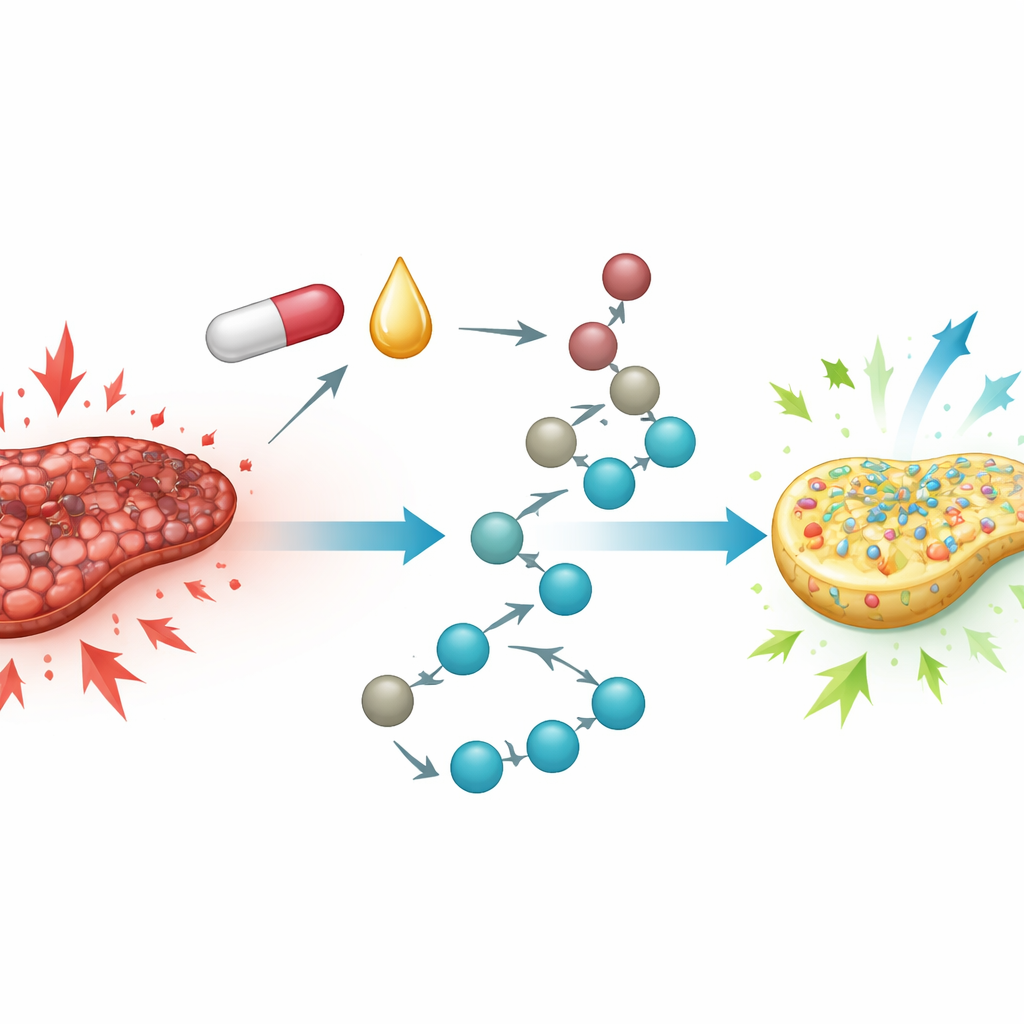
High blood sugar and abnormal fats generate reactive oxygen species—chemically aggressive molecules that can injure tissues, especially delicate beta cells. The team measured markers of oxidative damage and antioxidant defenses in the pancreas. Diabetic rats showed much higher levels of malondialdehyde, a by‑product of fat damage, and sharply reduced levels of natural antioxidants such as glutathione and the enzymes catalase, superoxide dismutase, and glutathione peroxidase. Treatment with either vildagliptin or DHA reversed these trends: oxidative damage fell and antioxidant defenses rose. Here, DHA had a clear advantage, restoring antioxidant enzyme activity and glutathione more strongly and lowering the damage marker more effectively than the drug.
Reawakening Cellular Signaling and Preserving Tissue Structure
Inside beta cells, a network of proteins helps them respond properly to insulin‑related signals. The study focused on three key players—SIRT1, PI3K, and Akt—which together support cell survival, metabolism, and insulin sensitivity. Diabetes suppressed the activity of the genes encoding these proteins in the pancreas. Both DHA and vildagliptin boosted their gene expression back toward normal, suggesting that each treatment helps reactivate this protective signaling pathway. Microscopic examination of the pancreas told the same story: diabetic rats had shrunken, damaged clusters of insulin‑producing cells, with signs of swelling, bleeding, and cell loss. Rats treated with either DHA or vildagliptin showed much healthier pancreatic tissue, with more normal‑looking islets of Langerhans and less structural damage.
What This Could Mean for People
For a lay reader, the core message is that in this rat model of type 2 diabetes, DHA—an omega‑3 fat commonly found in fish oil—was about as effective as the prescription drug vildagliptin at lowering blood sugar and improving insulin function, while actually doing a better job at reducing oxidative damage and improving blood fats. DHA did not push blood sugar too low in healthy rats, suggesting it acts mainly when diabetes‑like stress is present. The findings support the idea that DHA can protect the pancreas and improve insulin signaling through a specific internal pathway, while also boosting the organ’s antioxidant defenses. Although rat results cannot be applied directly to patients, this work strengthens the case for DHA as a supportive, add‑on approach to conventional diabetes therapy and highlights the need for clinical trials to test whether similar benefits occur in people.
Citation: Abo-Saif, M.A., Werida, R.H., Mohamed, S.A. et al. Docosahexaenoic acid is comparable to vildagliptin in improving hyperglycemia and pancreatic insulin signaling of diabetic rats via SIRT1/Akt/PI3K pathway. Sci Rep 16, 12704 (2026). https://doi.org/10.1038/s41598-026-44514-4
Keywords: type 2 diabetes, omega-3 fatty acids, docosahexaenoic acid, pancreatic beta cells, insulin resistance