Clear Sky Science · en
Curcumin inhibits glycolysis via EP300 in oral squamous cell carcinoma
Spice Power Against Mouth Cancer
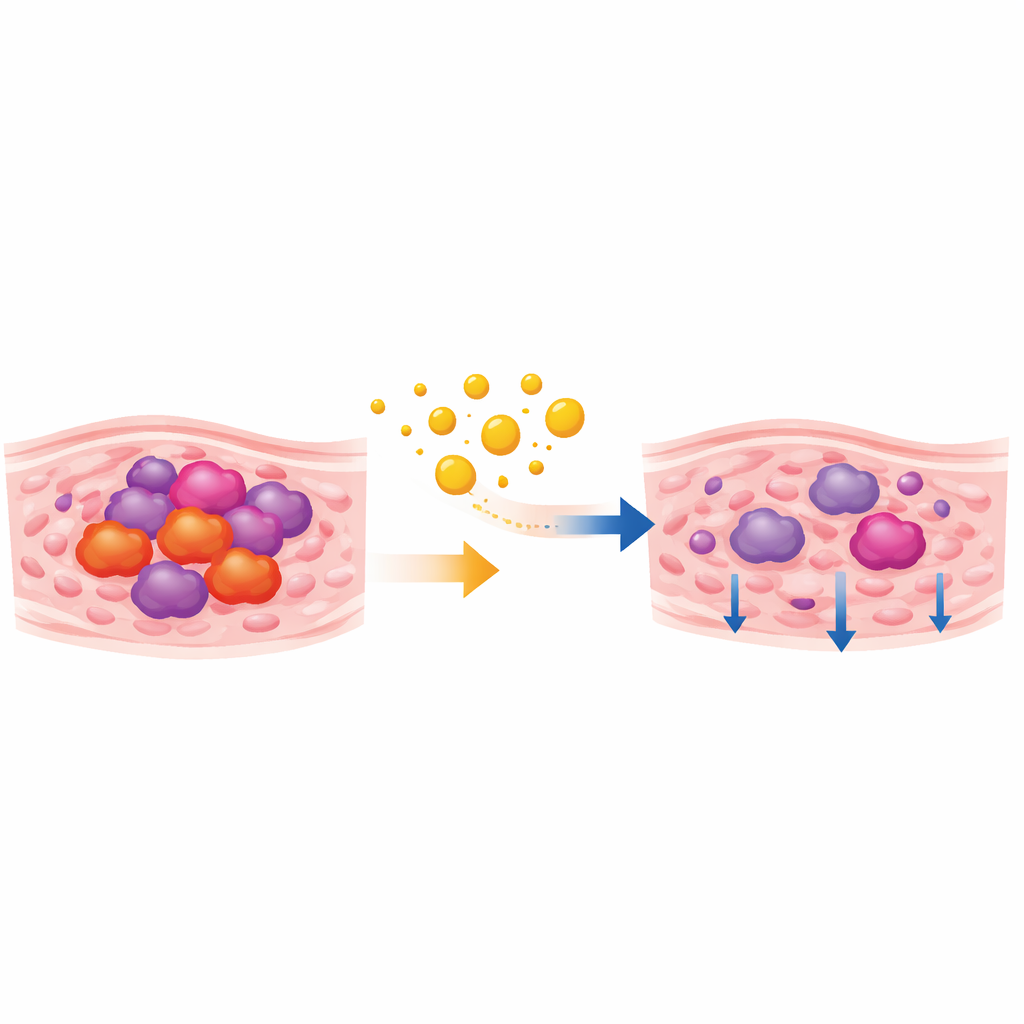
Turmeric, the bright yellow spice common in curries, contains a compound called curcumin that has long intrigued doctors and scientists. This study explores how curcumin might slow the growth of oral squamous cell carcinoma, a common and often devastating form of mouth cancer, by quietly cutting off the cancer cells’ favorite fuel source: sugar. Understanding this hidden energy battle could help turn an everyday kitchen ingredient into a useful helper alongside standard cancer treatments.
Cancer’s Sweet Tooth
Cancer cells do not use energy the way healthy cells do. Even when plenty of oxygen is available, many tumors rely heavily on a fast but wasteful route for breaking down sugar, often called the Warburg effect. In this mode, cancer cells soak up large amounts of glucose and quickly convert it to lactate. This strategy gives them raw materials to grow, invade nearby tissues, and shape a supportive neighborhood around the tumor. Oral squamous cell carcinoma, which makes up about 90% of oral cancers, strongly depends on this sugar-hungry metabolism, making energy use an attractive target for new therapies.
What Curcumin Does to Cancer Cells
The researchers grew two human mouth cancer cell lines and normal oral cells in the lab, then treated them with different doses of curcumin. They measured how well the cells grew, formed colonies, and moved to close an artificial “wound” in a dish. In both cancer cell lines, curcumin sharply reduced growth, colony formation, and migration in a dose-dependent way, while low to moderate doses had little effect on normal oral cells. When the team checked how much glucose the cells consumed and how much lactate they released, they found that curcumin consistently lowered both measures in cancer cells but left normal cells largely unchanged. This pattern suggests that curcumin selectively slows the sugar-burning engine that cancer cells rely upon.
A Molecular Switch at the Heart of the Story
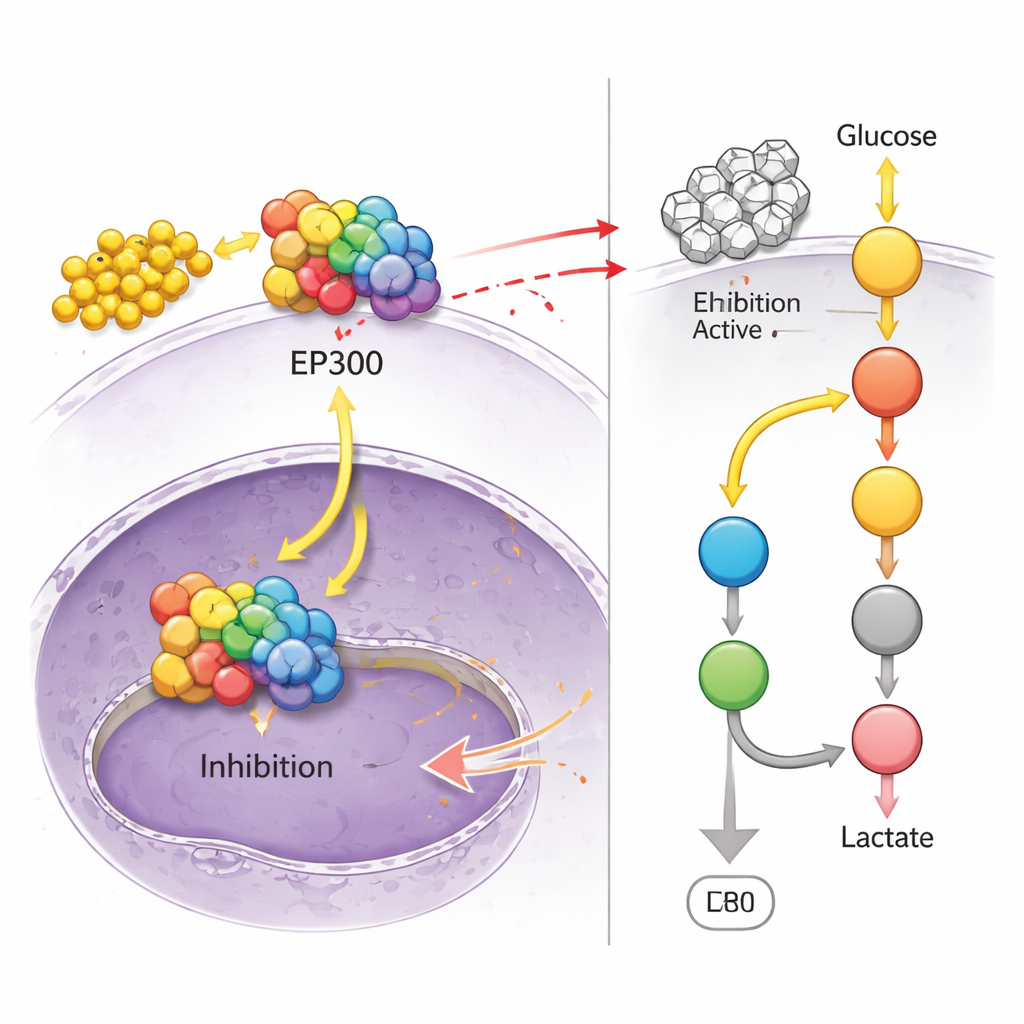
To understand how curcumin tamps down this energy use, the scientists focused on a protein called EP300. EP300 helps control which genes are turned on or off by adding small chemical tags to other proteins, including those that manage cell metabolism. Earlier work had shown that EP300 is unusually active in oral cancers and is linked to higher glucose use and more aggressive behavior. In this study, curcumin treatment lowered EP300 levels in cancer cells. When the team artificially boosted EP300, cancer cells consumed more glucose and made more lactate—and, importantly, this extra EP300 partially cancelled out curcumin’s ability to slow glycolysis. These experiments point to EP300 as a key molecular switch connecting curcumin to cancer cell energy control.
Shutting Down the Sugar Pipeline
The researchers then examined several major proteins that move and process glucose inside cells: GLUT1, which brings sugar into the cell, and PKM2 and LDHA, which help convert it into lactate. Using gene expression tests and protein measurements, they found that EP300 raises the levels of all three of these glycolysis helpers. Curcumin pushed their levels down, but when EP300 was forced back up, this drop was partly reversed. Network analyses of protein connections supported the idea that EP300 sits near the center of a web of sugar-handling enzymes. Altogether, the data suggest that curcumin interferes with EP300, and EP300 in turn controls a small team of enzymes that keep the glycolytic pipeline flowing in cancer cells.
What This Could Mean for Patients
In simple terms, this study shows that curcumin can weaken mouth cancer cells by turning down a master control protein, EP300, which normally boosts their ability to burn sugar quickly. With EP300 dialed back, cancer cells lose some of their energy advantage: they grow more slowly, spread less readily, and produce less of the lactic acid that helps them thrive. While these findings come from cell cultures in the lab, and more work in animals and humans is needed, they offer a clear roadmap: combining curcumin or related compounds with other treatments that target tumor metabolism might one day provide gentler, more precise options for people facing oral cancer.
Citation: Tan, W., Zhang, C., Han, L. et al. Curcumin inhibits glycolysis via EP300 in oral squamous cell carcinoma. Sci Rep 16, 11702 (2026). https://doi.org/10.1038/s41598-026-44496-3
Keywords: oral cancer, curcumin, cancer metabolism, EP300, glycolysis inhibition