Clear Sky Science · en
Knowledge, attitudes, and practices regarding transfusion-related acute lung injury among healthcare providers in Jiangsu: a multicenter cross-sectional study
Why this matters for people receiving transfusions
Blood transfusions save countless lives, but they are not risk‑free. One of the most serious complications is a sudden form of lung injury that can strike within hours of a transfusion and, in severe cases, be fatal. This study from Jiangsu Province in China asks a simple but crucial question: how ready are front‑line doctors and nurses to recognize and prevent this emergency, and what helps turn what they know into what they actually do at the bedside?
A dangerous lung reaction to blood transfusion
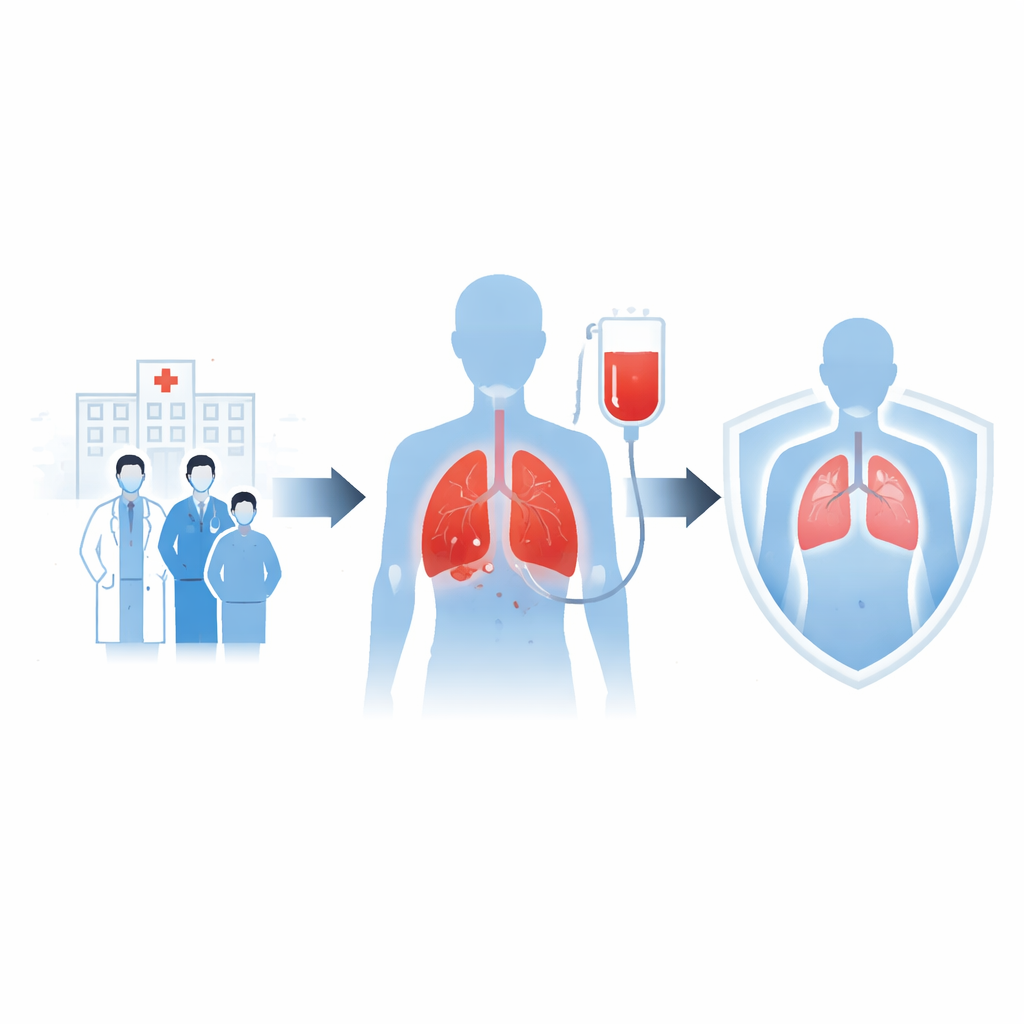
Transfusion‑related acute lung injury, or TRALI, is a sudden breathing crisis that can develop within six hours of receiving blood products. Patients may rapidly become short of breath as fluid leaks into the lungs, sometimes progressing to full‑blown respiratory failure. Although relatively rare—estimated between one in 5,000 and one in 25,000 units of blood—TRALI is one of the leading causes of transfusion‑related deaths worldwide, especially among very sick or surgical patients. Because there is no specific drug that reliably treats it, the best defense is careful prevention, quick recognition, and strong supportive care. That puts a heavy responsibility on the clinicians who order, give, and monitor transfusions every day.
Taking the pulse of front‑line staff
To understand how well prepared healthcare providers are, researchers surveyed 746 doctors and nurses from 25 hospitals across 13 cities in Jiangsu. Most respondents were women working in large tertiary hospitals, and about two‑thirds were nurses. The team used a structured questionnaire that measured three things: how much staff knew about TRALI, how seriously they viewed it and their own role (their attitudes), and how often they reported taking key preventive and management steps in practice. Scores suggested generally good awareness and reasonably strong habits, but with important blind spots. Only about one in three had received any formal TRALI training in the previous three years, and many were uncertain about the finer points of treatment.
What staff know, feel, and actually do
On paper, most participants could correctly describe TRALI’s warning signs, diagnostic clues, and high‑risk groups, and they recognized that careful monitoring during transfusion is essential. Yet knowledge was thinner when it came to newer or more debated treatments, such as specific anti‑inflammatory medicines. Attitudes were largely positive: nearly all agreed TRALI deserves serious attention, that hospitals should raise its profile, and that better skills would help them manage it. At the same time, many were not fully satisfied with their own competence or confident explaining TRALI to patients. In daily work, routine steps like checking vital signs and following protocols were performed frequently, but more proactive behaviors—such as public education, helping draft hospital guidelines, and regularly consulting experts or reference materials—were reported less often, suggesting that some of the most protective habits are still not firmly embedded.
Attitude as the missing link
Using statistical models, the researchers explored how knowledge, attitude, and practice relate to one another. They found that more knowledge was linked to more positive attitudes, and both were linked to better reported behaviors. However, attitude emerged as the strongest driver of what staff actually did. In other words, simply knowing about TRALI was not enough; that knowledge had to be paired with a belief that the issue really mattered and with confidence in one’s own skills. The study also uncovered two broad subgroups of staff. The larger group combined higher scores in knowledge, attitude, and practice, while a smaller group lagged behind on all three. Those in the lower‑scoring group were more likely to have only an undergraduate degree and, crucially, to have missed out on recent TRALI‑focused training.
What better training could change
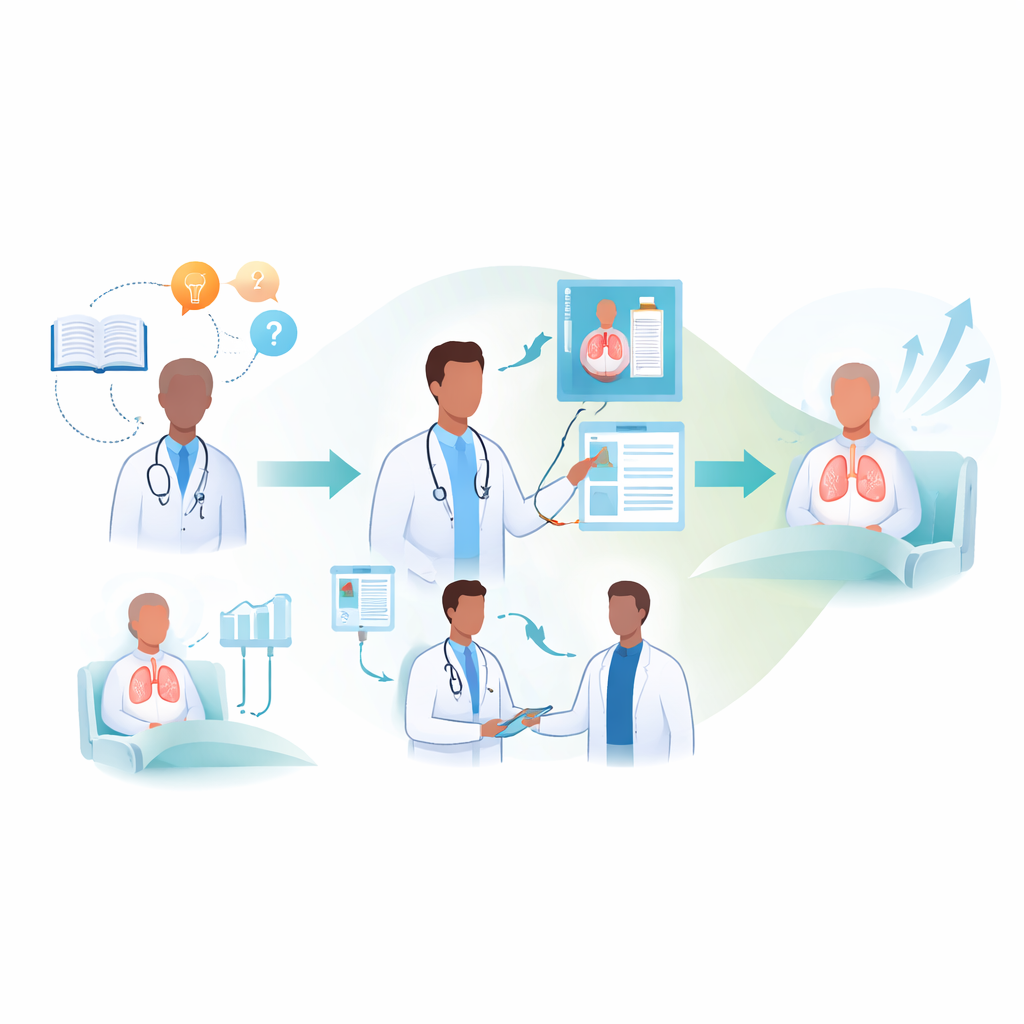
The patterns in this survey point to clear opportunities. Recent TRALI training was by far the strongest predictor of belonging to the higher‑performing group, suggesting that well‑designed education can meaningfully shift both mindset and behavior. The authors argue that hospitals should not assume that years on the job or working in a big institution automatically prepare staff for rare but deadly reactions like TRALI. Instead, they recommend regular, case‑based and simulation‑style courses that walk teams through realistic transfusion emergencies, clarify which treatments are firmly supported by evidence and which are still experimental, and build communication skills for talking with patients and families about risks.
What this means for patients and hospitals
For patients, the study’s bottom line is cautiously reassuring: in this large sample, most healthcare providers knew a great deal about TRALI and reported many good habits for preventing and managing it. Still, important gaps remained, especially around detailed treatment decisions and the more proactive behaviors that can stop problems before they start. The work highlights that attitudes—how much clinicians value this issue and how confident they feel—are the key bridge between knowledge and action. Strengthening that bridge through targeted, recurring training and clear hospital‑wide protocols could make transfusion care safer, ensuring that life‑saving blood products carry as little added risk as possible.
Citation: Qiang, X., Xu, H., Shao, J. et al. Knowledge, attitudes, and practices regarding transfusion-related acute lung injury among healthcare providers in Jiangsu: a multicenter cross-sectional study. Sci Rep 16, 13844 (2026). https://doi.org/10.1038/s41598-026-44349-z
Keywords: blood transfusion safety, lung injury, healthcare provider training, patient blood management, hospital quality improvement