Clear Sky Science · en
The effects of perceived labor rights protection on job performance in platform flexible employees: The role of career resilience and person–environment fit
Why work on apps matters to everyone
Food delivery riders, ride-hail drivers, and parcel couriers have become part of daily life in many cities. Yet the people behind these services often lack the legal protections and security that traditional employees enjoy. This study asks a simple but important question: when these workers feel their basic rights are protected, does their work actually improve, and why does that happen? The answers matter not only for millions of workers, but also for customers, platforms, and policymakers who depend on the growing app-based economy. 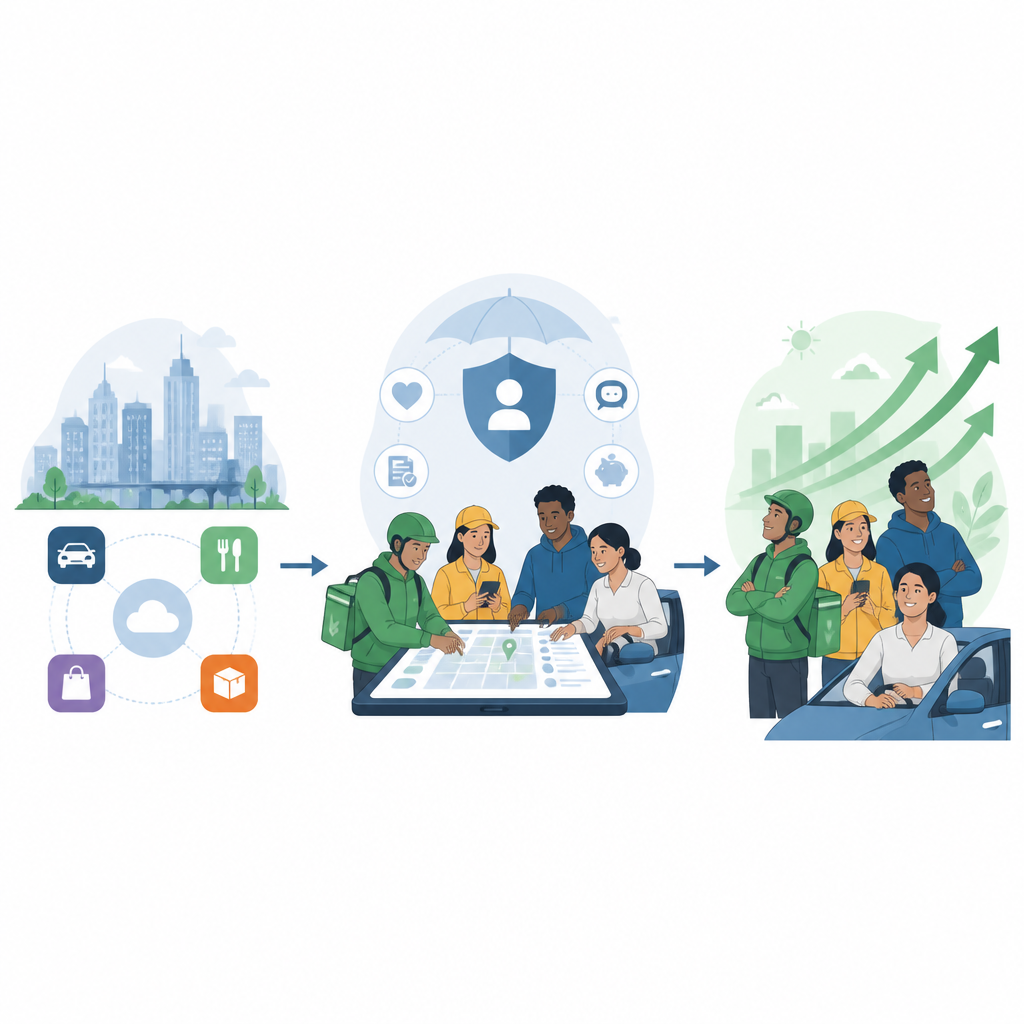
How rights protection shapes day-to-day work
The authors focus on "platform flexible employees" in China, such as delivery riders and ride-hailing drivers who work through major apps. Instead of looking only at laws on paper, they study how strongly workers feel their rights are protected in real life, including fair pay, social insurance, clear rules, and safety measures. They link these perceptions to job performance, measured by supervisors using platform records, to see whether feeling protected is tied to doing a better job.
Bouncing back from setbacks on the job
A key idea in the study is career resilience, which is the ability to keep learning, adapting, and staying motivated when work is stressful or uncertain. For app-based workers, this might mean coping with harsh customer ratings, sudden income drops, or strict delivery times without giving up. The researchers draw on a well-known motivation framework that says people thrive when they feel in control of their choices, capable in their tasks, and connected to others. When platforms and policies support these needs, workers are more likely to develop the inner strength needed to handle the ups and downs of gig work.
Finding the right fit between people and platforms
The study also examines person–environment fit, which is about how well workers match their work setting in terms of skills, values, and social ties. If a rider’s abilities suit the job, they believe in the platform’s way of doing things, and they feel supported by co-workers, then positive signals about rights protection have more impact. In such cases, clear rules, fair treatment, and visible safety measures do more than just reduce risk; they actively fuel motivation and help workers turn pressure into productive effort. When the fit is poor, the same rules and protections may feel like empty promises or even extra control, weakening their helpful effects.
What the surveys revealed
The authors surveyed over 500 platform workers across several major Chinese cities, and asked their managers to rate job performance later. Statistical tests showed that when workers felt their labor rights were well protected, they were more resilient in their careers and received higher performance ratings. Career resilience acted as a bridge in this relationship: stronger perceptions of protection fed into higher resilience, which in turn was linked to better work results. Person–environment fit amplified this pathway, making the link between rights protection, resilience, and performance noticeably stronger for workers who felt they were in the right job and culture. 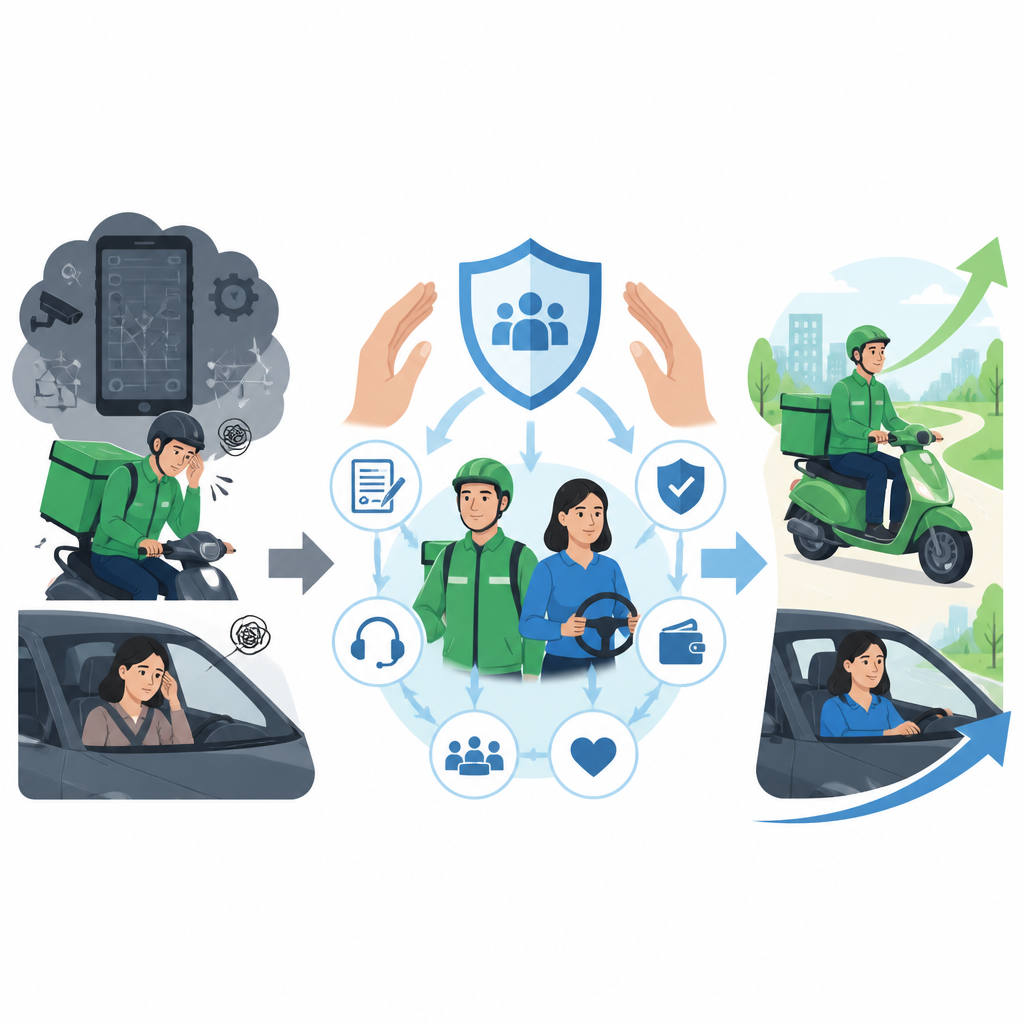
What this means for the future of app-based work
For a general reader, the takeaway is clear: treating platform workers fairly is not just about avoiding harm; it also supports better service for everyone. When app-based workers feel their rights are protected, they become more confident, adaptable, and committed, and their job performance improves, especially when their skills and values match the platform. The study suggests that platforms and policymakers who invest in real, visible protection for workers can help build a more sustainable digital economy that balances flexibility with human well-being.
Citation: Xu, R., Hou, D., Sun, K. et al. The effects of perceived labor rights protection on job performance in platform flexible employees: The role of career resilience and person–environment fit. Sci Rep 16, 15266 (2026). https://doi.org/10.1038/s41598-026-44150-y
Keywords: gig workers, labor rights, career resilience, platform economy, job performance