Clear Sky Science · en
Digital capability and organisational resilience as drivers of project performance: a structural equation modelling approach
Why digital strength and steady teams matter
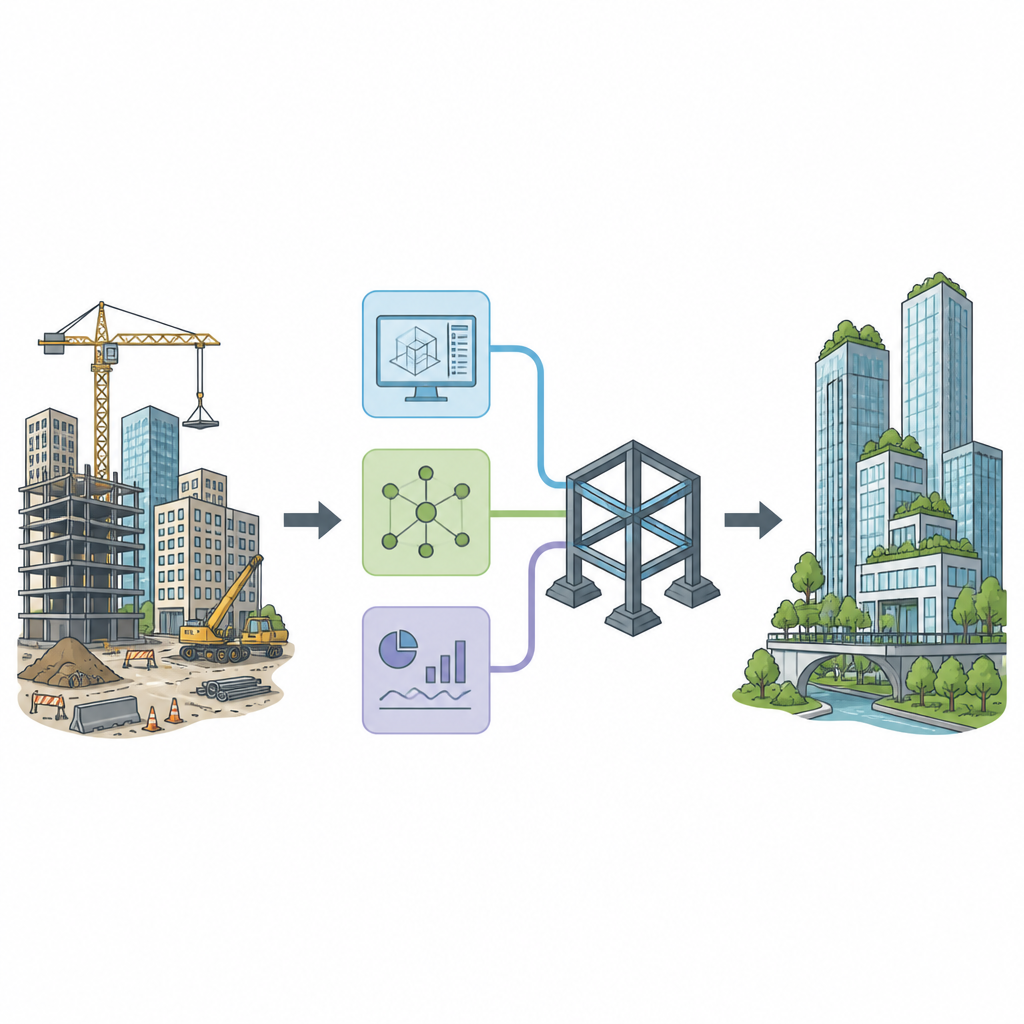
Across the world, builders and engineers are pouring money into new digital tools, from smart sensors to data platforms. Yet many firms discover a puzzle: even as their spending on technology rises, their projects do not always finish faster, cheaper, or with fewer problems. This study looks at that puzzle in China’s construction and engineering sector and asks a simple question that matters to managers, workers, and taxpayers alike: under what conditions do digital tools actually help projects succeed, and how can organizations prepare themselves to get the most from these tools?
Three kinds of digital muscle
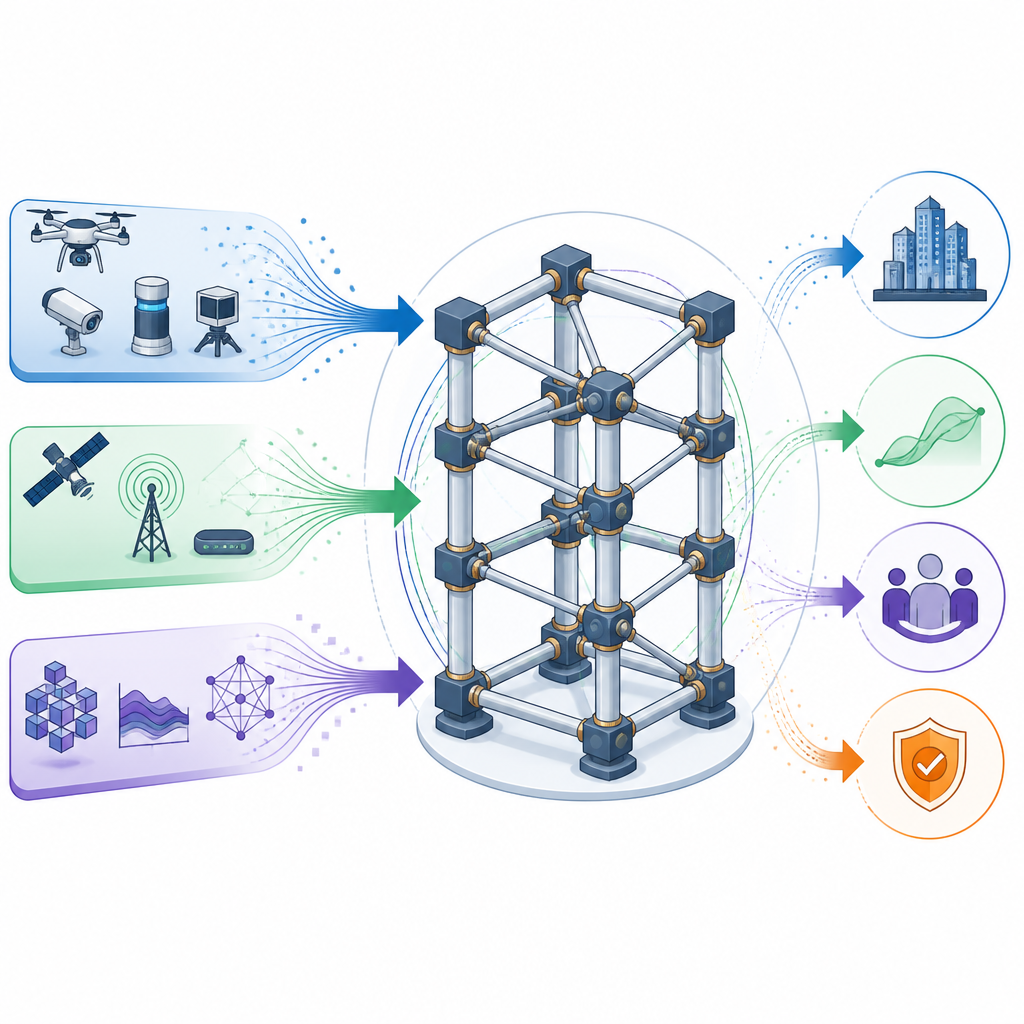
The authors begin by breaking digital strength into three easy to grasp parts. First is intelligence, which means using smart devices and systems that can sense conditions on site and respond in real time, such as drones that spot defects or digital twins that test “what if” scenarios. Second is connectivity, the digital links that let owners, designers, contractors, and suppliers share information quickly and accurately. Third is analytical capability, the skill and systems needed to turn piles of project data into clear warnings, forecasts, and insights. Together, these three dimensions describe not just owning gadgets, but using them in a coordinated way.
Bouncing back when things go wrong
Digital tools alone are not enough. The study argues that organizations also need resilience, the ability to cope with shocks and surprises without losing control of cost, schedule, or quality. Here too, resilience is unpacked into three pieces. Robustness is the strength to keep operating during a crisis, backed by spare resources and solid routines. Agility is the speed and flexibility to solve problems and adjust plans when conditions change. Integrity is the shared purpose and teamwork that keep people aligned under pressure. These qualities shape whether digital information is actually used to act early and recover quickly.
What the surveys revealed
To test their ideas, the researchers surveyed 422 staff members from engineering companies in China’s Liaoning Province, most of them managers or key technical experts with hands-on digital experience. Using detailed questionnaires and statistical models, they measured the levels of intelligence, connectivity, analytics, resilience, and project results such as meeting deadlines, budgets, quality targets, and client satisfaction. All three digital dimensions were linked to better project performance, and all three were linked to stronger resilience. Among them, connectivity stood out: companies that were better at digital communication and data sharing not only ran more resilient organizations but also delivered stronger project results directly.
How resilience bridges tech and outcomes
The analysis showed that resilience acts as a bridge between digital tools and project results. In other words, part of the benefit of smart devices, strong networks, and data analytics flows through how they support robustness, agility, and integrity. For example, timely data can help teams spot risk early, while tight digital links across departments and companies make it easier to coordinate workarounds when supplies are delayed or designs change. The study found that connectivity again played the largest role in this chain, suggesting that linking people and organizations may be even more important than any single technology.
What this means for real projects
For leaders trying to turn digital investment into real-world gains, the lesson is clear. Buying advanced tools will not automatically fix late or over-budget projects. Digital efforts have the greatest impact when they strengthen day-to-day teamwork and build an organization that can absorb shocks, adapt quickly, and stay united under stress. In practical terms, that means giving priority to technologies and practices that improve information flow and cooperation, while also training people, setting up backup resources, and clarifying roles. By pairing digital strength with resilient ways of working, engineering firms can improve the odds that their projects finish on time, on budget, and to the satisfaction of everyone involved.
Citation: Wang, Z., Li, D. & Huo, J. Digital capability and organisational resilience as drivers of project performance: a structural equation modelling approach. Sci Rep 16, 15306 (2026). https://doi.org/10.1038/s41598-026-44121-3
Keywords: digital capability, organisational resilience, project performance, construction management, engineering digitalisation