Clear Sky Science · en
Awareness and knowledge of obstetricians about prenatal findings of inherited metabolic disorders
Why this matters for expectant families
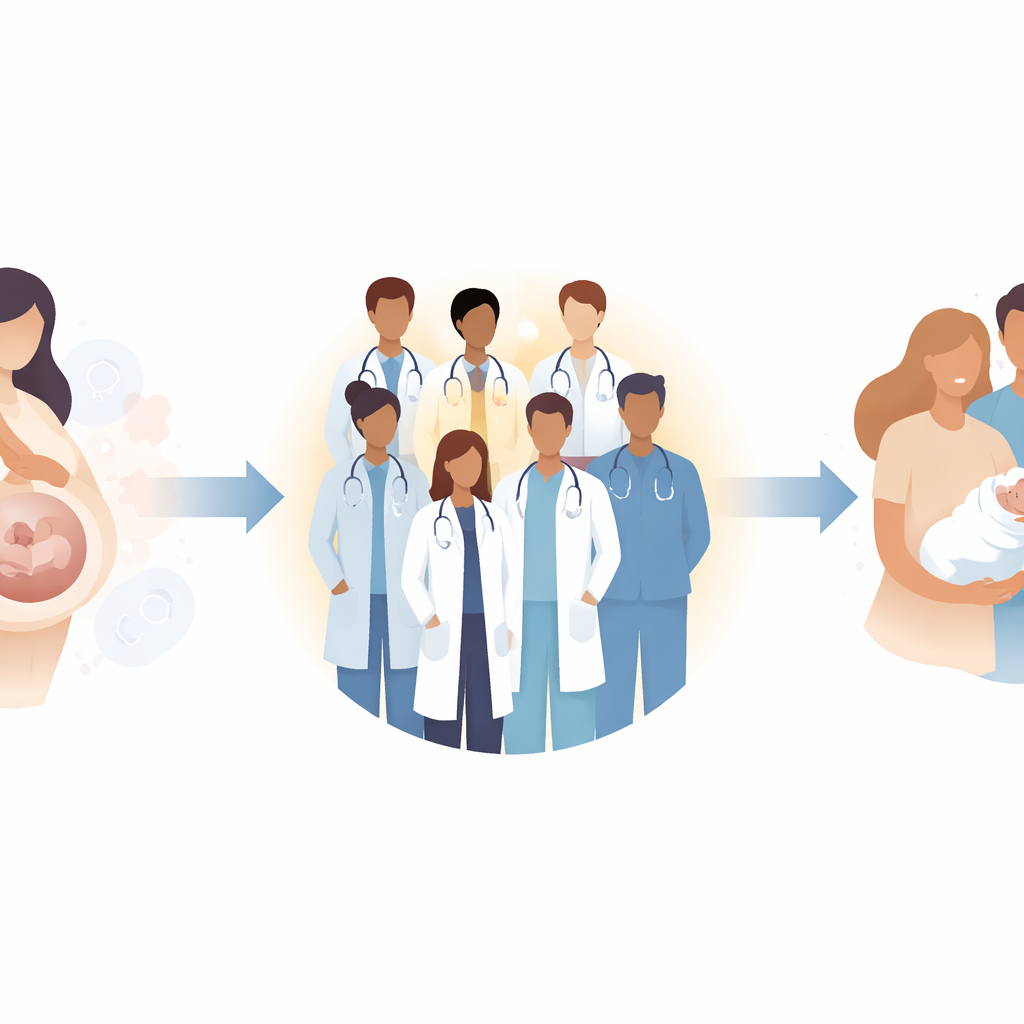
When a baby is on the way, parents and doctors focus on spotting any early warning signs of health problems. Some of the most complex conditions, called inherited metabolic disorders, affect how the body processes nutrients and can already trouble babies before birth. This study asked a simple but important question: how prepared are obstetric doctors to recognize these hidden conditions during pregnancy, when early action can make a lifesaving difference?
Hidden illnesses that start before birth
Inherited metabolic disorders are lifelong conditions caused by changes in genes that disrupt the body’s chemical “machinery.” Instead of breaking down or building up substances smoothly, the body can accumulate toxic by-products or lack vital components. Modern tests now allow some of these disorders to be detected during pregnancy, using imaging and laboratory analysis of samples from the womb. Catching them early can guide intensive newborn care, prevent severe complications, and help families understand their risks in future pregnancies.
Surveying the doctors on the front line
The researchers created an online questionnaire and invited obstetrics and perinatology professionals at a large tertiary medical center in Türkiye, as well as colleagues in their wider professional networks, to take part. A total of 270 clinicians responded, most of them relatively early in their careers and working in high-level hospitals. The survey asked about their training, experience with patients who have inherited metabolic disorders, and how confident they felt in spotting warning signs before birth. It also explored how they would manage pregnancies when such a disorder is suspected in the fetus or present in the mother.
What doctors know—and what they miss
The study found that overall awareness of prenatal signs of these disorders was low. Fewer than one in ten participants felt that their knowledge of diagnosis and follow-up before birth was clearly adequate, and fewer than a third believed they could recognize a fetus likely affected by such a condition. Many had never closely followed a pregnancy complicated by an inherited metabolic disorder. When asked about specific ultrasound findings—such as growth restriction, joint contractures, or unusual bone and brain appearances—doctors often recognized that something was wrong but tended to think first of structural birth defects or general genetic syndromes rather than a metabolic cause. Perinatologists, who specialize in high-risk pregnancies, and more experienced doctors were better at linking certain patterns, such as poor growth or joint stiffness, to possible metabolic disease, and were more likely to feel confident in their knowledge.
The role of training and specialization
Education clearly made a difference. Doctors who had received theoretical teaching about inherited metabolic disorders were more likely to believe that these diseases can show up during pregnancy, and to connect facial differences and other subtle features on ultrasound to a possible metabolic problem. Perinatologists not only reported seeing more affected fetuses but were also more likely to provide structured follow-up for pregnant women who either had a previous child with such a condition, had ultrasound findings that raised suspicion, or had the disorder themselves. At the same time, they were better at recognizing which common birth defects are usually unrelated to metabolic disease, suggesting that deeper training helps refine clinical judgment rather than simply expanding the list of suspected conditions.
Making prenatal care smarter and safer
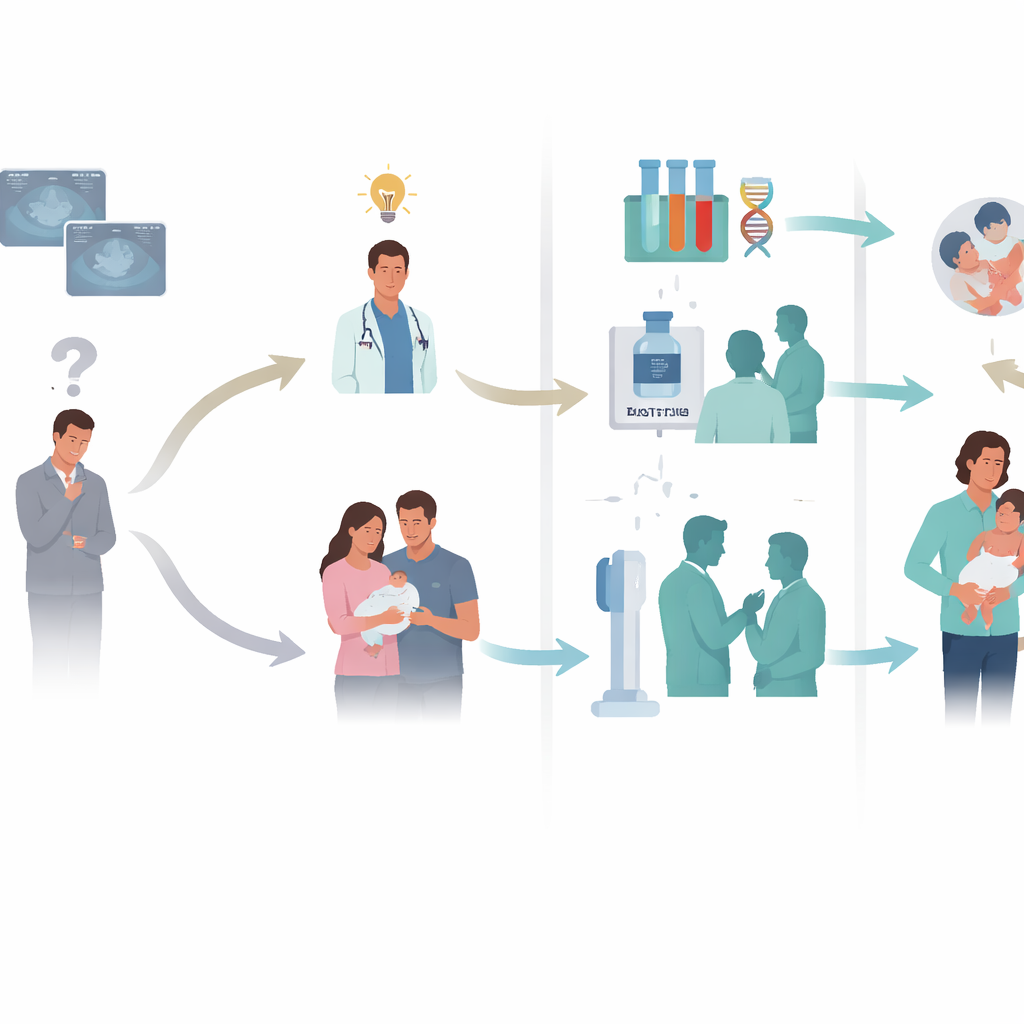
The authors conclude that many obstetric healthcare professionals are not yet fully equipped to recognize prenatal clues to inherited metabolic disorders, even as laboratory and genetic technologies rapidly advance. Because newborns with these conditions can deteriorate quickly, missing warning signs during pregnancy may delay crucial care after delivery. The study argues that targeted teaching about metabolic diseases should be built into obstetrics training, and that clear referral pathways to specialists in genetics and metabolism are needed. For families, this means that better-informed maternity teams could offer earlier explanations, more accurate counseling, and more carefully planned births when these rare but serious conditions are suspected.
Citation: Özsaydı Aktaşoğlu, E., Kumcu, E., Has Özhan, S. et al. Awareness and knowledge of obstetricians about prenatal findings of inherited metabolic disorders. Sci Rep 16, 13421 (2026). https://doi.org/10.1038/s41598-026-44096-1
Keywords: inherited metabolic disorders, prenatal diagnosis, obstetricians, perinatology, fetal ultrasound