Clear Sky Science · en
HIV heart inflammation is mediated by HIV infected myeloid cells, HIV-tat secretion, and aberrant function of Connexin43-containing channels
Why HIV and Heart Health Still Matter
Modern HIV medicines have turned a once-fatal infection into a chronic, manageable condition. Yet people living with HIV continue to face roughly double the risk of heart problems, including abnormal heart rhythms and heart failure. This puzzle has worried doctors and patients alike: if the virus in the blood is well controlled, why does the heart remain vulnerable? This study digs into heart tissue itself to uncover a hidden source of trouble and maps out a chain of events that may quietly damage the heart over many years.
Hidden Viral Footprints in the Heart
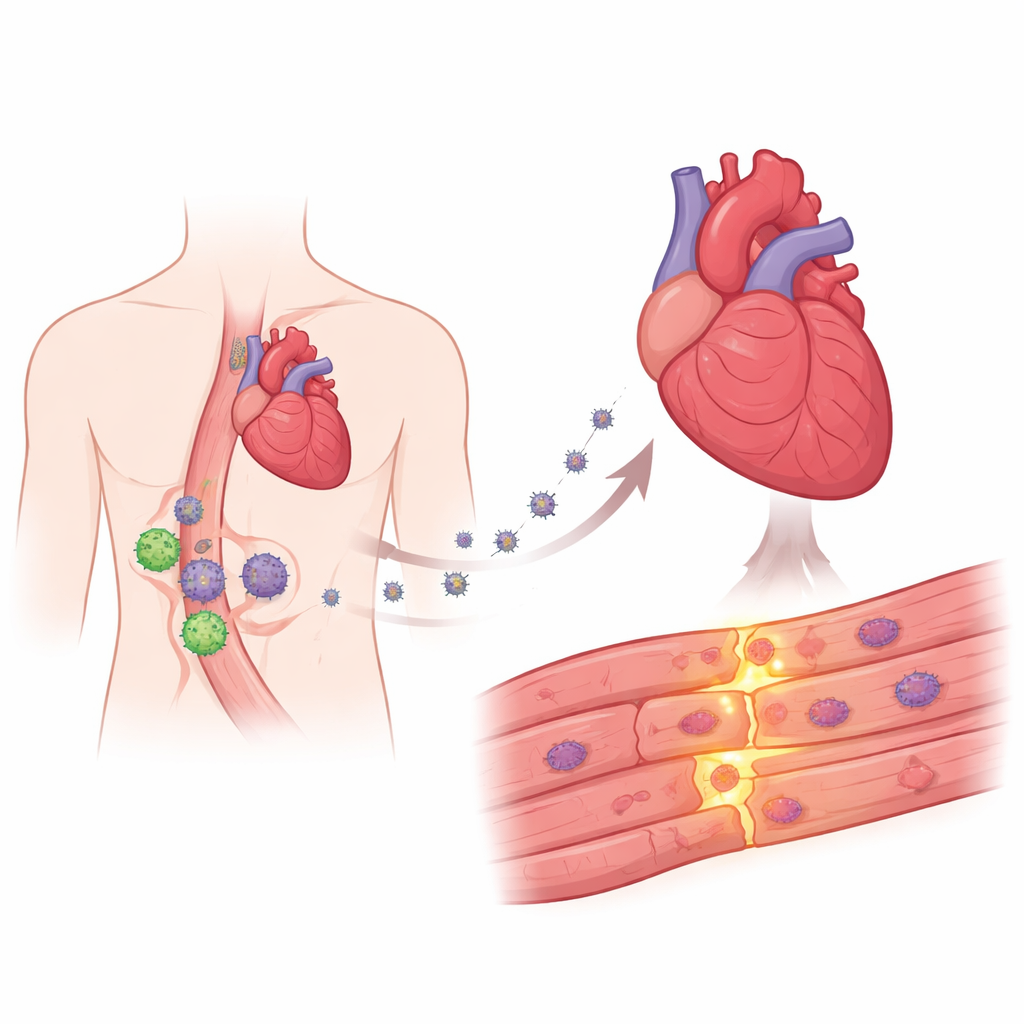
The researchers examined left-ventricle heart tissue taken at autopsy from people with and without HIV, most of whom had been on effective antiretroviral therapy. Using sensitive imaging methods, they searched directly for traces of the virus—its DNA, RNA, and key proteins—inside heart cells. They found that even when HIV was undetectable in the blood, small clusters of cells in the heart still carried viral genetic material and made low levels of viral proteins. These pockets of infection were rare in terms of total cell numbers, but they were consistently present, suggesting that the heart can serve as a long-lived reservoir for HIV.
Immune Cells as Long-Term Trespassers
Next, the team asked which cells inside the heart were actually harboring HIV. By combining viral detection with markers for specific cell types, they showed that most infected cells were myeloid cells—tissue-resident immune cells closely related to macrophages. A few heart muscle cells also carried viral DNA, but they were a minority. Importantly, areas containing infected immune cells showed clear changes in the pattern of a communication protein called Connexin43, which forms tiny channels between heart muscle cells. In healthy tissue, this protein sits neatly at the ends of the cells where the heartbeat’s electrical signal passes from one cell to the next. In regions with HIV-infected cells, Connexin43 was more abundant and mispositioned along the sides of the cells, a pattern associated with electrical instability and inflammation.
How a Viral Protein Disrupts Heart Cell Talk
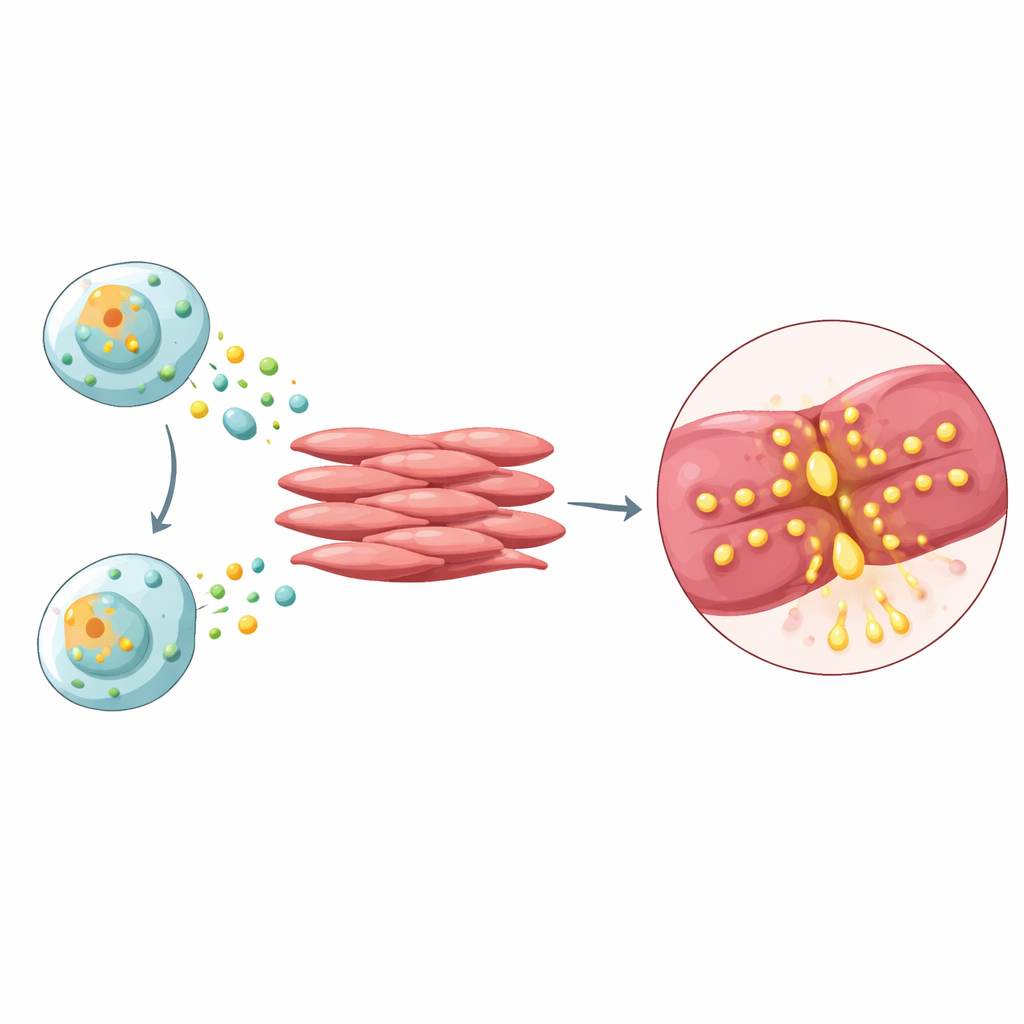
To pinpoint what was driving these changes, the scientists turned to lab-grown human heart cells made from stem cells. They focused on Tat, a viral protein that HIV-infected cells can secrete even when viral replication is otherwise low. When heart cells were exposed to modest, physiologically realistic amounts of Tat, they pulled the protein inside, particularly into the nucleus where genes are controlled. Tat then boosted the amount of Connexin43 both at the RNA and protein level, and the team showed that Tat physically binds to the Connexin43 gene’s control region. Functionally, this meant that gap junction channels between heart cells became more active, allowing small dyes to spread farther from one cell to its neighbors—evidence of heightened electrical and chemical coupling.
Leaky Channels and Local Inflammation
Connexin43 does more than form orderly bridges between cells; it can also assemble "half-channels" at the surface of individual cells that open directly to the outside. When the researchers exposed heart cells to Tat, these half-channels opened more often, allowing fluorescent dyes to pour into cells from the medium. Blocking Connexin43 or its channels sharply reduced this effect. Open half-channels also let important signaling molecules escape from cells. The team found that Tat-treated heart cells released more ATP and prostaglandin E2—both well-known triggers of inflammation—as well as higher levels of several inflammatory cytokines. Again, blocking Connexin43 channels largely shut down this release, tying the inflammatory signal to these altered cell-to-cell communication pathways.
What This Means for People Living With HIV
Taken together, the findings sketch a plausible story for why heart risk remains elevated despite good control of HIV in the bloodstream. Long-lived immune cells in the heart can carry HIV for years and quietly release Tat. This protein rewires how heart cells communicate by boosting and misplacing Connexin43, making some channels overactive and leaky. The result is a localized "hot spot" of disturbed electrical signaling and simmering inflammation, conditions that can set the stage for rhythm disturbances and long-term weakening of the heart muscle. While this work does not yet translate into a specific treatment, it highlights two promising strategies: better ways to eliminate hidden HIV reservoirs in tissues, and therapies that selectively calm or correct Connexin43 channels in the hearts of people living with HIV.
Citation: Ajasin, D., Arredondo-Anez, S., Gutierrez, J.A. et al. HIV heart inflammation is mediated by HIV infected myeloid cells, HIV-tat secretion, and aberrant function of Connexin43-containing channels. Sci Rep 16, 13359 (2026). https://doi.org/10.1038/s41598-026-43625-2
Keywords: HIV-associated heart disease, cardiac inflammation, Connexin43, HIV Tat protein, arrhythmia risk