Clear Sky Science · en
Cancer pain awareness and communication practices among physicians in China: a nationwide mixed-methods study
Why this matters to patients and families
Cancer pain is not just a physical sensation; it can shape every moment of a person’s day—how they sleep, move, think, and relate to others. This study looks closely at how doctors across mainland China understand and treat cancer pain, and why many patients still suffer needlessly. By examining both numbers from a large survey and stories from in-depth interviews, the researchers reveal where care is working, where it falls short, and what needs to change so that fewer people live with uncontrolled pain.
Who the doctors are and how the study was done
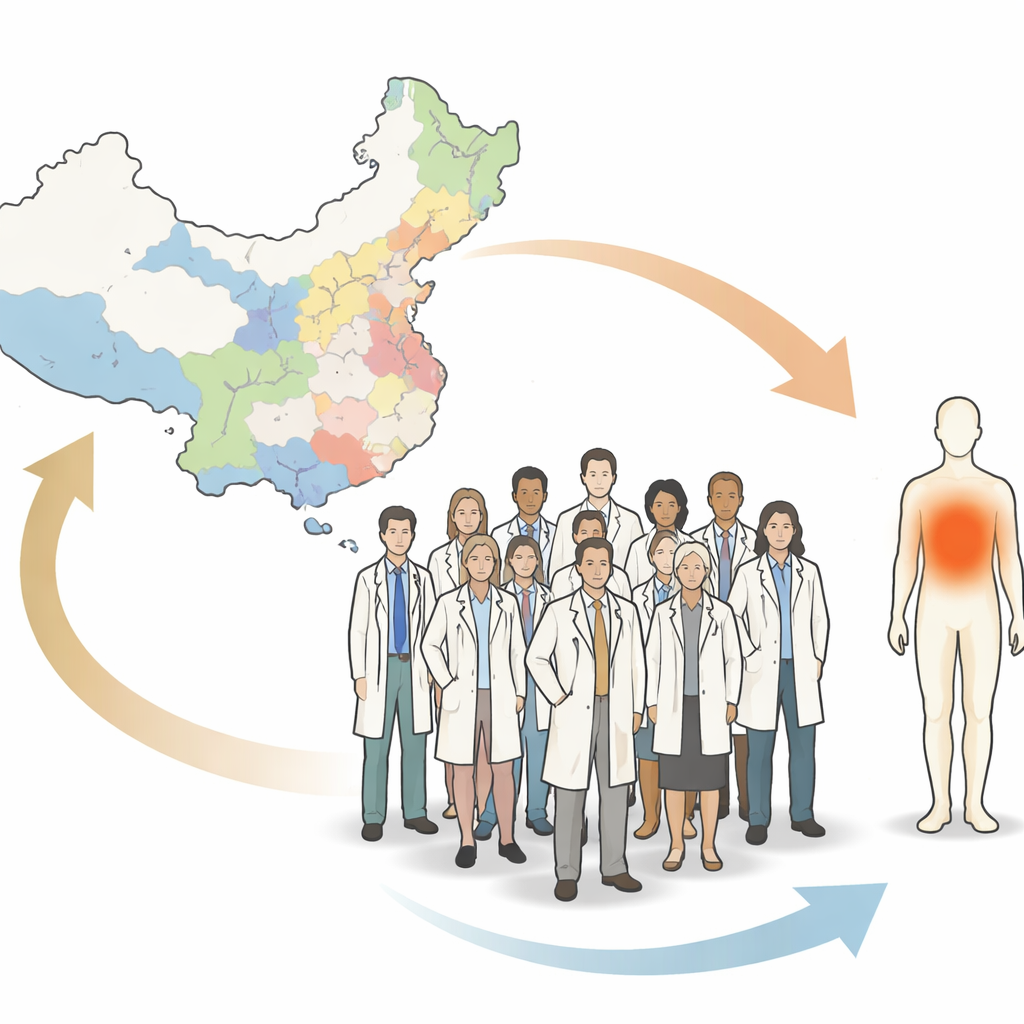
The research team carried out a nationwide mixed-methods project between 2019 and 2024, combining an online questionnaire with follow-up interviews. They collected valid responses from 2,188 physicians across 29 provinces, most of them young, early in their careers, and working in large tertiary hospitals or cancer and pain clinics. These doctors represented a range of specialties, including oncology, internal medicine, surgery, and dedicated pain departments. Alongside the survey, the researchers interviewed ten frontline clinicians in depth, using their personal experiences to shed light on the patterns seen in the national data.
How doctors think about cancer pain
Overall, doctors showed a modern view of cancer pain as more than just a physical symptom. Most recognized that pain has sensory, emotional, thinking-related, and social dimensions. Around four out of five correctly understood that cancer pain can come from the tumor itself or from its treatment. Yet this broad awareness did not always translate into everyday practice. In busy clinics, pain assessment was often delayed or rushed, and about one in twenty doctors confused cancer pain with other types of pain. Simple one-step rating tools—where patients quickly describe how bad their pain is—were favored because they fit tight schedules, while more detailed methods were rarely used.
How pain is actually assessed and treated
When it came to day-to-day care, most doctors relied chiefly on what patients told them, supplemented by their own judgment; family members’ input was used far less. Drug treatment was the main strategy, especially pills, with injections also common. Non-drug options such as electrical nerve stimulation and physical therapy were used by many but still took a back seat to medication, and traditional approaches like acupuncture were less frequent. Statistical models showed that doctors with more education, more years of work, and higher professional titles tended to have stronger awareness of how cancer pain should be managed. Those who used weak opioids appropriately, as part of stepped care, were more likely to have strong management awareness, while heavy reliance on non-opioid painkillers alone was linked with weaker awareness.
Cultural habits and system pressures
Numbers alone could not explain all the gaps, so the interviews added important context. Many physicians admitted that they depended almost entirely on drug therapy and rarely had time or support for psychological care or truly blended treatment plans. Cultural beliefs also played a major role: many patients try to endure pain silently, seeing it as a sign of strength, and both the public and some professionals remain wary of opioid medicines because of fear of addiction. Doctors described how hospital culture often prizes objective test results over a patient’s description of suffering, and some avoided talking directly about “pain” as a way of protecting themselves emotionally. These factors, along with uneven distribution of pain specialists and training between richer eastern cities and poorer western regions, help explain why practice lags behind guidelines.
What needs to change and what this means for patients
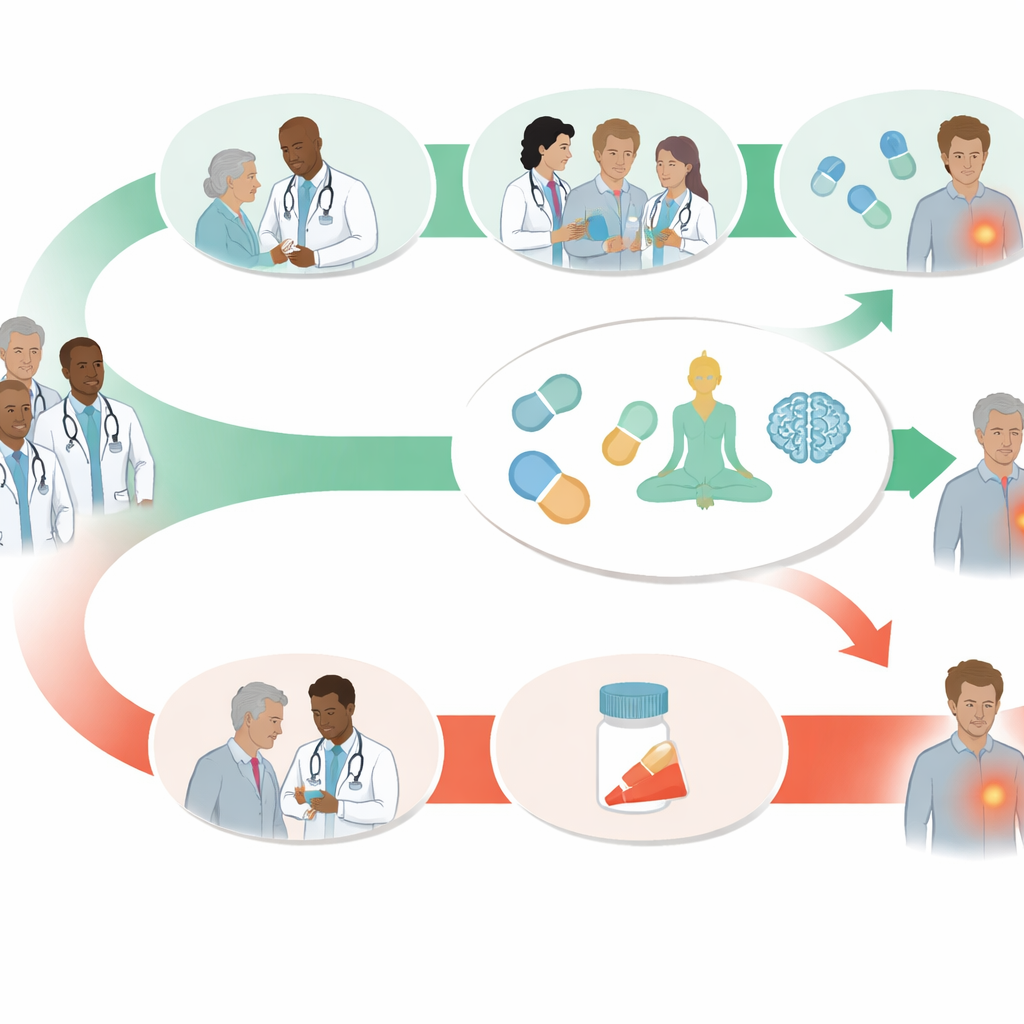
The authors conclude that while many Chinese physicians understand in principle that cancer pain is complex and deserves careful, team-based care, real-world practice still leans too heavily on quick drug fixes and brief conversations. They argue that better training in pain medicine, more consistent use of simple but standardized assessment tools, and stronger cooperation among oncologists, pain specialists, psychologists, and rehabilitation staff could turn this awareness into action. Addressing regional resource gaps and tackling cultural fears around opioids are also crucial. For patients and families, the message is hopeful but clear: with targeted education and better communication, it is possible to move closer to a system where relief from cancer pain is the rule, not the exception.
Citation: Shen, S., Liu, D., Shen, X. et al. Cancer pain awareness and communication practices among physicians in China: a nationwide mixed-methods study. Sci Rep 16, 13302 (2026). https://doi.org/10.1038/s41598-026-43569-7
Keywords: cancer pain, pain management, opioid use, physician training, multidisciplinary care