Clear Sky Science · en
Ethical concerns about embodied brain organoids shaped by foundational distinctions and perceptions of consciousness
A New Kind of Brain Raises New Questions
Imagine tiny lab-grown clusters of human brain cells wired into computer chips and placed in virtual worlds where they can learn. These so‑called “biocomputers” could one day help treat brain disorders or power new types of computing. But if these living systems become conscious in any meaningful sense, should they have rights? This study explores how people across the United States think about such brain organoid biocomputers, and how ideas about consciousness and the human–machine boundary shape their ethical judgments.
What These Mini-Brains Can Do
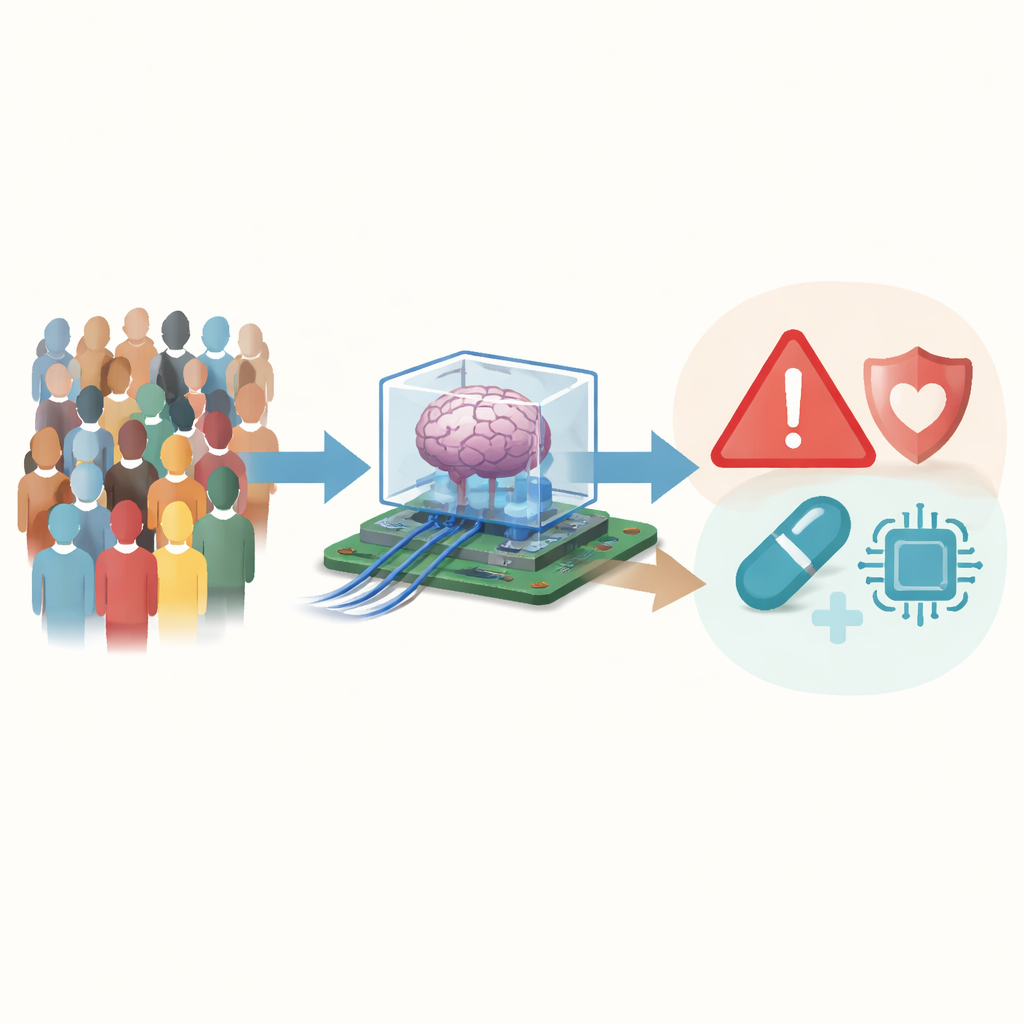
Brain organoids are three‑dimensional clusters of human neurons that mimic some basic features of a brain. When connected to electronic interfaces and virtual environments, they can learn patterns, respond to feedback, and even play simple games. Researchers hope this “organoid intelligence” will reveal how learning and memory work and support new treatments for neurological and psychiatric diseases. At the same time, because these organoids are made of human cells and can show brain‑like activity, many worry about the possibility that they might become conscious, and what that would mean morally.
How the Researchers Asked the Public
The authors first ran a small pilot survey, then a large, nationally representative survey of more than a thousand adults in the United States. Participants watched a short explanatory video and then read brief scenarios describing biocomputers used either for medical research or for information technology, such as advanced computing. The scenarios also differed in the kinds of mental abilities the biocomputers were said to display—ranging from simple perception (noticing sights and sounds) to more complex evaluation (judging things as good or bad) to awareness of other biocomputers. Respondents then rated how likely it was that biocomputers had various mental traits, how similar they were to humans, how much moral concern they deserved, and how far research on them should go.
What People Believe About Conscious Machines
People were split on whether biocomputers could be conscious: similar numbers leaned toward agreement and disagreement. They were more comfortable saying these systems could be perceptive than that they had a mind or a spirit. Crucially, the more conscious a person thought biocomputers were, the more they felt humans should care about their wellbeing and even consider some basic rights, like protection from harm. Yet that same belief in consciousness also came with higher perceived benefits and stronger support for research. In other words, seeing biocomputers as more mind‑like did not mainly translate into “hands off”; instead, many people saw it as a sign that such research could be especially valuable.
The Power of Human–Machine Boundaries
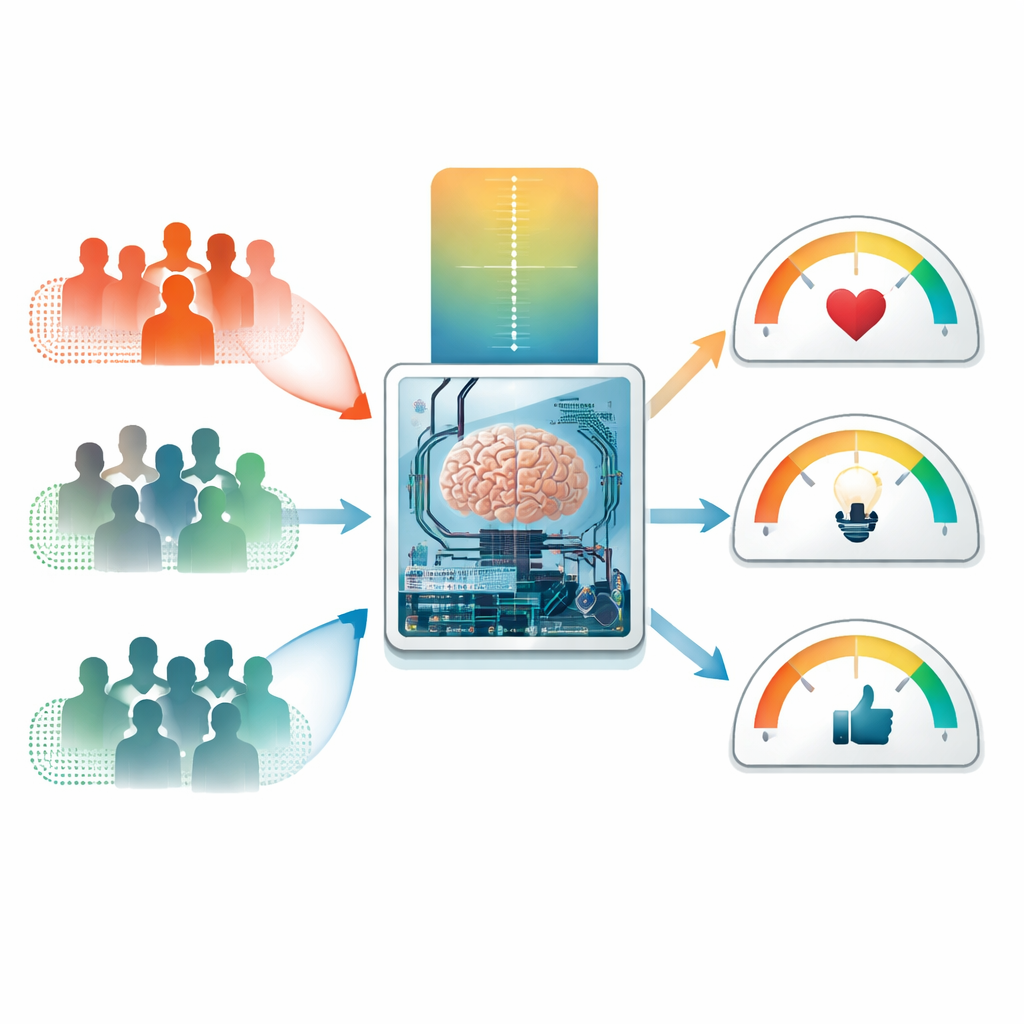
The study also probed what the authors call “foundational distinctions” — the idea that there is a deep moral or scientific gap between humans and any non‑human system. Many respondents endorsed such a gap, especially on moral grounds. Those who held strong foundational distinctions were less willing to say biocomputers might be conscious and were less supportive of research overall. However, when biocomputers were described as being used for medical purposes, even people with strong boundary beliefs judged the benefits more favorably. Another surprise was that support was especially high when biocomputers were portrayed as capable of being aware of one another, a kind of social consciousness not usually highlighted in professional bioethics debates.
Why These Views Matter
To ethicists, consciousness is usually a reason for caution: a conscious being is thought to have moral status that restricts what can be done to it. This research suggests that many members of the public think differently. For them, evidence or even the suggestion of consciousness in biocomputers often signals promise rather than prohibition, especially when tied to medical advances. At the same time, strong beliefs in a sharp human–nonhuman divide temper that enthusiasm unless clear health benefits are in sight. As brain organoid technologies advance, these findings highlight an emerging tension between expert ethical frameworks and public intuitions—and underline the need for open, honest dialogue about how society should govern research on systems that blur the line between living brains and machines.
Citation: Boyd, J.L., Jensen, E.A., Jensen, A.M. et al. Ethical concerns about embodied brain organoids shaped by foundational distinctions and perceptions of consciousness. Sci Rep 16, 10885 (2026). https://doi.org/10.1038/s41598-026-43243-y
Keywords: brain organoids, biocomputers, consciousness, public attitudes, neuroethics