Clear Sky Science · en
Extraction and characterization of grapefruit wall material (Citrus paradise) and its impact on organoleptic properties of bread
Turning Peel Waste into Better Bread
Every glass of grapefruit juice leaves behind a pile of colorful peel that usually ends up as waste. This study asks a simple but powerful question: instead of throwing those peels away, could we turn them into a natural ingredient that makes everyday foods like bread healthier, tastier, and longer lasting? By carefully extracting useful components from grapefruit peel and blending them into wheat bread, the researchers explore a way to reduce food waste while improving a staple food many people eat every day.
From Juicing Leftovers to Useful Material
Grapefruit processing generates more than half of the fruit’s weight as peel and other by-products, which can harm the environment if they are simply discarded. Yet these peels are rich in dietary fiber and plant compounds with potential health benefits. The team focused on what they call grapefruit wall material, a fiber-rich part of the peel that forms the fruit’s cell walls. They first dried and milled the peels into a fine powder and then used an alkaline extraction process to pull out this wall material. From every 100 grams of dried peel, they recovered about 7 grams of this concentrated, fiber-heavy product, turning low-value waste into a promising food ingredient. 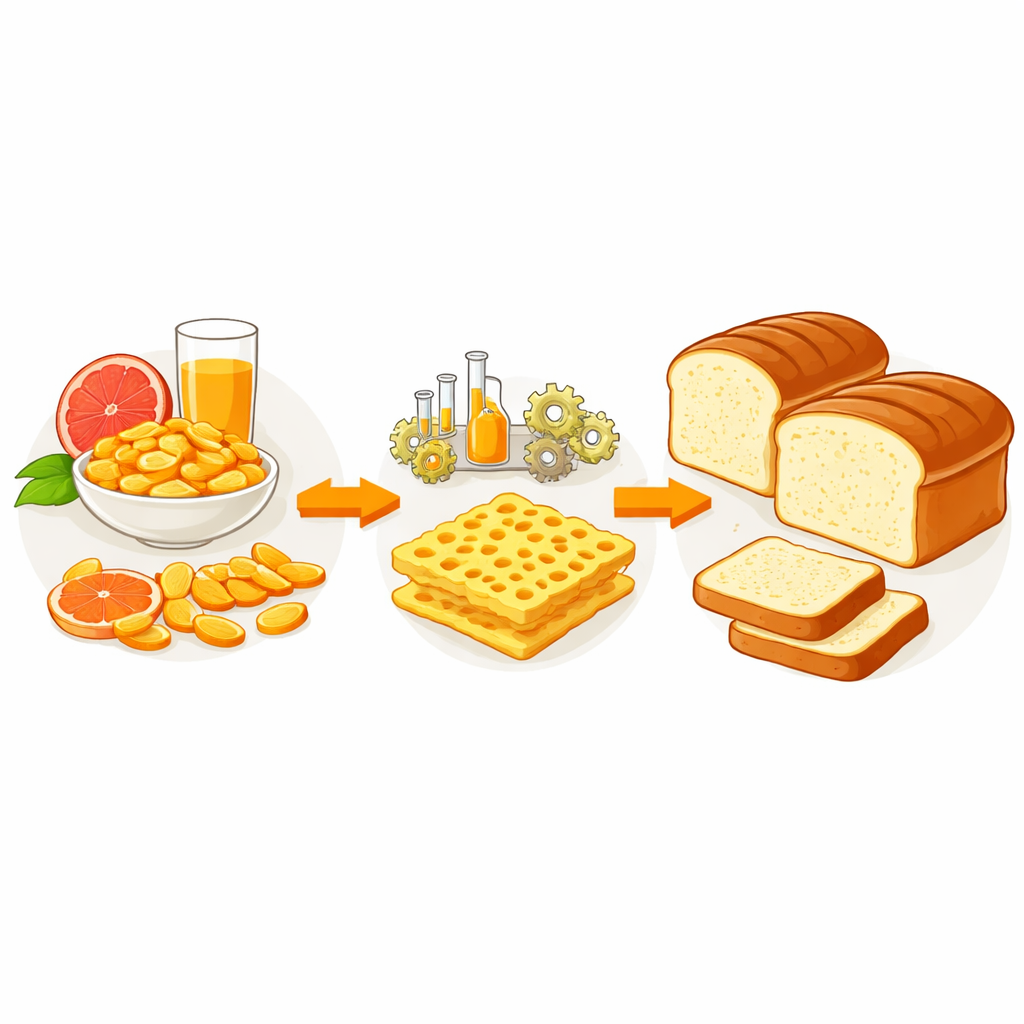
Peeking Inside the Peel Fibers
To understand what they had created, the researchers examined the grapefruit wall material using tools that can reveal both its chemistry and its structure. Infrared measurements showed signals typical of complex plant carbohydrates and the chemical bonds that link them together, confirming that the material is made of interconnected sugar chains. High-magnification electron images revealed a rough, wrinkled surface dotted with pores, holes, and tiny particles. This porous structure increases the surface area, helping the material soak up water and oil and interact with other parts of food. The team also measured the levels of plant antioxidants in the material and found notable amounts of phenolic compounds and flavonoids, both known for helping neutralize harmful free radicals in the body.
Natural Antioxidants Hidden in the Fiber
The grapefruit wall material was tested for its ability to act as an antioxidant using two common laboratory methods that track how well a substance can quench unstable molecules. The results showed that the material had strong radical-scavenging and reducing power, in line with earlier work on grapefruit by-products. These antioxidant properties come mainly from the phenolic and flavonoid compounds attached to or trapped within the fiber network. Such activity suggests the material could help protect foods, like baked goods, from oxidative damage that leads to staling, off-flavors, and nutrient loss, while also potentially offering health benefits when eaten as part of the diet.
What Happens When It Goes into Bread
In the final step, the researchers tested what happens when this grapefruit material is mixed directly into wheat flour to bake bread. They prepared three versions: a standard loaf with no grapefruit material, and two enriched loaves containing 2 percent and 4 percent added material. After two days of storage, the breads with more grapefruit wall material were noticeably softer and less chewy than the control, while also bouncing back more when compressed and showing slightly more stickiness. These changes are likely due to the fiber’s ability to bind water and form a supportive network within the dough. Color measurements showed that the enriched breads were darker and more yellow, reflecting natural pigments and browning reactions during baking. In taste tests, the bread with the higher grapefruit content achieved the best overall acceptance, with panelists especially appreciating its appearance and texture, even though a mild citrus bitterness slightly lowered flavor scores. 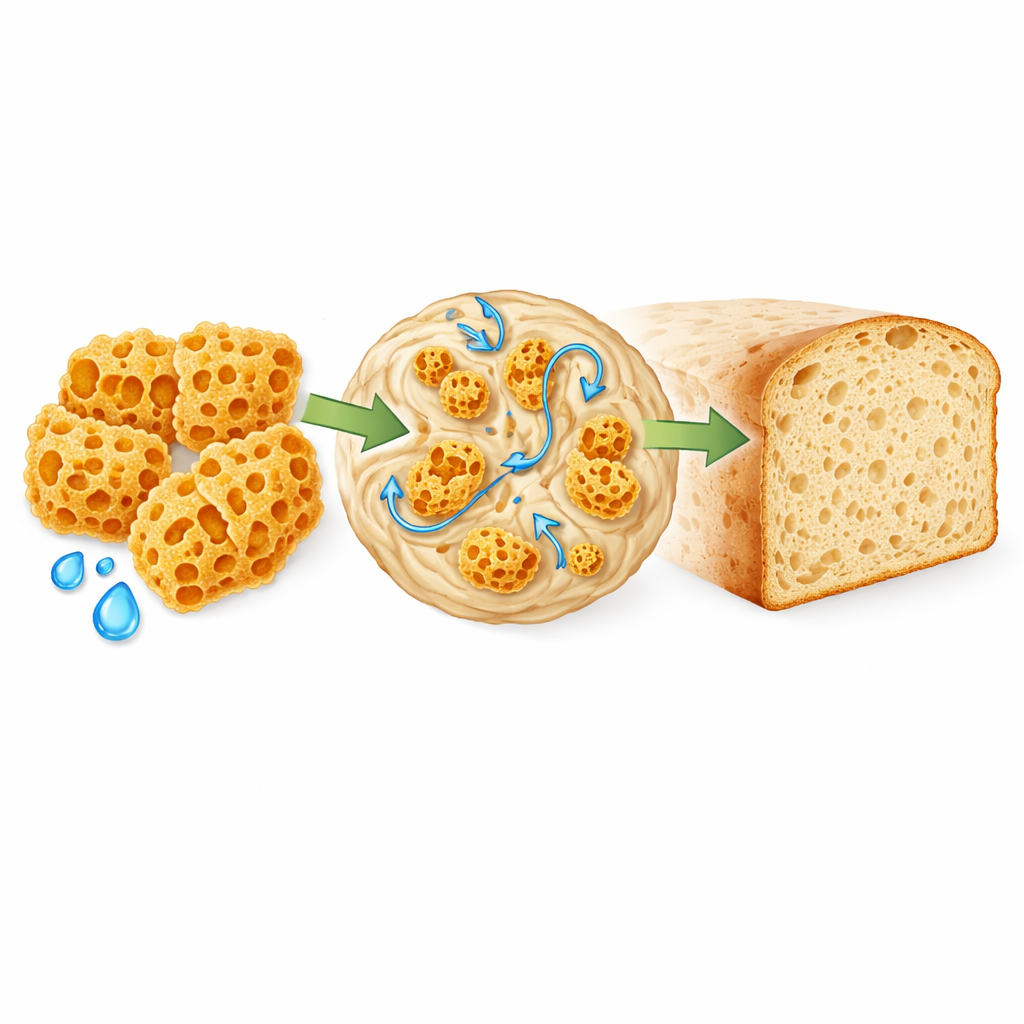
A Simple Way to Upgrade Everyday Bread
Overall, the study demonstrates that grapefruit peel, usually treated as waste, can be transformed into a functional ingredient that improves both the nutritional profile and the eating quality of bread. The fiber-rich wall material brings in natural antioxidants and changes the bread’s structure in a way that makes it softer and springier after storage, while still being well liked by tasters. For everyday consumers, this means that a familiar food like bread could become a little healthier and more enjoyable simply by making better use of what we normally throw away.
Citation: Saeed, F., Arooj, H., Niaz, B. et al. Extraction and characterization of grapefruit wall material (Citrus paradise) and its impact on organoleptic properties of bread. Sci Rep 16, 13663 (2026). https://doi.org/10.1038/s41598-026-43129-z
Keywords: grapefruit peel, dietary fiber, functional bread, food waste valorization, antioxidant ingredients