Clear Sky Science · en
Inhibitory control training and unhealthy behaviours: a meta-analysis testing short and long- term effects in clinical and at-risk populations
Why Stopping Ourselves Matters
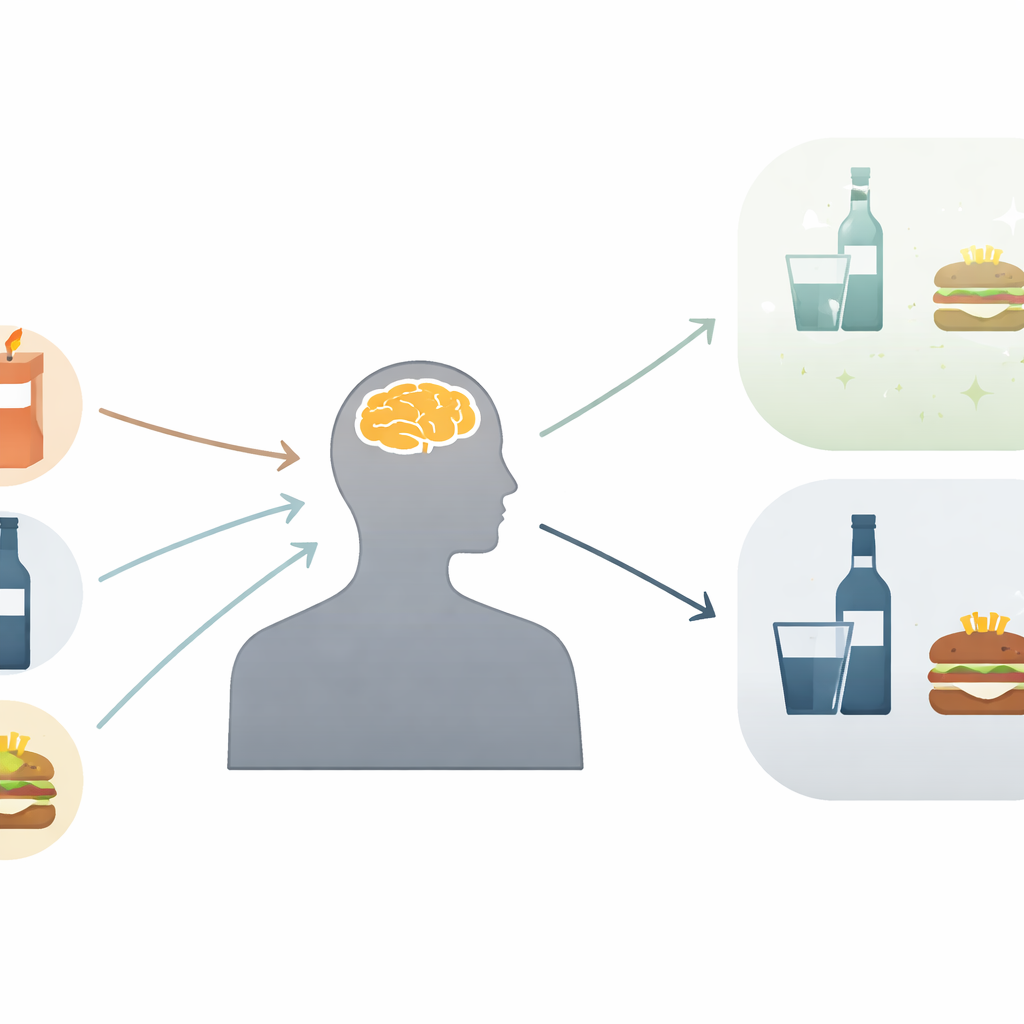
Many of the world’s most common killers – smoking, heavy drinking, and overeating – are driven not just by habit or lack of knowledge, but by difficulties in hitting the mental “brakes” on our impulses. A simple computer-based method called inhibitory control training (ICT) promises to strengthen those brakes by repeatedly asking people to withhold responses to tempting cues like cigarettes, alcohol, or high-calorie foods. This study pulls together results from earlier clinical trials to ask a practical question with big everyday consequences: does this kind of training actually help adults who already have serious problems with these behaviors?
Unhealthy Habits and the Brain’s Braking System
Health agencies worldwide agree that tobacco, alcohol, and unhealthy diets are three leading drivers of preventable disease and early death. These behaviors often cluster: people who smoke are more likely to drink heavily and to eat poorly. This pattern suggests a deeper vulnerability in how some brains handle reward and self-control. Inhibitory control is the mental ability to ignore distractions, resist urges, and stop actions once they have started. When this capacity is weak, people may find it especially hard to turn down another drink, avoid a cigarette, or stop eating when full, even when they clearly understand the risks.
How Inhibitory Control Training Works
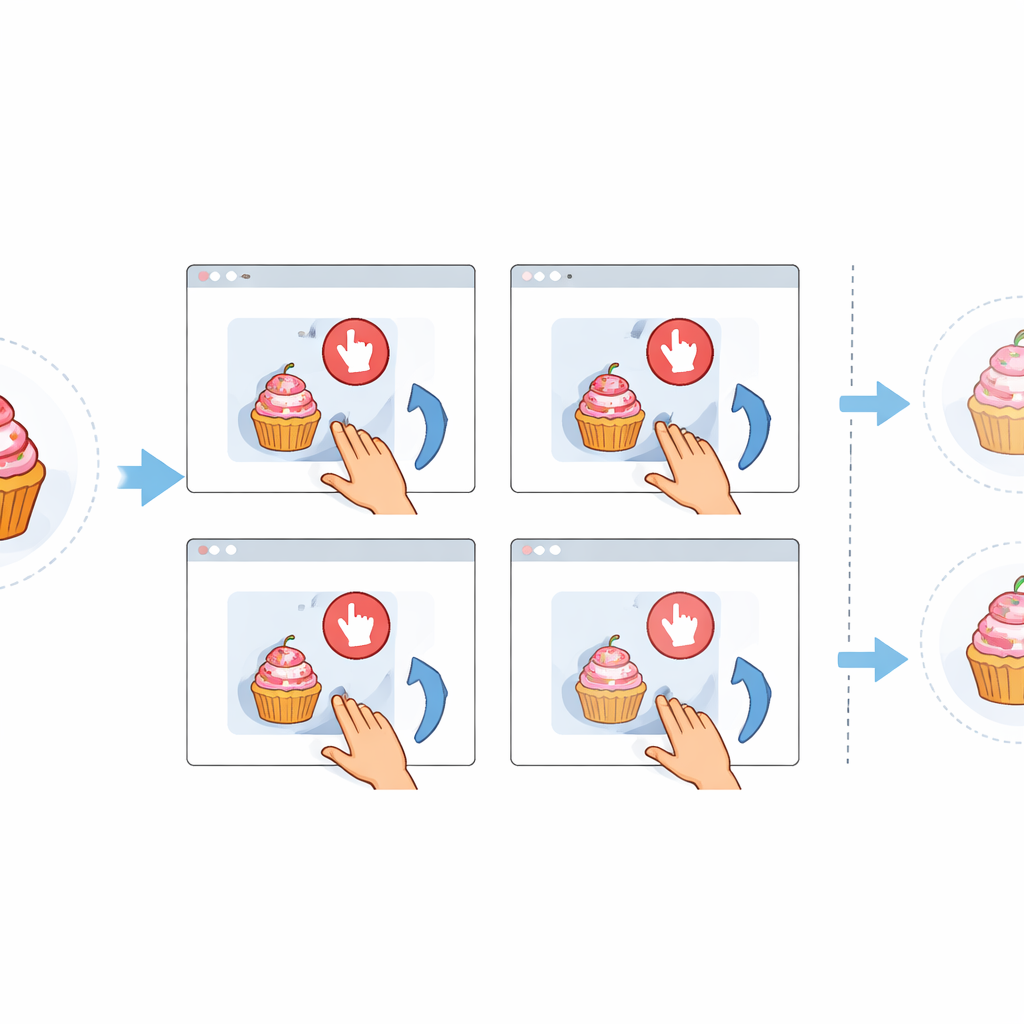
ICT aims to directly exercise this braking system. In these trainings, people complete simple reaction-time tasks on a computer or phone. They are prompted to respond quickly to most images but must withhold their response when certain pictures appear – typically those linked to their problem behavior, such as alcohol, snack foods, or cigarettes. Over many repetitions, the hope is that the brain starts to automatically pair those cues with “stop” rather than “go,” reducing their pull and making self-control easier in daily life. ICT is inexpensive, easy to deliver at home or in clinics, and therefore attractive as a potential public-health tool.
What This Study Examined
The authors conducted a meta-analysis, a statistical method that combines data from many separate studies to obtain a clearer overall picture. They included 16 randomized controlled trials with 1,216 adult participants who either had diagnosed conditions (such as obesity, binge-eating disorder, alcohol use disorder, or nicotine dependence) or were at high risk (for example, heavy drinkers or people with overweight). In every trial, ICT was used on its own, without being bundled with psychotherapy, medication, or brain-stimulation treatments. The researchers examined whether ICT reduced overeating, alcohol consumption, or smoking immediately after training and at later follow-up assessments, and whether factors like the type of training task, number of sessions, or training setting (home versus laboratory) altered its impact.
What the Results Showed – and Did Not Show
Across studies, ICT did not clearly outperform the comparison conditions, either right after training or weeks to months later. On average, changes in behavior – such as fewer binge-eating episodes, lower calorie intake, fewer cigarettes, or more alcohol-free days – were small and statistically indistinguishable between people who received behavior-specific ICT and those who did a neutral version of the task or other computer activities, read informational materials, or remained on usual care. Importantly, this pattern held for all three target behaviors: eating, drinking, and smoking. When the authors probed for reasons behind these modest results, only one consistent pattern emerged: participants who trained at home showed somewhat larger improvements than those trained in laboratories, hinting that a familiar, flexible environment might support better engagement or more realistic practice.
What This Means for Treatment and Everyday Life
The findings suggest that, for adults already struggling with serious tobacco, alcohol, or eating problems, ICT by itself is unlikely to be a game-changing solution. Improvements observed in both ICT and control groups may reflect general benefits of focused practice, time, expectations of help, or broader changes in attention and self-monitoring, rather than a specific effect of repeatedly pairing problem cues with stopping. At the same time, other research indicates that carefully tuned versions of ICT, especially when added to established treatments and delivered with demanding practice schedules, can meaningfully support recovery. Overall, this meta-analysis advises caution in viewing ICT as a stand-alone cure, but supports continued work to refine when, where, and for whom it can serve as a useful, low-cost complement to more comprehensive care.
Citation: Di Rosa, E., Ronconi, L., Del Carlo, B. et al. Inhibitory control training and unhealthy behaviours: a meta-analysis testing short and long- term effects in clinical and at-risk populations. Sci Rep 16, 13928 (2026). https://doi.org/10.1038/s41598-026-43063-0
Keywords: inhibitory control training, unhealthy behaviors, addiction, self-control, meta-analysis