Clear Sky Science · en
Heat shock factor-1 alleviates ER-stress in Caenorhabditis elegans
How Cells Keep Their Proteins in Shape
Every cell in our body must constantly keep its proteins in good working order. Heat, toxins, and everyday wear and tear can cause proteins to misfold, much like a tangled string of holiday lights. When this happens inside cells, the resulting “protein stress” is linked to aging, neurodegenerative diseases, diabetes, and cancer. This study explores how one master protective switch, called heat shock factor‑1, helps cells defend themselves against protein stress deep inside a key cell compartment known as the endoplasmic reticulum, using tiny roundworms and human cells as testbeds.
Two Cellular Safety Nets Working Together
Cells have evolved separate emergency systems to deal with misfolded proteins in different locations. In the watery interior of the cell, one system—often activated by heat—turns on genes that produce helper proteins called chaperones, which refold or dispose of damaged proteins. A different system monitors the endoplasmic reticulum, the folded membrane factory where many secreted and membrane proteins are made. When this factory becomes clogged with misfolded proteins, a dedicated response increases local chaperones, slows new protein production, and ramps up disposal, helping the compartment regain balance. Until now, it was unclear how strongly these two stress responses talk to each other in animals.
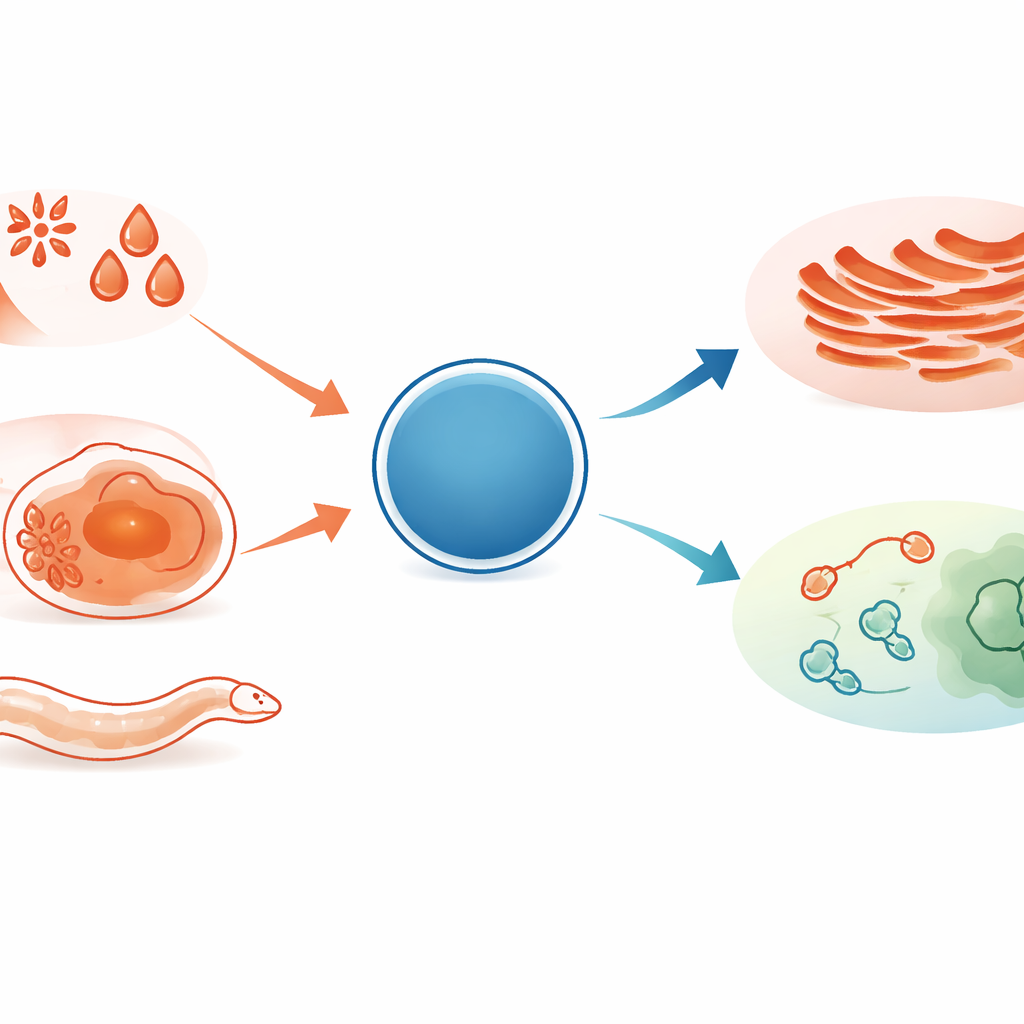
A Master Switch Protects the Protein Factory in Worms
The researchers focused on the roundworm Caenorhabditis elegans, a simple animal whose cellular machinery closely resembles that of humans. They showed that when worms are exposed to high temperature, many genes normally used to relieve stress in the endoplasmic reticulum are turned on only if heat shock factor‑1 is active. Using fluorescent reporter worms whose endoplasmic‑reticulum chaperone glows when switched on, they found that dialing down heat shock factor‑1 sharply reduced this glow after heat or a drug that specifically stresses the protein factory. Worms lacking heat shock factor‑1 also died more readily when their endoplasmic reticulum was challenged, indicating that this master switch is essential for survival under these conditions.
Fine-Tuning Stress Resistance Through Multiple Routes
The team went on to probe how this protective effect is controlled. They examined another chaperone, a protein that normally keeps heat shock factor‑1 in check. When they reduced this inhibitor, the endoplasmic‑reticulum reporter switched on more strongly, consistent with an extra burst of heat shock factor‑1 activity boosting the factory’s defenses. Brief, mild heat exposure—a form of “training” stress known as hormesis—made normal worms more resistant to later protein‑factory damage, but this benefit vanished when heat shock factor‑1 was suppressed. Together, these findings suggest that the master switch does more than simply respond to direct heat damage; it also prepares the cell’s protein factory to face future insults.
Evidence from Human Cells
To test whether a similar link exists in people, the researchers turned to two human cell lines. By mining published datasets, they observed that many genes turned on by drugs that stress the endoplasmic reticulum are also known targets of the human version of heat shock factor‑1. Direct experiments confirmed this connection: when cells were heated or treated with the stress‑inducing drug, key markers of the protein‑factory response rose sharply. Blocking heat shock factor‑1 with a small molecule markedly blunted this rise. Interestingly, the exact pattern of dependence varied between cell types, underscoring that the cross‑talk between stress systems is tuned to each cellular context.
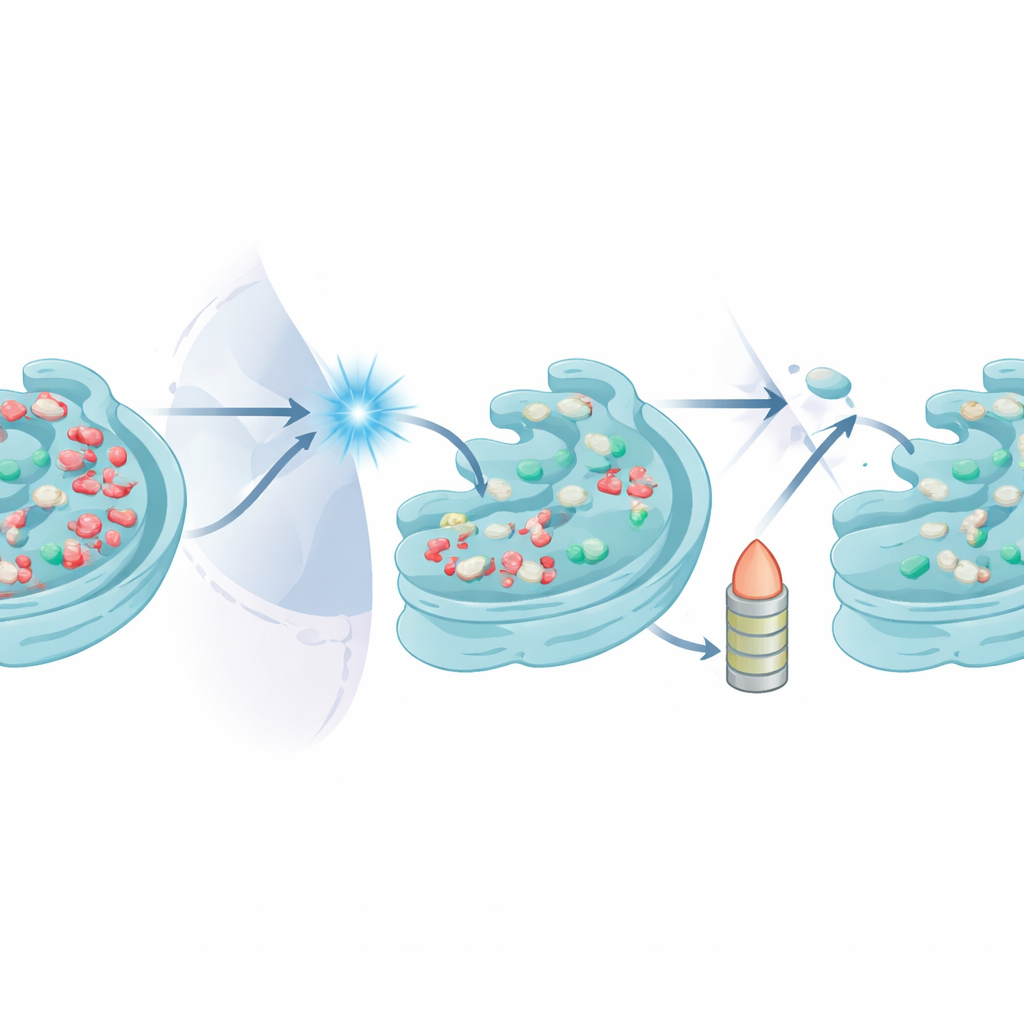
What This Means for Health and Disease
Taken together, the work reveals that heat shock factor‑1 is not just a guardian of proteins in the cell’s interior; it also helps the endoplasmic reticulum cope with overload by boosting protective chaperones and easing the burden of damaged proteins. This cooperation between stress pathways appears to be conserved from worms to human cells. Because breakdowns in these defenses contribute to age‑related disorders and cancer, understanding how this master switch coordinates different protein‑quality systems could open new avenues for treatments that shore up cellular resilience when it is needed most.
Citation: Ahmed, S., Kovács, D., Kovács, M. et al. Heat shock factor-1 alleviates ER-stress in Caenorhabditis elegans. Sci Rep 16, 9928 (2026). https://doi.org/10.1038/s41598-026-43060-3
Keywords: protein misfolding, cell stress response, heat shock factor, endoplasmic reticulum, Caenorhabditis elegans