Clear Sky Science · en
Reference intervals for peripheral blood neutrophil CD64 index and monocyte HLA-DR in healthy adults
Why this matters for everyday health
When doctors suspect an infection, they often turn to blood tests that read the body’s immune “warning lights.” Two of these lights, called the neutrophil CD64 index and monocyte HLA-DR, can help show whether the body is fighting germs too little or too much. But until now, there has been limited information on what counts as a normal reading in healthy adults of different ages. This study set out to define those normal ranges, so that abnormal results can be recognized more quickly and accurately in real-world patients.
How the study was set up
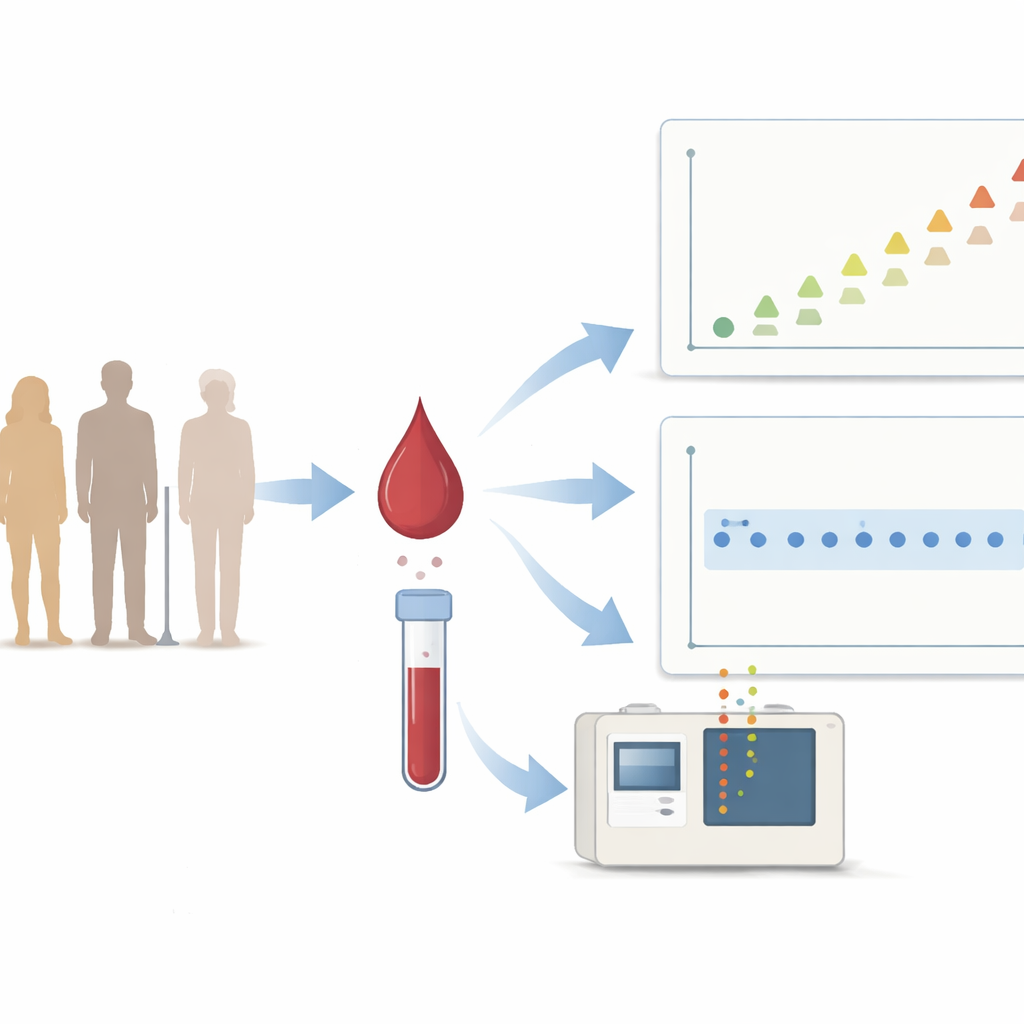
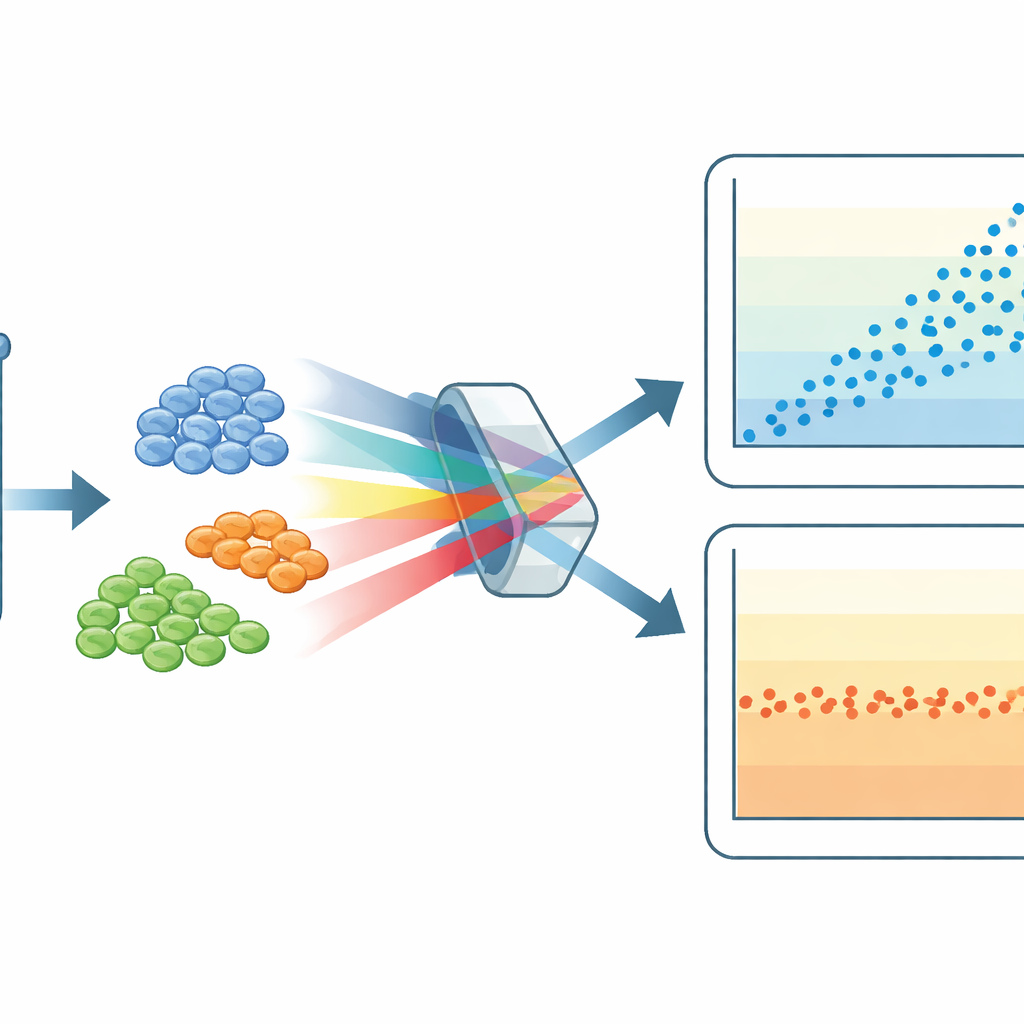
Researchers in Sichuan, China, recruited 320 adults between 20 and 90 years old who came for routine checkups. After carefully screening out anyone with signs of illness, inflammation, organ problems, obesity, or recent medical procedures, they ended up with 285 truly healthy participants. From each person, they drew a small blood sample and used a technique called flow cytometry, which can count and characterize different types of immune cells one by one. This allowed them to calculate the neutrophil CD64 index and the percentage of monocytes carrying HLA-DR for every person.
Taking careful measurements
The team followed international laboratory guidelines to make sure their reference numbers were trustworthy. They checked how the data were distributed, removed extreme outliers, and then grouped people by sex and by age (20–50 years versus 51–90 years). They asked whether men and women, or younger and older adults, needed separate “normal” ranges. They also checked the stability of their measurements by comparing them with simple blood count markers, such as white blood cells and platelets, and with combined indices that are often used to judge overall inflammation in the body.
What they discovered about age and immune markers
The clearest pattern was linked to age. The neutrophil CD64 index, a number that tends to rise when the body is mounting an inflammatory response, was higher in older adults than in younger ones and showed a steady upward trend with age. In other words, even in people who appeared healthy, older adults naturally had a stronger “baseline signal” on this marker. By contrast, the monocyte HLA-DR percentage stayed remarkably steady across both age groups and did not differ between men and women. This suggests that one part of the immune system’s early alarm system creeps upward with age, while another part that helps launch more targeted immune responses remains stable.
Checking and comparing the new normal ranges
To test whether their proposed normal ranges would hold up in practice, the researchers applied them to an independent group of 80 additional healthy adults from the same region. More than 95 percent of these verification samples fell inside the newly set limits, supporting their reliability. The team also compared their results with similar studies from other Chinese regions. They found noticeable differences between laboratories, especially for monocyte HLA-DR, likely caused by variations in instruments, test kits, and analysis methods. This highlights that each laboratory should confirm its own reference ranges rather than directly copying numbers from elsewhere.
What this means for patients and doctors
For people being tested for serious infections or immune problems, these new age-aware reference ranges offer a clearer backdrop for interpreting results. A doctor in this region of China can now better judge when a patient’s neutrophil CD64 index is unusually high for their age, or when monocyte HLA-DR has truly dropped below a healthy level, which can point to immune exhaustion. The study also reinforces that these two markers behave independently from routine blood counts, underscoring their value as specialized tools rather than generic inflammation scores. As more centers build their own reference ranges and extend this work to children and other populations, these immune markers may become more powerful allies in catching infections early and tailoring treatment.
Citation: Zhang, L., Li, Y., Zhong, H. et al. Reference intervals for peripheral blood neutrophil CD64 index and monocyte HLA-DR in healthy adults. Sci Rep 16, 12259 (2026). https://doi.org/10.1038/s41598-026-42826-z
Keywords: immune biomarkers, infection diagnosis, healthy adults, aging and immunity, reference intervals