Clear Sky Science · en
Antioxidant potential and storage stability of sweet cherries (Prunus avium L.) depending on the use of 1- methylcyclopropene in the innovative form of a sticker
Why Keeping Cherries Fresh Matters
Sweet cherries are one of summer’s most treasured fruits—juicy, bright, and packed with health‑promoting compounds. But they are also notoriously fragile: within days after harvest, they can soften, shrivel, lose their vibrant color, and end up in the trash. This study explores a simple new way to keep cherries fresher for longer using a tiny sticker that slowly releases a gas called 1‑MCP, aiming to cut food waste while preserving both taste and nutritional value.
A Tiny Sticker With a Big Job
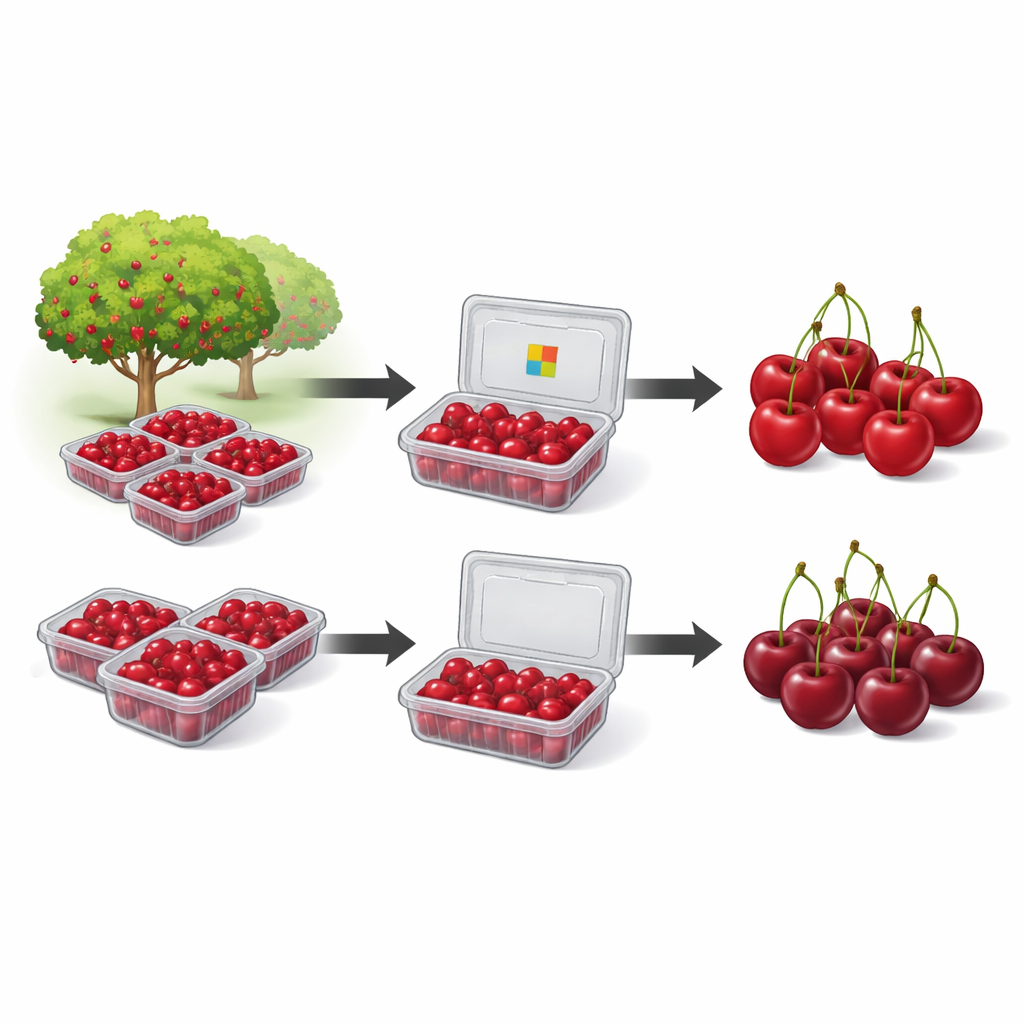
The researchers worked with two popular sweet cherry varieties, Kordia and Regina, which are prized for flavor and rich red color. They placed freshly picked cherries into small plastic clamshell packages; some packages contained a special sticker that gradually released 1‑MCP over 24 hours, while others had no sticker and served as controls. After this short treatment, all cherries were stored in cold rooms under conditions similar to real distribution chains—about 2–3 °C and high humidity—for three weeks. Throughout storage, the team measured how much weight the fruit lost, how firm they stayed, how green and healthy the stems looked, and how their nutritional components changed.
Slower Shrinkage and Firmer Bites
One of the clearest benefits of the sticker treatment was reduced weight loss. Cherries naturally lose water during storage, which leads to shriveling and a tired appearance. In this study, cherries exposed to 1‑MCP lost about one‑third less weight than untreated fruit. Packages treated with medium and higher sticker doses showed the smallest losses, while untreated cherries dried out the most. Firmness, a key trait consumers notice when biting into a cherry, also held up better in treated fruit. Using instruments to measure how much force it took to pierce the flesh, the researchers found that the highest sticker dose did the best job at slowing softening. Overall, the Regina variety held its firmness and weight slightly better than Kordia, suggesting that natural variety differences combine with the sticker’s effects.
Greener Stems and Better Looking Fruit
Even though we do not eat cherry stems, their appearance strongly influences whether shoppers perceive the fruit as fresh. Green stems signal just‑picked fruit, whereas brown, dried stems discourage buyers. In this experiment, stems on sticker‑treated cherries stayed green for longer, especially at the higher sticker doses, while stems on untreated fruit browned more quickly. Visual quality scores—based on surface defects, spots, and overall appeal—also favored cherries treated with the sticker, particularly at the strongest dose. These improvements in “shelf appeal” are important because retailers and consumers often make decisions in seconds based on how produce looks, long before tasting it.
Guarding Vitamins and Antioxidants
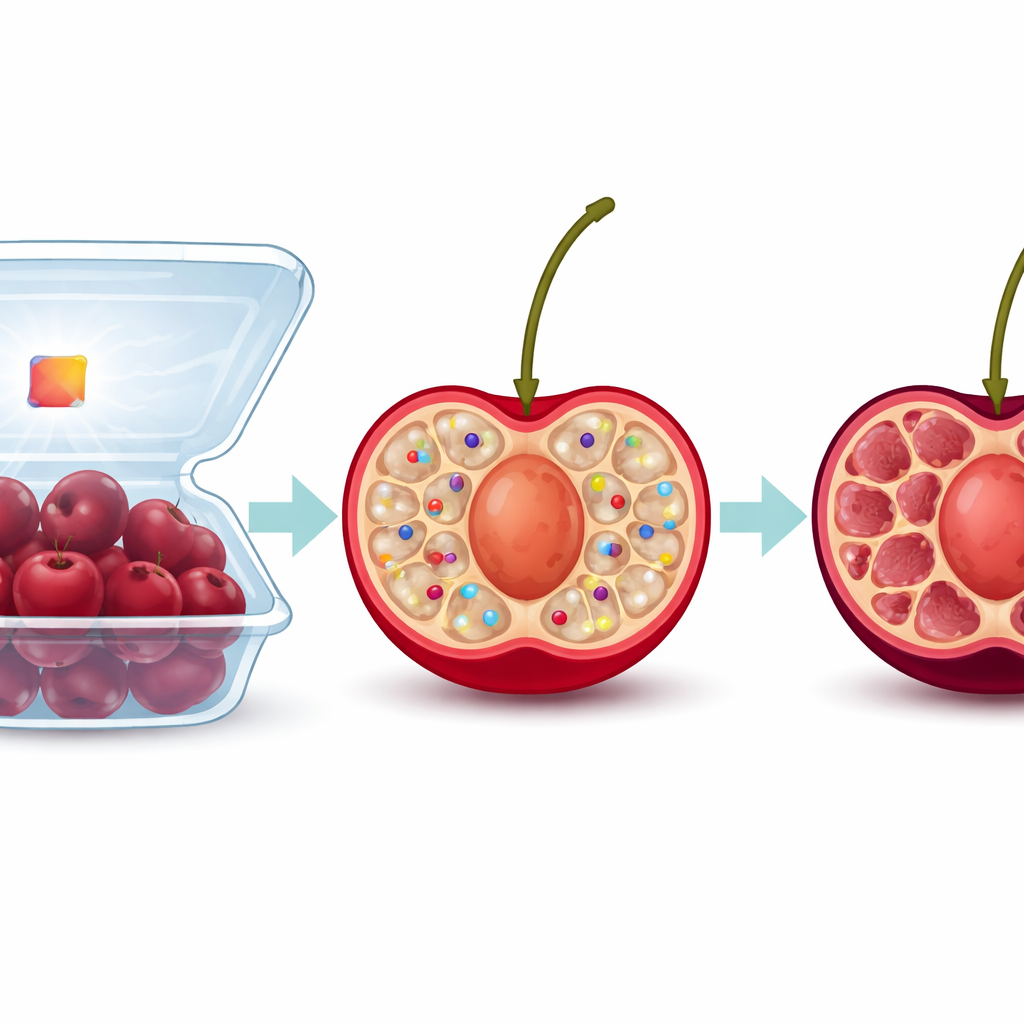
Beyond looks and texture, cherries are valued for vitamin C and a host of natural plant compounds such as polyphenols and anthocyanins, which act as antioxidants in the body. Normally, storage leads to a gradual decline in these nutrients as fruit ages and reactive oxygen species build up. In this study, vitamin C levels dropped over time in all samples, but the decline was noticeably smaller in cherries exposed to 1‑MCP, especially at the highest sticker dose. The sticker treatments also helped stabilize total polyphenols and anthocyanins compared with untreated fruit, and the cherries kept a higher antioxidant capacity as measured by a standard FRAP test. Kordia tended to have more of these compounds than Regina, but both varieties benefited from the sticker technology.
From Orchard to Home With Less Waste
By the end of the 21‑day storage period, a clear pattern emerged: cherries stored with 1‑MCP stickers stayed heavier, firmer, greener‑stemmed, and richer in key antioxidants than those without stickers. The technology worked particularly well at moderate to higher sticker doses and across both tested varieties. For everyday consumers, this means cherries that look fresher, taste better, and retain more of their health‑promoting components for longer in the store and at home. For growers and retailers, it offers a practical tool to reduce losses during transport and storage. In simple terms, a tiny, invisible gas from an equally tiny sticker helps pause the internal aging clock of sweet cherries, turning a delicate luxury fruit into a more reliable and less wasteful part of the food supply.
Citation: Wichrowska, D., Wolan, A. & Malefyt, T. Antioxidant potential and storage stability of sweet cherries (Prunus avium L.) depending on the use of 1- methylcyclopropene in the innovative form of a sticker. Sci Rep 16, 13467 (2026). https://doi.org/10.1038/s41598-026-42369-3
Keywords: sweet cherries, postharvest storage, food waste reduction, antioxidants, 1-MCP sticker