Clear Sky Science · en
Association of COVID-19 vaccines and antibody response in individuals with prior Coronavirus infection
Why this study matters to everyday life
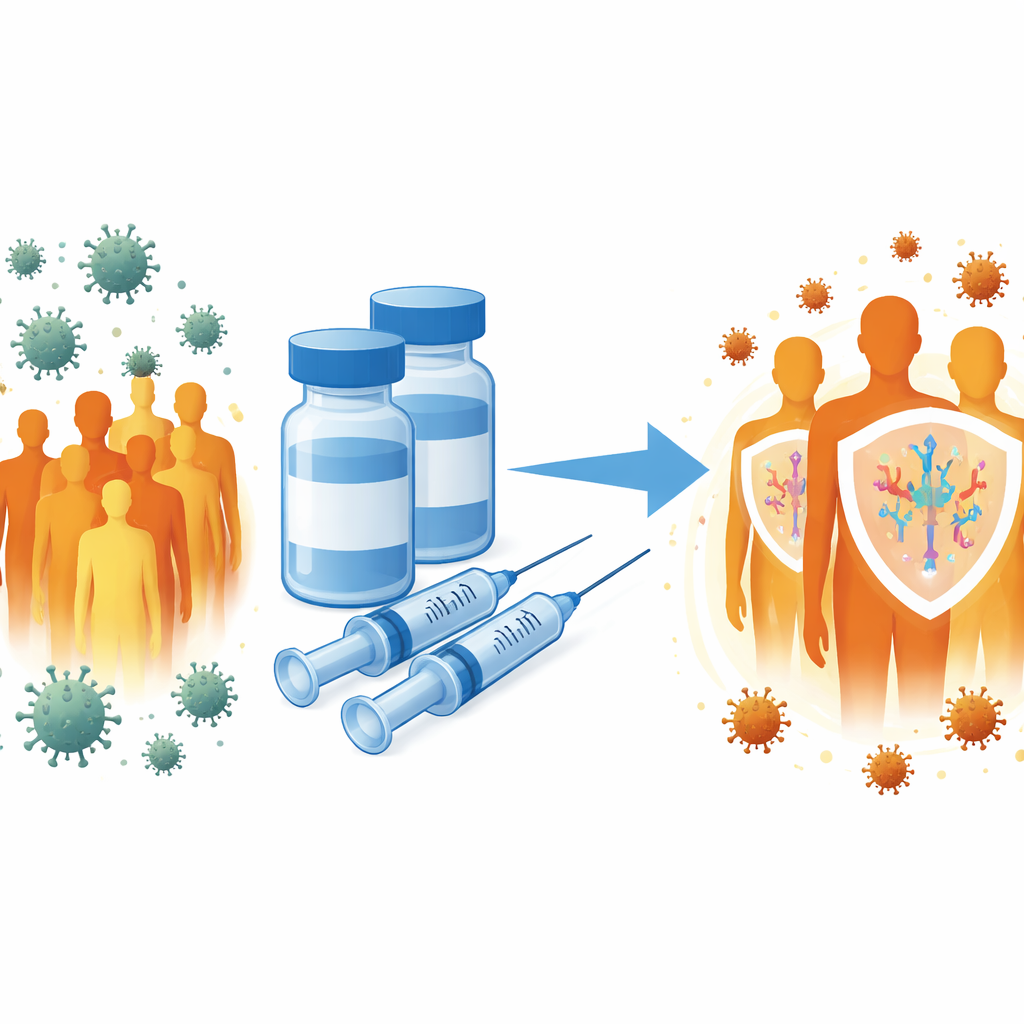
As COVID-19 moves from crisis to coexistence, many people still wonder how well past infections and vaccines work together to protect them, especially over time. This study from southern India looks closely at one important line of defense—antibodies in blood and saliva—to see how strongly they respond after vaccination in people with and without a previous coronavirus infection, and how long that protection seems to last.
Looking at protection where the virus first enters
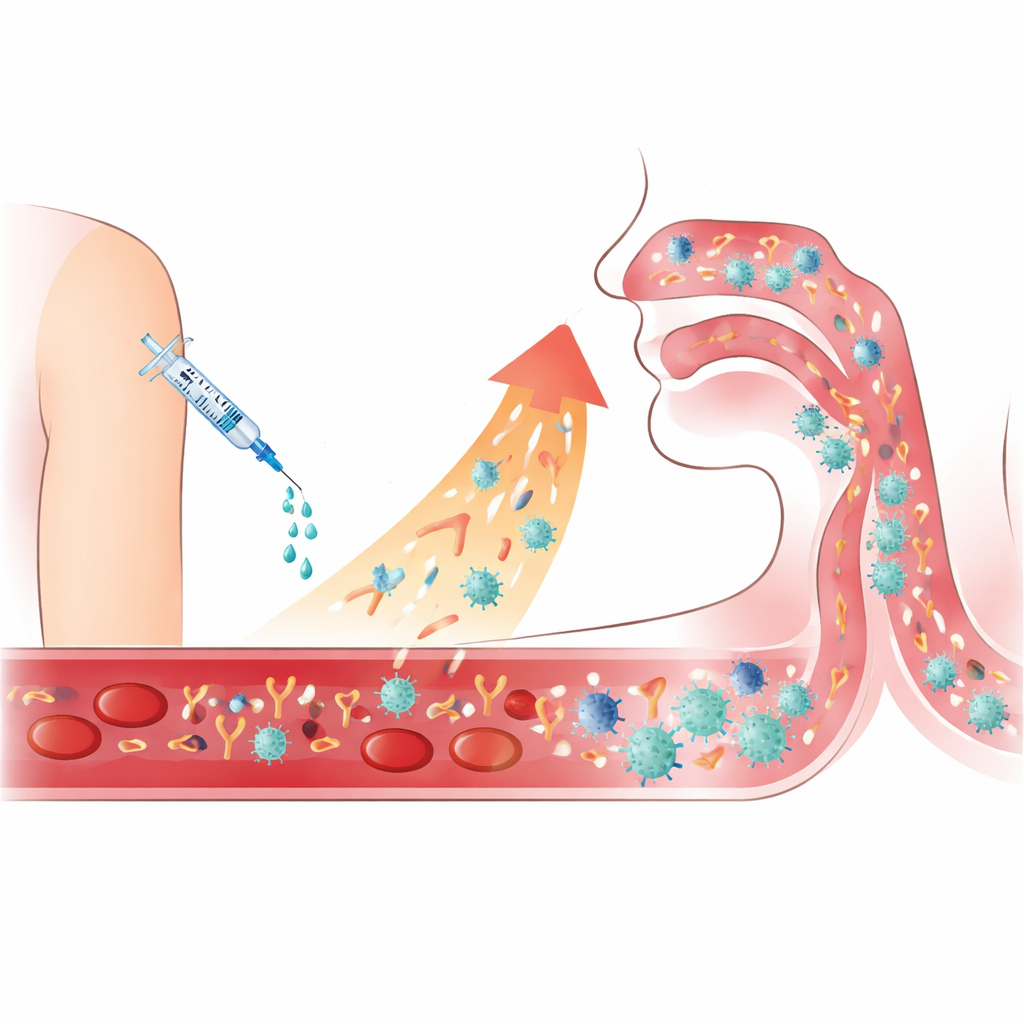
The researchers focused on a type of antibody called IgA, which helps guard the moist surfaces of the nose, mouth, and airways—the first places the coronavirus tries to invade. They studied 127 adults in the Udupi district of Karnataka, India, all of whom had received two doses of either Covishield or Covaxin, the two main COVID-19 vaccines used in India. Some of these people had already had COVID-19 at least once, while others had never been infected. The team measured IgA levels both in blood (serum) and in saliva to understand how vaccines and past infection together shape this front-line immune shield.
Who took part and what was measured
Participants were between 18 and 60 years old and had received their second vaccine dose at least two weeks earlier. People who were pregnant, severely ill, immunocompromised, or had received other COVID-19 vaccines or a recent booster were excluded to keep the group more uniform. The scientists recorded age, sex, body mass index, medical conditions such as diabetes or respiratory disease, and habits like smoking. They also documented whether and when participants had COVID-19, how severe it had been, and how long it had been since their last vaccine dose. Saliva and blood samples were then collected and tested in a blinded laboratory using a standard antibody test.
What the antibody tests revealed
Overall, people who had both vaccination and a past COVID-19 infection showed higher IgA levels in their blood than those who had been vaccinated but never infected. Average serum IgA was about 12.6 micrograms per milliliter in previously infected participants versus 8.5 in those without prior infection. Older adults (over 30) tended to have higher serum IgA than younger adults, and people without chronic health problems often had stronger responses. Importantly, IgA in blood could still be detected even more than a year after vaccination, though the levels decreased with time: highest within 6 months after the second dose and lower by 6–12 months and beyond 12 months.
Saliva: the weaker but crucial front line
In saliva, IgA levels were much lower and often undetectable, especially in those without a past infection. When salivary IgA was present, it tended to appear in people who also had relatively high IgA levels in their blood and in those who had already had COVID-19. Salivary IgA was most noticeable in the first 6 months after vaccination and prior infection, and then dropped sharply. This suggests that while vaccines and past infection can spark a local shield in the mouth and nose, that shield may fade faster than the deeper, blood-based response.
What this means for long-term protection
To a layperson, the message is that COVID-19 vaccines do boost protective antibodies, and people who have both been infected and vaccinated often develop a stronger, more lasting response—sometimes called "hybrid" immunity. However, the study also shows that the antibody barrier at our main entry points, the nose and mouth, is relatively fragile and declines over time. This helps explain why mild or asymptomatic infections can still occur after vaccination, even while protection against severe disease remains. The authors suggest that future efforts to strengthen local mucosal immunity—through new vaccine designs or booster strategies—could be key to cutting transmission and better protecting communities over the long term.
Citation: Shyamkumar, R.M., Madiyal, M., Bhuvanagiri, G. et al. Association of COVID-19 vaccines and antibody response in individuals with prior Coronavirus infection. Sci Rep 16, 13593 (2026). https://doi.org/10.1038/s41598-026-42177-9
Keywords: COVID-19 antibodies, mucosal immunity, hybrid immunity, COVID-19 vaccination, IgA response