Clear Sky Science · en
Molecular identification, characterization and antibacterial activity of fungal-mediated silver nanoparticles against Bacillus subtilis sh3 and Klebsiella pneumoniae sh4
Turning Friendly Fungi into Tiny Fighters
Antibiotic-resistant infections and cancer are two of the most pressing health worries of our time. This study explores an unexpected ally against both: a common soil fungus that can manufacture silver particles thousands of times smaller than a grain of sand. These tiny specks, known as silver nanoparticles, are produced in an environmentally friendly way and then tested as weapons against hard-to-treat bacteria and breast cancer cells.
Why Tiny Silver Particles Matter
Many bacteria that once fell easily to antibiotics now shrug them off, making routine infections harder and sometimes deadly. Silver has long been known to slow or stop microbial growth, but shrinking it down to the nanoscale greatly increases its surface area and reactivity. The challenge is to make such particles in a simple, low-cost, and non-toxic way. Here, the researchers use a strain of fungus, Fusarium oxysporum SH1, to turn dissolved silver salt into solid nanoparticles, relying on the fungus’s own secreted molecules instead of harsh chemicals. This “green” route promises both cleaner production and particles already coated with natural stabilizing substances.
From Moldy Tomatoes to Precision Nanomaterials
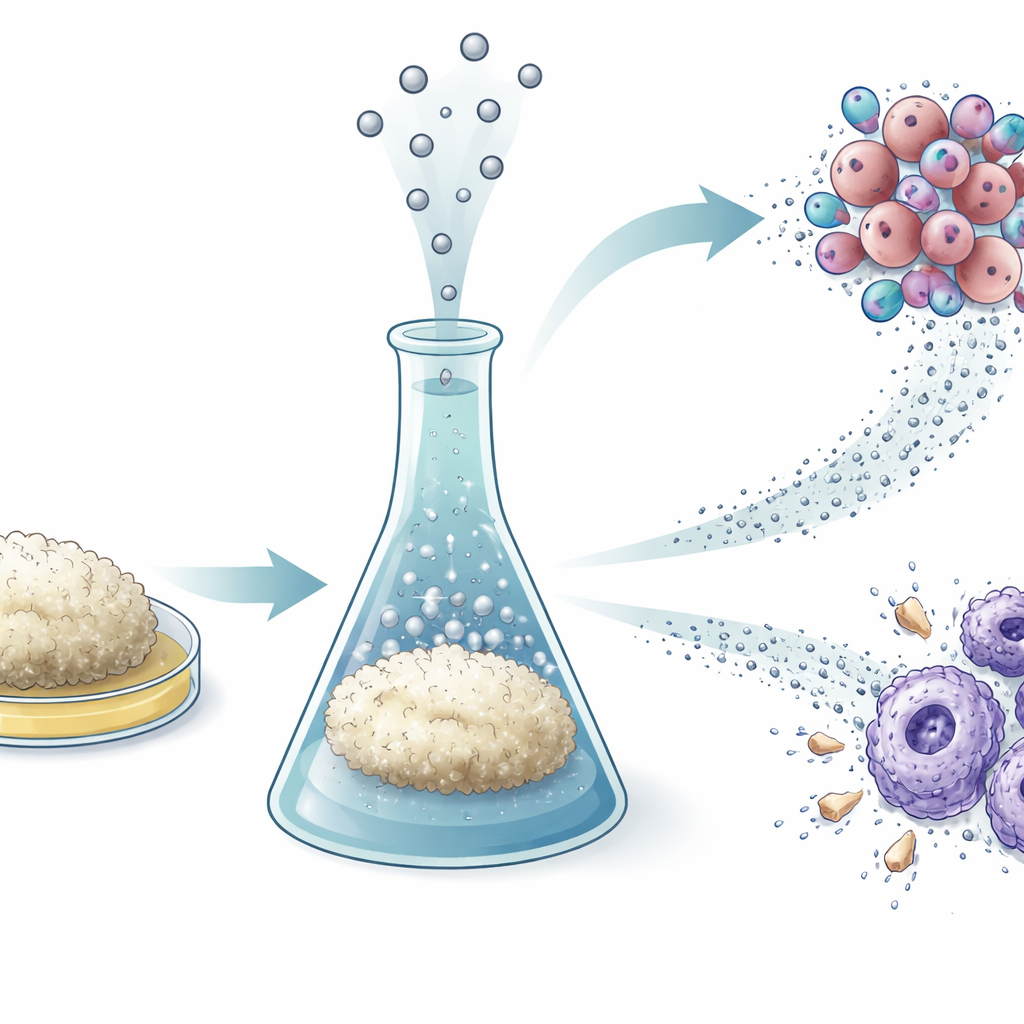
The fungal strain was originally isolated from spoiled tomatoes and carefully identified using both traditional appearance-based methods and genetic sequencing. To make the particles, the team grew the fungus, collected the liquid surrounding its filaments, and added a silver solution. A visible color change signaled that silver ions were being converted into solid nanoparticles. The scientists then used a suite of imaging and analytical tools to check what they had made. Electron microscopes showed mostly spherical particles tens of nanometers across, while other methods confirmed that they were crystalline silver and that fungal proteins, sugars, and other natural compounds coated their surfaces, helping keep them stable and evenly sized.
Taking Aim at Tough Bacteria
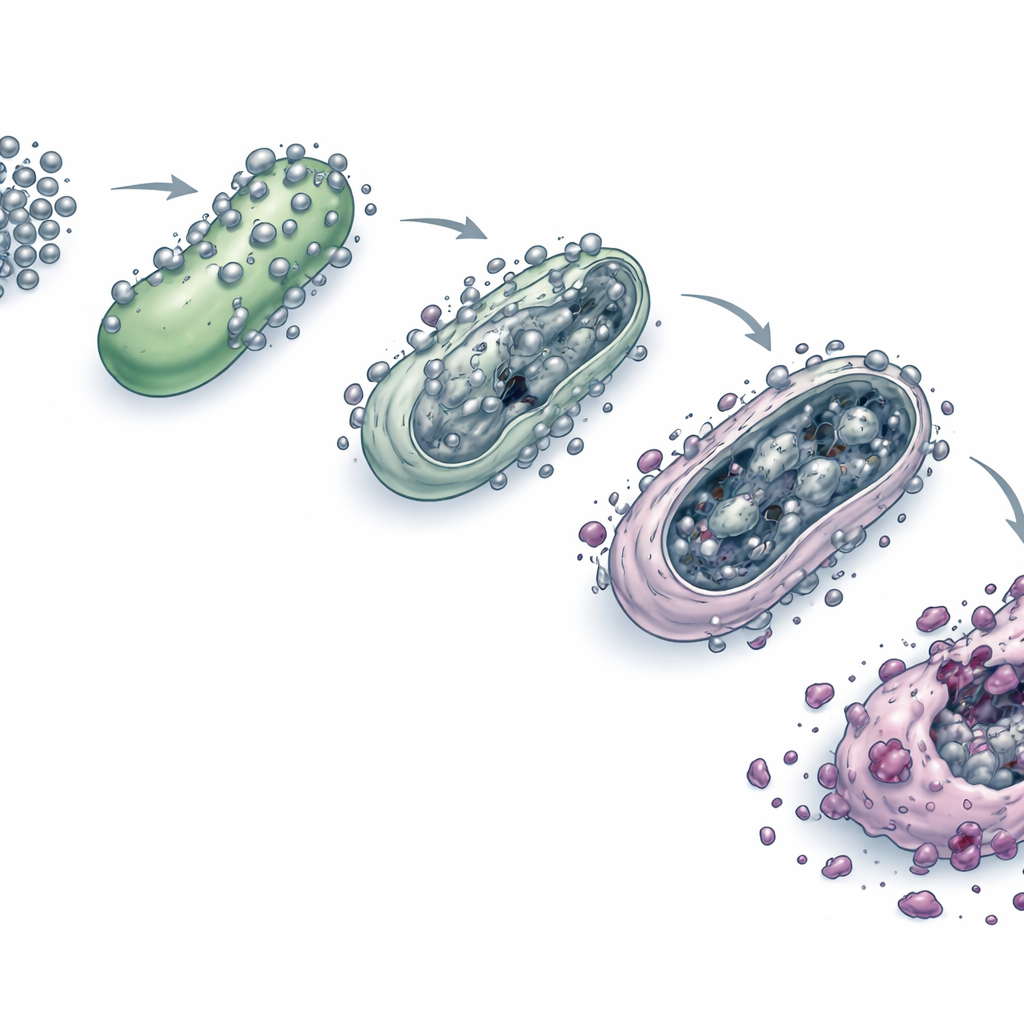
Next, the group tested how well these fungal-made silver particles could stop two troublesome clinical bacteria: Bacillus subtilis sh3, a Gram-positive strain, and Klebsiella pneumoniae sh4, a Gram-negative strain, both resistant to several antibiotic families. In Petri dish tests, the nanoparticles created clear zones where bacteria could not grow, even at very low concentrations, lower than many previous silver studies have reported. When the particles were combined with familiar antibiotics such as ciprofloxacin and aztreonam, the dead zones around the drug-soaked disks became noticeably larger. This suggests that the silver particles and the drugs reinforce each other, potentially reviving the power of medicines that are losing their edge.
Selective Pressure on Cancer Cells
The same nanoparticles were also tested on two types of human cells grown in the lab: MCF7 breast cancer cells and normal skin pigment (melanocyte) cells called HFB4. Using a standard color-based test of cell health, the researchers found that cancer cells lost viability at much lower nanoparticle doses than the normal cells did. Microscopic images revealed that treated cancer cells rounded up, shrank, and detached from the surface, consistent with serious damage, while the normal cells showed milder changes at similar doses. This pattern indicates a degree of selectivity: under the test conditions, the fungal silver particles hit cancer cells harder than their healthy counterparts.
What This Could Mean for Future Treatments
In simple terms, this work shows that a naturally occurring fungus can act as a miniature factory for crafting tiny silver particles that are tough on drug-resistant bacteria and relatively tougher on breast cancer cells than on normal cells. The process uses mild conditions and avoids toxic chemicals, making it attractive from an environmental standpoint. While these findings are early and limited to laboratory dishes, they point toward a future where carefully engineered, fungus-made silver nanoparticles could be added to antibiotics to restore their strength or incorporated into new cancer-fighting strategies. Further studies in animals and eventually humans will be needed to confirm safety, dosing, and how exactly these particles work inside living bodies.
Citation: Ismail, M.AM., Rafat, S., Hamza, H.A. et al. Molecular identification, characterization and antibacterial activity of fungal-mediated silver nanoparticles against Bacillus subtilis sh3 and Klebsiella pneumoniae sh4. Sci Rep 16, 10728 (2026). https://doi.org/10.1038/s41598-026-42107-9
Keywords: silver nanoparticles, green synthesis, antibiotic resistance, Fusarium oxysporum, breast cancer cells