Clear Sky Science · en
Rapid decline of elevated homocysteine level in nitrous oxide use
Why a party gas matters for your nerves
Nitrous oxide, often called “laughing gas,” has quietly moved from the dentist’s office to parties and street corners, especially among young adults. While the gas can create a brief high, doctors are now seeing more patients with serious nerve problems after heavy use. This study focuses on a blood substance called homocysteine, asking a simple but crucial question: how quickly does it fall once people stop using nitrous oxide, and can it help doctors tell who has been exposed recently?
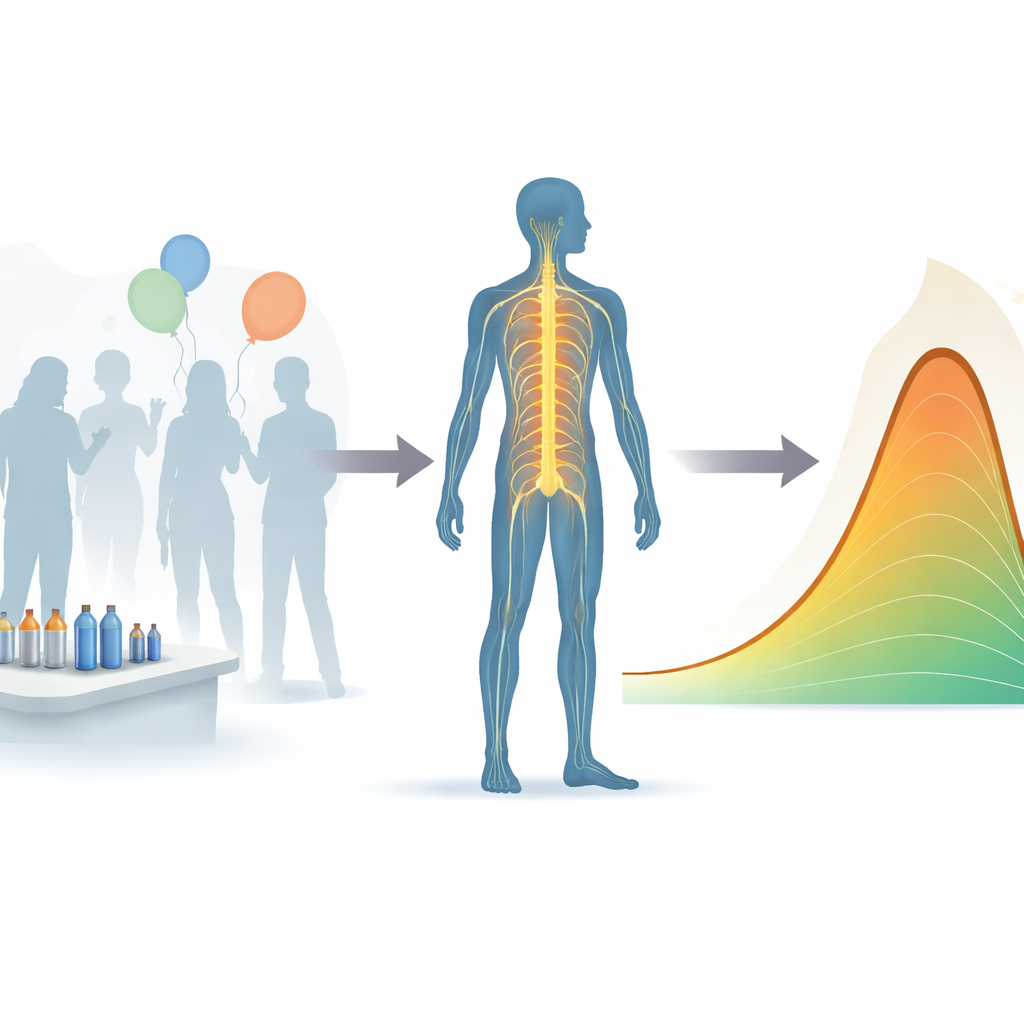
A hidden risk in a common party drug
Nitrous oxide interferes with vitamin B12, a nutrient that helps keep nerves and blood healthy. When B12 is blocked, homocysteine builds up in the blood. High levels of this compound have been linked to damage in the spinal cord and peripheral nerves, leading to weakness, numbness, and trouble walking. Yet vitamin B12 blood levels themselves often look normal, making it hard for doctors to identify nitrous oxide as the culprit. The authors set out to see whether homocysteine might be a better real-world clue to nitrous oxide–related nerve damage.
Who was studied in Paris hospitals
The researchers reviewed records from two large hospitals in the Greater Paris area, covering six years of patients admitted with nerve or spinal cord problems tied to nitrous oxide use. Most of the 86 patients were young adults in their early twenties, and many had serious neurological issues, such as spinal cord damage, peripheral neuropathy, or both. Blood tests were checked for vitamin B12 and homocysteine, along with the exact time of hospital arrival and blood sampling. Because people were unlikely to keep using nitrous oxide once hospitalized, the admission time was treated as the point when exposure stopped.
What homocysteine levels revealed
Almost all patients had homocysteine levels far above normal when first tested, even though four out of five showed normal vitamin B12 levels. Among those tested within the first eight hours after admission, homocysteine was especially high. However, the study found that these levels dropped sharply in the hours and days that followed, generally returning to normal around one week after hospital entry. Patients who had taken vitamin B12 on their own before coming to the hospital tended to have lower homocysteine levels than those who had not, suggesting that self-treatment can partly mask the signal of recent exposure.
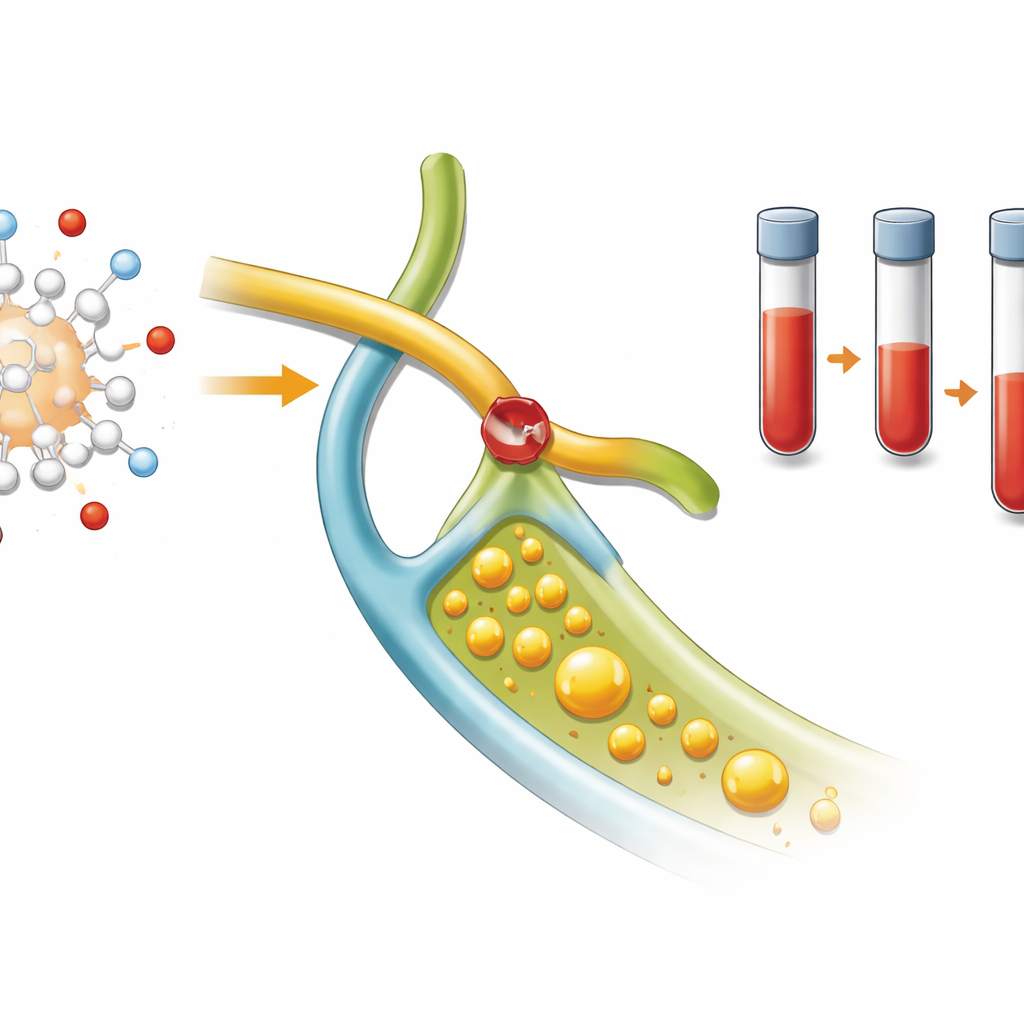
Timing is everything for this blood signal
The pattern of a steep early fall followed by a slower return to normal suggests that homocysteine behaves like a fast-fading chemical footprint of nitrous oxide use. Because the last actual inhalation often happened hours or days before admission, the levels measured at the hospital may already miss the true peak. The authors warn that a modestly raised homocysteine level does not always mean mild nitrous oxide use; it may just mean the test was done too late or after someone took vitamin B12 supplements. In fact, their data suggest that current blood markers for nitrous oxide exposure are useful only within about a week after the last use.
What this means for users and doctors
For people and clinicians concerned about nitrous oxide–related harm, this study carries a clear message. Standard vitamin B12 tests often look reassuringly normal even when nerves are already suffering. Homocysteine, by contrast, spikes high with heavy nitrous oxide exposure and then falls quickly once use stops, making it a promising early warning sign—if measured right away. If testing is delayed, homocysteine may look only mildly abnormal or even normal, which can hide the true extent of past exposure. Recognizing this rapid decline can help doctors interpret test results more accurately and underscores the need for early medical assessment after heavy nitrous oxide use.
Citation: Dawudi, Y., Gendre, T. & Bonnan, M. Rapid decline of elevated homocysteine level in nitrous oxide use. Sci Rep 16, 12152 (2026). https://doi.org/10.1038/s41598-026-42078-x
Keywords: nitrous oxide, homocysteine, vitamin B12, neurological complications, recreational drug use