Clear Sky Science · en
Urinary 6-sulfatoxymelatonin as a predictive biomarker for brain injury in very preterm infants
Why this tiny hormone matters for tiny babies
When babies are born very early, their brains are still under construction. These fragile infants face a high risk of lasting problems with movement, learning, and behavior. Doctors can see serious damage on brain scans, but often only after harm has already occurred. This study explores whether a simple urine test—measuring a breakdown product of the sleep hormone melatonin—could warn doctors that a very preterm baby’s brain is in trouble days before damage becomes obvious, opening the door to closer monitoring and earlier protection.
A simple signal from a complex hormone
Melatonin is best known for helping regulate sleep and wake cycles, but it is also a powerful natural defender against stress inside the body. It can dampen inflammation, reduce the buildup of harmful molecules called free radicals, and support the survival of delicate brain cells. In the hospital, very preterm infants are exposed to infections, low oxygen, and many procedures—all of which can overwhelm their immature defenses. Instead of drawing blood repeatedly to measure melatonin itself, the researchers focused on 6-sulfatoxymelatonin, a stable substance the body produces after melatonin is used and then excretes in urine. Because urine can be collected noninvasively, this metabolite offers a practical window into the baby’s melatonin system.
Following early arrivals through their first week
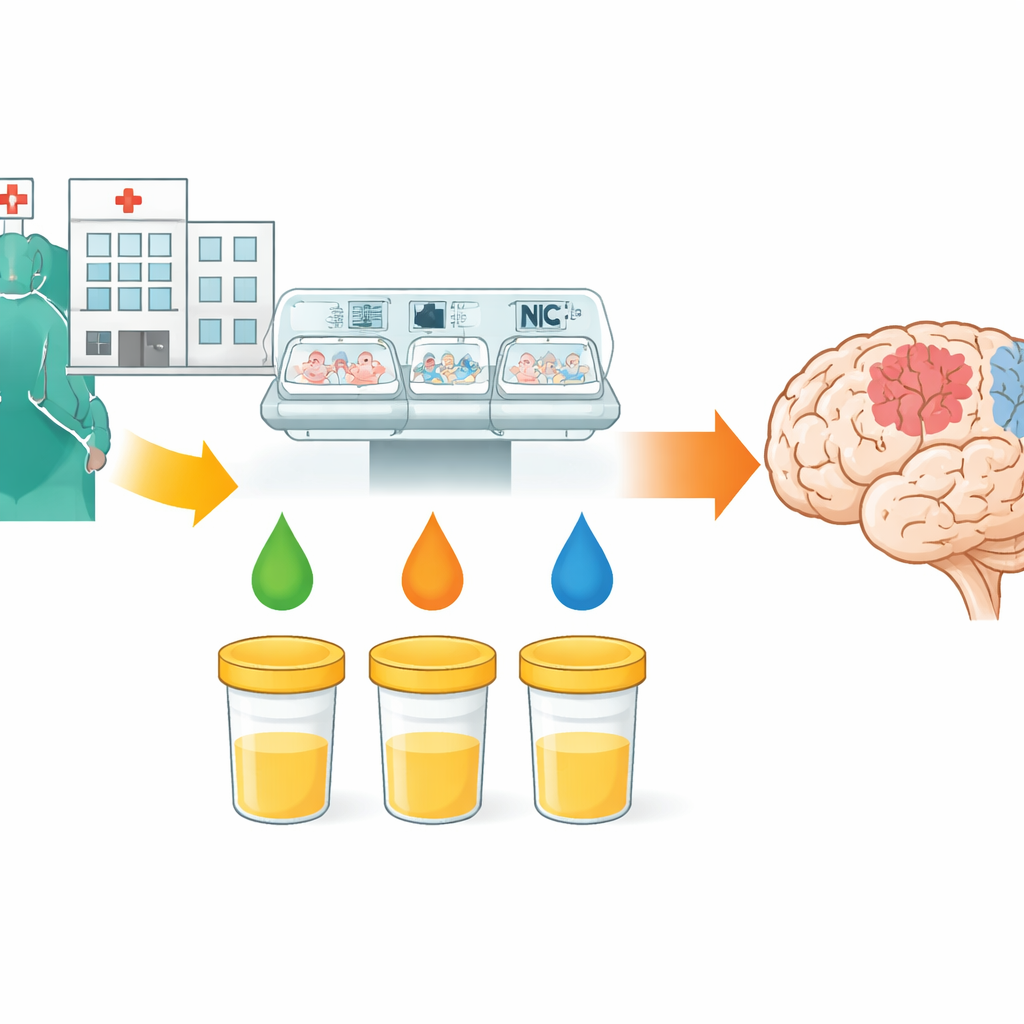
The team followed 127 infants born before 32 weeks of pregnancy at a single hospital over one year. All babies had regular brain imaging with ultrasound and, later, MRI to detect any bleeding or white-matter injury, the two main forms of preterm brain damage. Based on these scans, 30 babies were classified as having brain injury and 97 as controls. On days 1, 3, and 7 after birth, nurses collected small urine samples and measured 6-sulfatoxymelatonin levels. At the same time, the researchers carefully recorded birth weight, gestational age, exposure to common treatments such as magnesium sulfate before birth, and early problems like infection or lack of oxygen.
Lower hormone byproduct linked to injured brains
Across the first week, babies with brain injury consistently had lower levels of the melatonin byproduct in their urine than babies without injury. On each test day, median levels were several hundred units lower in the injured group. Overall, 6-sulfatoxymelatonin levels tended to rise from day 1 to day 7 in all infants, suggesting that the melatonin system slowly wakes up after very early birth. Higher levels were modestly linked to being born later in pregnancy and having a higher birth weight, especially during the first three days, but these links faded by the end of the week. Notably, babies whose mothers received magnesium sulfate before delivery—a treatment already known to help protect the brain—had different 6-sulfatoxymelatonin patterns, hinting at an interaction between this drug and the melatonin system.
Testing its power as an early warning sign
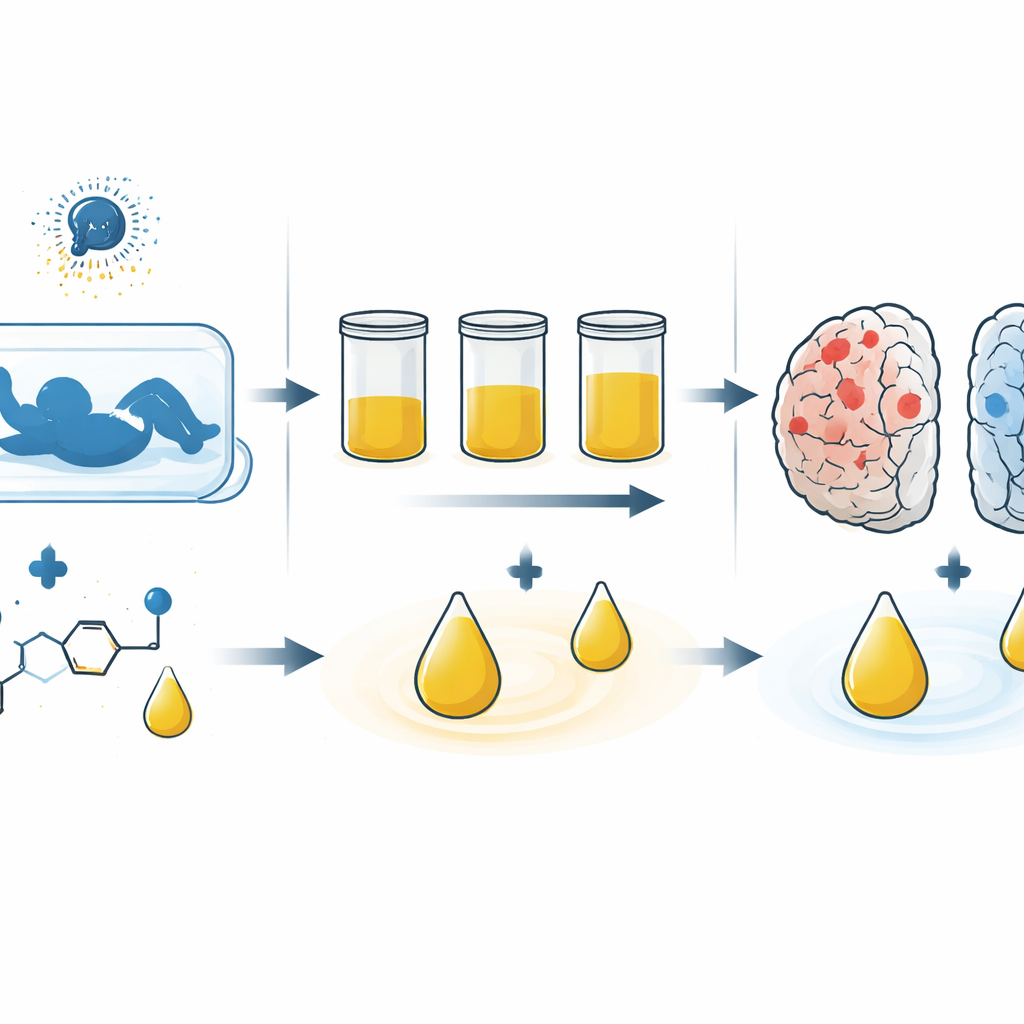
To see whether the urine marker could help flag babies at risk, the authors used statistical tools similar to those used to judge screening tests. Measurements taken on day 3 performed best among single time points, correctly distinguishing many infants with brain injury from those without. When values from all three days were combined into one model, the accuracy improved further, with better sensitivity and reasonable specificity. After carefully matching infants by birth weight and gestational age to remove these confounding factors, higher day 3 6-sulfatoxymelatonin levels were still strongly associated with a lower chance of brain injury, supporting the idea that the marker reflects more than just how small or early the baby is.
What this could mean for future care
This study suggests that very preterm infants with brain injury tend to have a kind of melatonin shortfall during their first week of life, visible as reduced levels of its breakdown product in urine. Because collecting urine is simple, cheap, and noninvasive, serial measurements of 6-sulfatoxymelatonin could become a practical bedside tool to help identify which babies’ brains are under greatest stress, well before problems are fixed on scans or in behavior. While larger, multi-hospital studies are needed, and it remains to be seen whether boosting melatonin itself can safely improve outcomes, this work points toward a future where a quiet hormone best known for sleep may also guide how we protect the brains of our smallest patients.
Citation: Wang, Y., Zeng, J., Su, J. et al. Urinary 6-sulfatoxymelatonin as a predictive biomarker for brain injury in very preterm infants. Sci Rep 16, 11254 (2026). https://doi.org/10.1038/s41598-026-42005-0
Keywords: preterm brain injury, melatonin, biomarkers, neonatal intensive care, urine testing