Clear Sky Science · en
The stress hyperglycemia ratio as a novel risk marker for postoperative delirium after cardiac valve surgery
Why blood sugar during heart surgery recovery matters
When people undergo heart valve surgery, the days that follow can be precarious for the brain. Some patients suddenly become confused, disoriented, or unable to pay attention—a condition known as postoperative delirium. This study asked a simple but important question: can a specific pattern of stress‑related blood sugar change help doctors spot which patients are most at risk, so they can intervene earlier and possibly improve both brain and overall recovery?
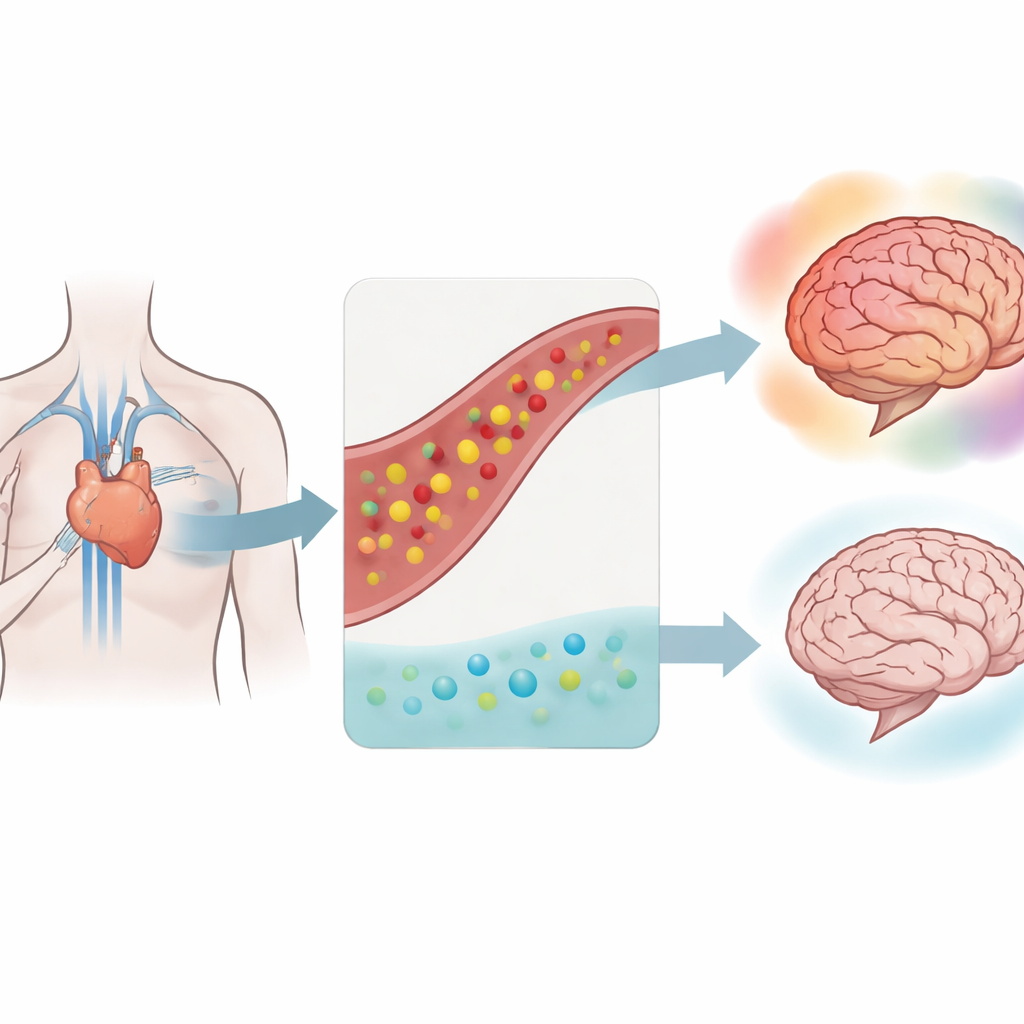
A brief spell of confusion with long‑term impact
Delirium after surgery is more than just feeling groggy. It is an abrupt disturbance in thinking and awareness that can last hours to days. In heart surgery, where the body and brain endure major physiological stress, delirium is common and linked to longer hospital stays, higher chances of dying, and possible long‑term memory and thinking problems. Because many factors contribute—age, other illnesses, anesthesia, and more—clinicians need simple, reliable markers that flag high‑risk patients early instead of waiting for confusion to appear at the bedside.
A new way to read stress in blood sugar
Rather than looking at a single blood sugar reading in isolation, the researchers focused on the “stress hyperglycemia ratio,” or SHR. This ratio compares how high a patient’s blood sugar rises during the first day after surgery against their usual long‑term level, estimated from a laboratory test called HbA1c. In other words, it captures how sharply blood sugar spikes in response to surgical stress, taking into account what is normal for that individual. Using a large public intensive‑care database from a Boston hospital, the team studied 1,830 adults who had heart valve surgery and then went to the intensive care unit. They excluded people with pre‑existing serious brain conditions or missing key measurements.
What the numbers revealed about risk
The researchers tracked whether each patient developed delirium during the first seven days after surgery, using a standard bedside screening method. Overall, nearly one in five patients (17.8%) experienced delirium. When the team compared those who did and did not become delirious, the affected group tended to be older, sicker, and to have higher SHR values. After adjusting for a wide range of other factors—age, other medical conditions, severity of illness scores, type of heart valve operation, and treatments such as sedatives, life support, and kidney therapy—SHR still stood out. For every stepwise rise in SHR, the odds of delirium increased, even when standard blood sugar or long‑term glucose measures alone did not show the same predictive power.
Dividing patients into lower‑ and higher‑risk groups
To make the results more practical for clinicians, the investigators identified a cutoff value that best separated patients with and without delirium. Patients above this SHR threshold formed a “high‑SHR” group, while those below it were “low‑SHR.” People in the high‑SHR group were about one‑and‑a‑half times more likely to develop delirium than those in the low‑SHR group, even after careful statistical adjustments and matching patients with similar backgrounds. High‑SHR patients also tended to stay longer in intensive care and had higher death rates at both 28 and 90 days after surgery, suggesting that the same stress response that disturbs the brain may also reflect or drive broader organ stress.
How stress‑related sugar surges might disturb the brain
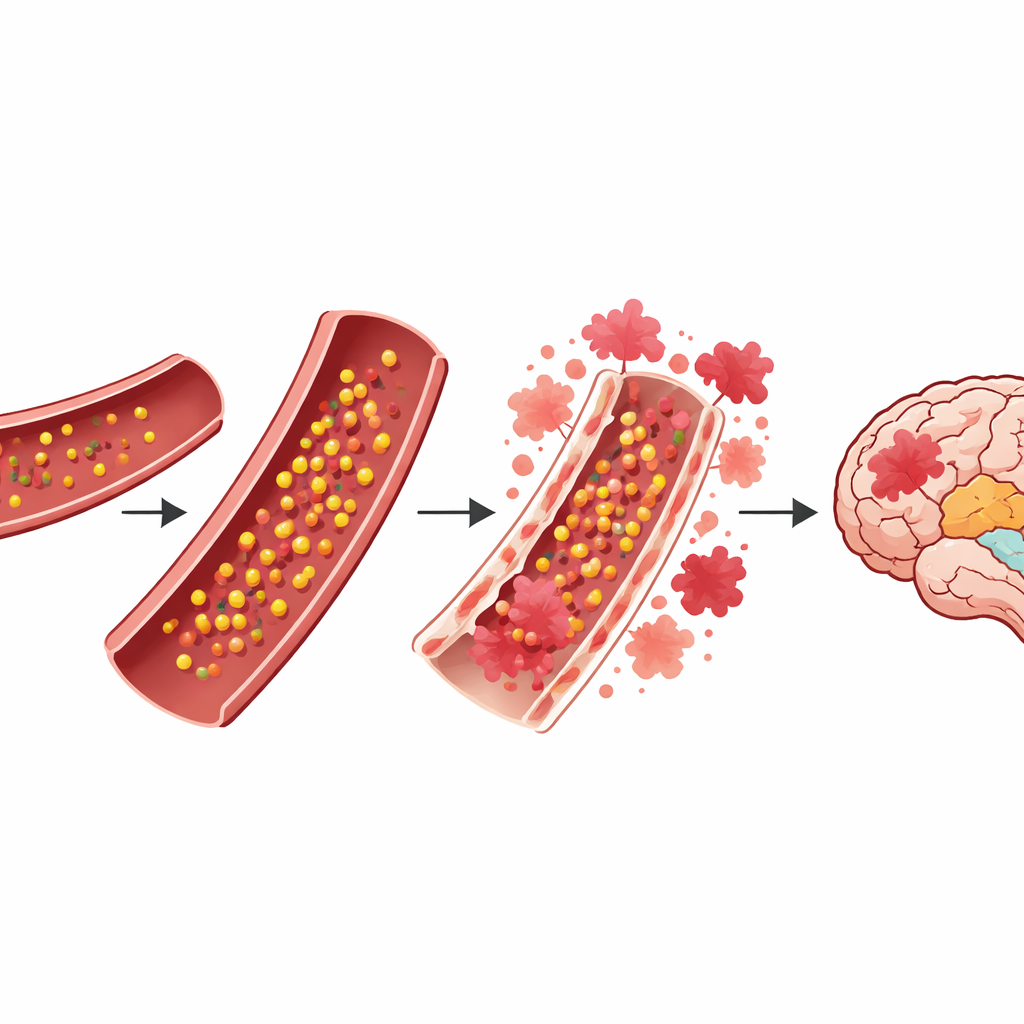
The authors discuss several biological pathways that may link sharp stress‑induced sugar spikes to changes in thinking. Sudden high blood sugar can fuel inflammation and oxidative stress—chemical reactions that damage cells—throughout the body and inside blood vessels supplying the brain. These processes can weaken the barrier that normally protects the brain from harmful substances, allowing inflammatory signals and toxic byproducts to disrupt brain networks involved in attention and awareness. Evidence from animal models and studies in other illnesses, such as pneumonia and heart failure, supports this chain of events, strengthening the idea that a high SHR marks a brain at risk.
What this means for patients and care teams
This study suggests that the stress hyperglycemia ratio is a useful red flag for delirium and poor outcomes after heart valve surgery. Because it relies on routine laboratory tests already collected in most hospitals, SHR could easily be incorporated into postoperative monitoring to help identify patients who might benefit from closer observation, brain‑friendly care practices, or tighter management of blood sugar. At the same time, the authors caution that SHR is not a stand‑alone crystal ball; it should complement, not replace, existing risk assessments and clinical judgment. Still, by turning a short‑lived sugar surge into a meaningful signal, SHR may offer doctors a clearer window into how the body’s stress response shapes the brain’s recovery after major heart surgery.
Citation: Zhang, L., Zhang, X., Wang, Q. et al. The stress hyperglycemia ratio as a novel risk marker for postoperative delirium after cardiac valve surgery. Sci Rep 16, 11517 (2026). https://doi.org/10.1038/s41598-026-41714-w
Keywords: postoperative delirium, heart valve surgery, stress hyperglycemia, intensive care, surgical recovery