Clear Sky Science · en
CFD protein deficiency induce slow transit constipation is correlated with gut microbial dysbiosis
Why this matters for everyday health
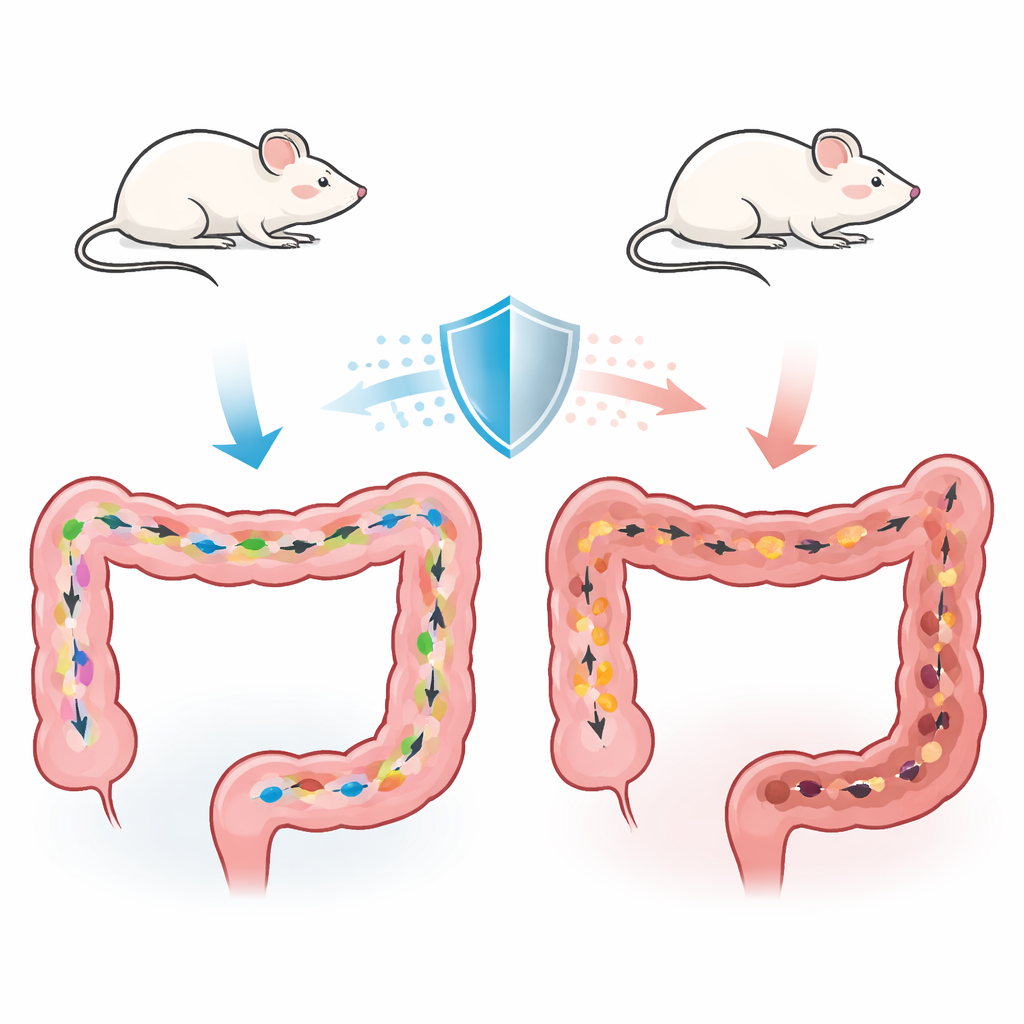
Constipation is a common, often frustrating problem, yet its root causes are still being uncovered. This study in mice reveals that a little-known immune protein in the blood, called complement factor D (CFD), quietly helps keep gut bacteria in balance and the colon lining healthy. When CFD is missing, the animals develop a form of long‑lasting constipation linked to disturbed gut microbes and damage to the colon wall. The work hints that, beyond diet and lifestyle, our immune system and resident bacteria together shape how smoothly our intestines move.
A hidden immune helper in the bloodstream
CFD is part of the “complement” system, a network of blood proteins that helps the body recognize and clear microbes. It acts as a key starter enzyme in one of the complement pathways, enabling other components to attach to and destroy unwanted bacteria. CFD has been tied to kidney, heart, and age‑related diseases, but its role in the gut had barely been explored. Earlier work on another complement protein, C3, hinted that disrupting this system might slow intestinal movement and change gut microbes, but whether CFD itself mattered for bowel function was unknown.
When the protein is missing, the gut slows down
The researchers created mice that completely lacked CFD and compared them with normal animals. Although both groups ate similarly, the CFD‑deficient mice produced fewer stools, with lower water content, and it took longer for material to travel through their intestines—classic signs of slow transit constipation. The overall length of the gut was unchanged, but a key marker on specialized “pacemaker” cells that drive intestinal motion, a protein called C‑kit, was markedly reduced in the colon of CFD‑deficient mice. This pattern matches a well‑recognized form of constipation in humans in which the colon moves sluggishly without becoming narrowed.
Colon injury and disturbed gut residents
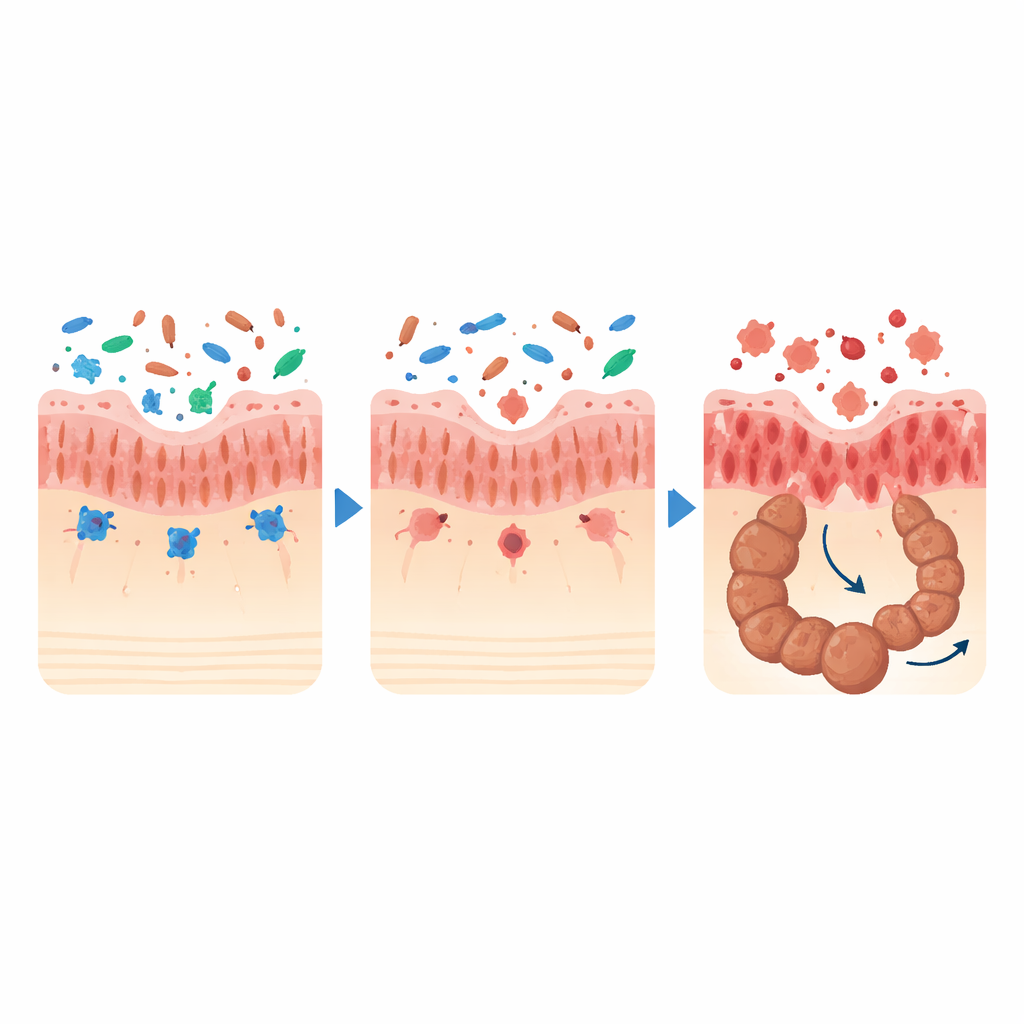
Looking more closely at the tissue, the team found that the small intestine looked largely normal, but the colon of CFD‑deficient mice showed signs of inflammation: immune cells had infiltrated the wall, and genes for inflammatory messengers IL‑17 and IL‑6 were turned up. The mucus layer that normally coats and protects the colon, marked by the MUC2 protein, was weaker. At the same time, products of complement activation (C3 breakdown fragments) were abnormally deposited in the colon, suggesting that the fine control of this immune cascade was disturbed rather than simply “turned off.” Because such changes often go hand‑in‑hand with shifts in gut microbes, the team examined the fecal microbiota.
Microbial imbalance linked to inflammation and movement
CFD‑deficient mice had fewer bacterial colonies in their stools and lower microbial diversity than their healthy counterparts. Sequencing of bacterial DNA showed that entire groups of microbes had shifted: some families and genera increased, others decreased. Statistical analysis connected specific microbes with features of disease. Certain bacteria were associated with longer transit times, higher inflammatory markers, and lower C‑kit levels, while others showed the opposite pattern. These findings support the idea that CFD loss reshapes the microbial community in ways that both stir inflammation and interfere with the colon’s built‑in rhythm.
Resetting the gut community to restore function
To test whether microbes were driving the constipation, the scientists treated CFD‑deficient mice with antibiotics to clear most gut bacteria, then transplanted fecal microbes from healthy mice. After this fecal microbiota transplantation, stool number, output, and water content improved, colon inflammation subsided, and C‑kit levels in the colon returned to near‑normal. This shows that a healthier microbial community can largely reverse the constipation‑like state in these animals, even though the CFD defect remains.
What this means for constipation and future care
In simple terms, this study suggests that CFD helps the gut’s immune defenses keep microbes in balance and the colon lining intact. When CFD is missing, the complement system misfires, the microbial community becomes disturbed, the colon wall inflames and loses its protective mucus, and the cells that coordinate muscular waves are damaged—together leading to slow transit constipation. While the work was done in mice and whole‑body CFD loss is rare in people, it adds to growing evidence that chronic constipation can arise from subtle immune‑microbe‑nerve interactions, not just diet or behavior. In the future, carefully targeted microbiota‑based therapies or ways to fine‑tune complement activity might offer new options for hard‑to‑treat constipation.
Citation: Hu, S., Liu, H., Song, F. et al. CFD protein deficiency induce slow transit constipation is correlated with gut microbial dysbiosis. Sci Rep 16, 12308 (2026). https://doi.org/10.1038/s41598-026-41597-x
Keywords: slow transit constipation, gut microbiota, complement system, colon inflammation, fecal microbiota transplantation