Clear Sky Science · en
Targeting the metabolic fingerprint of amino acids to identify novel metabolic characteristics in osteosarcoma patients undergoing anthracycline treatment
Why this matters for cancer patients’ hearts
Chemotherapy drugs save lives, but some can quietly weaken the heart long before patients feel anything wrong. This study asks a practical, urgent question: can we spot early warning signs in the blood—long before standard heart scans show damage—in people with bone cancer receiving a common drug called anthracycline? By tracking tiny changes in amino acids and related molecules, the researchers hope to flag patients at risk of heart trouble while there is still time to protect them.
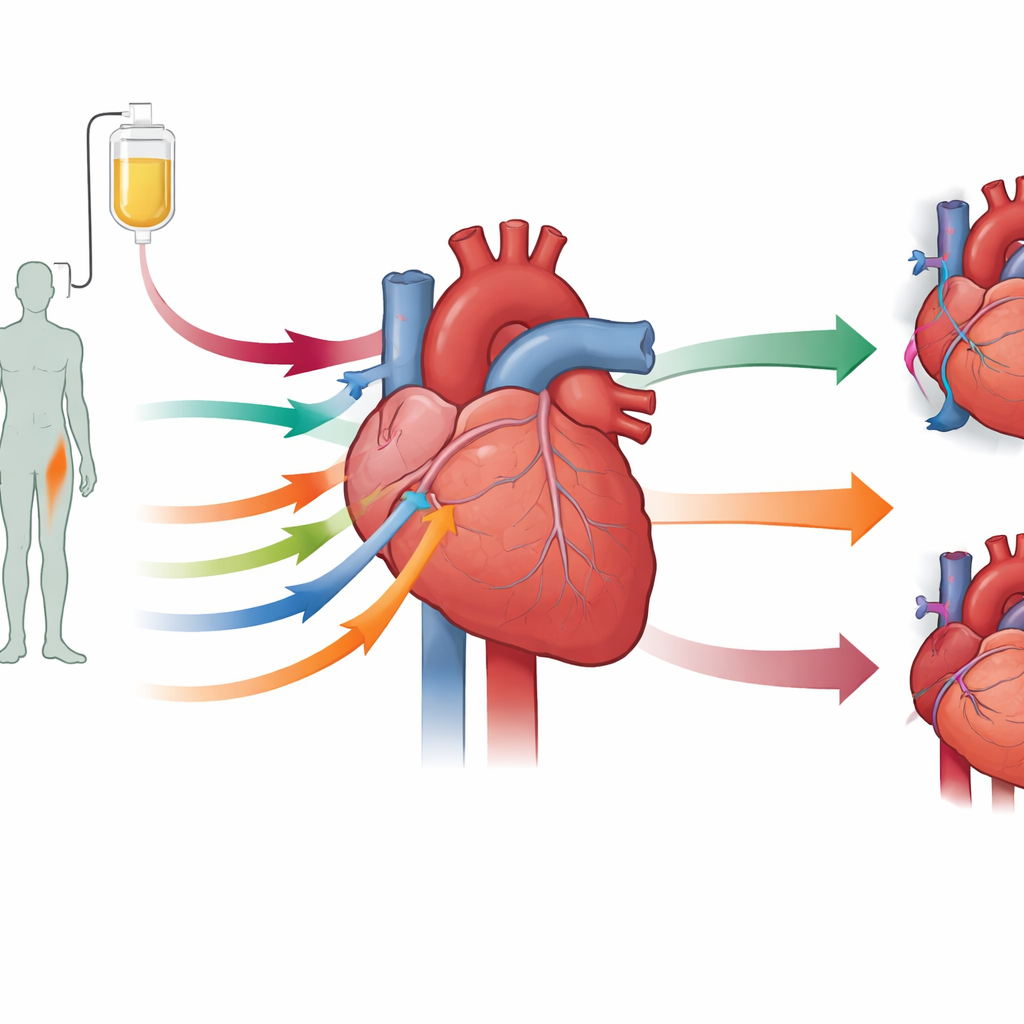
The cancer drug with a hidden cost
Anthracyclines are powerful medicines widely used to treat solid tumors, including osteosarcoma, the most common primary bone cancer. They have helped push five-year survival for many patients into the 60–70% range. Yet these drugs carry a serious drawback: they can damage the heart muscle, sometimes years after treatment, leading to enlargement of the heart and heart failure. The risk rises with the total dose received, but doctors still struggle to predict which individual patient will actually develop heart problems. Traditional tools such as echocardiograms, which measure how strongly the heart pumps, often detect trouble only after significant injury has already occurred.
Following the chemical clues in blood
The heart is a relentless engine that burns a mix of fuels—sugars, fats, and amino acids—to keep beating. When its energy machinery falters, these fuel molecules and their by-products can shift in subtle but detectable ways. The team studied 40 osteosarcoma patients at a single hospital in Beijing, half of whom had already undergone several months of anthracycline treatment and half of whom had not yet received the drug. Using a highly sensitive technique called mass spectrometry, they measured 48 different amino acids and closely related compounds in blood samples taken after an overnight fast, looking for distinct patterns between treated and untreated patients.
A distinct metabolic fingerprint emerges
When the researchers compared the two groups, they found a small but clear set of chemical differences. Levels of the amino acid arginine were higher in treated patients, while threonine was lower. Six other molecules, all belonging to a family called acylcarnitines that help transport fats into cell power stations (mitochondria), were also elevated after treatment. Together, these eight molecules formed a metabolic “fingerprint” of anthracycline exposure. Statistical tests showed that several of the acylcarnitines, in particular, were reasonably accurate at distinguishing treated from untreated patients. Importantly, these shifts appeared even though standard heart-pumping measures on ultrasound had not yet worsened, suggesting that the metabolism of the heart may be disturbed before classic signs of weakness appear.
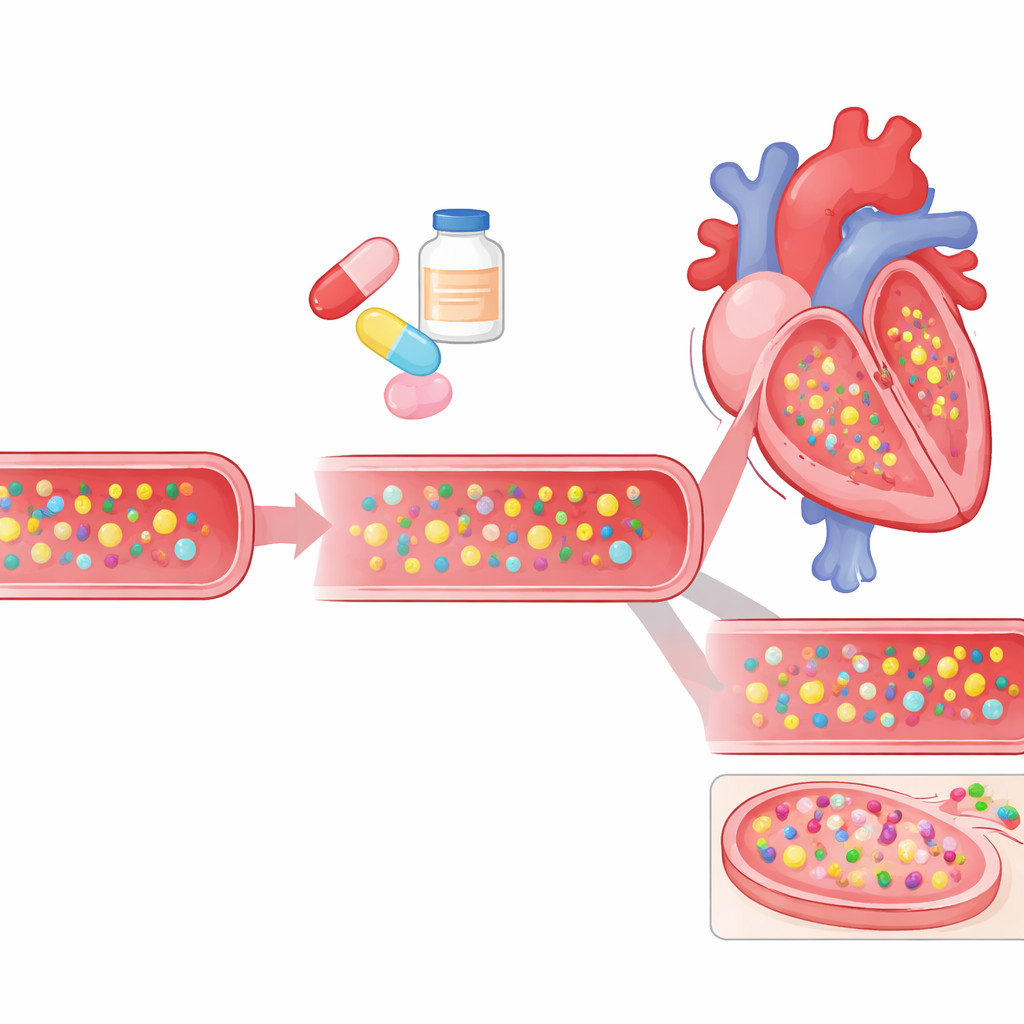
What these changes might mean inside the heart
The pattern of raised acylcarnitines points to a stressed energy system inside heart cells. When mitochondria cannot completely burn fats, intermediate compounds tend to accumulate in the blood. This fits with earlier work showing that anthracyclines can damage mitochondrial DNA and stir up harmful oxygen-containing molecules. The altered amino acids may also reflect the heart’s attempt to adapt. Extra arginine could signal efforts to boost blood vessel function, while falling threonine may mark a shift in how cells handle stress and build new proteins. The study cannot yet prove whether these changes are causing harm or simply mirroring it, but it strengthens the idea that early anthracycline effects show up first in chemistry, not in structure.
Steps toward earlier warning and protection
For patients and clinicians, the key takeaway is that a focused blood test panel might one day help identify those whose hearts are under quiet strain during chemotherapy. If validated in larger, longer-term studies, such metabolic fingerprints could trigger closer cardiology follow-up or early use of heart-protective drugs, rather than waiting for pumping function to drop. The work is still preliminary and limited by the small number of patients and single cancer type, but it offers a promising glimpse of a future where cancer therapy is paired with personalized heart monitoring, helping survivors keep both their lives and their long-term heart health.
Citation: Li, S., Hong, Y. & Cui, L. Targeting the metabolic fingerprint of amino acids to identify novel metabolic characteristics in osteosarcoma patients undergoing anthracycline treatment. Sci Rep 16, 11255 (2026). https://doi.org/10.1038/s41598-026-41411-8
Keywords: anthracycline cardiotoxicity, osteosarcoma, amino acid metabolism, metabolomics, cancer survivorship