Clear Sky Science · en
Prognostic value of blood urea nitrogen to albumin ratio in critically ill cirrhotic patients with ascites
Why this matters for patients and families
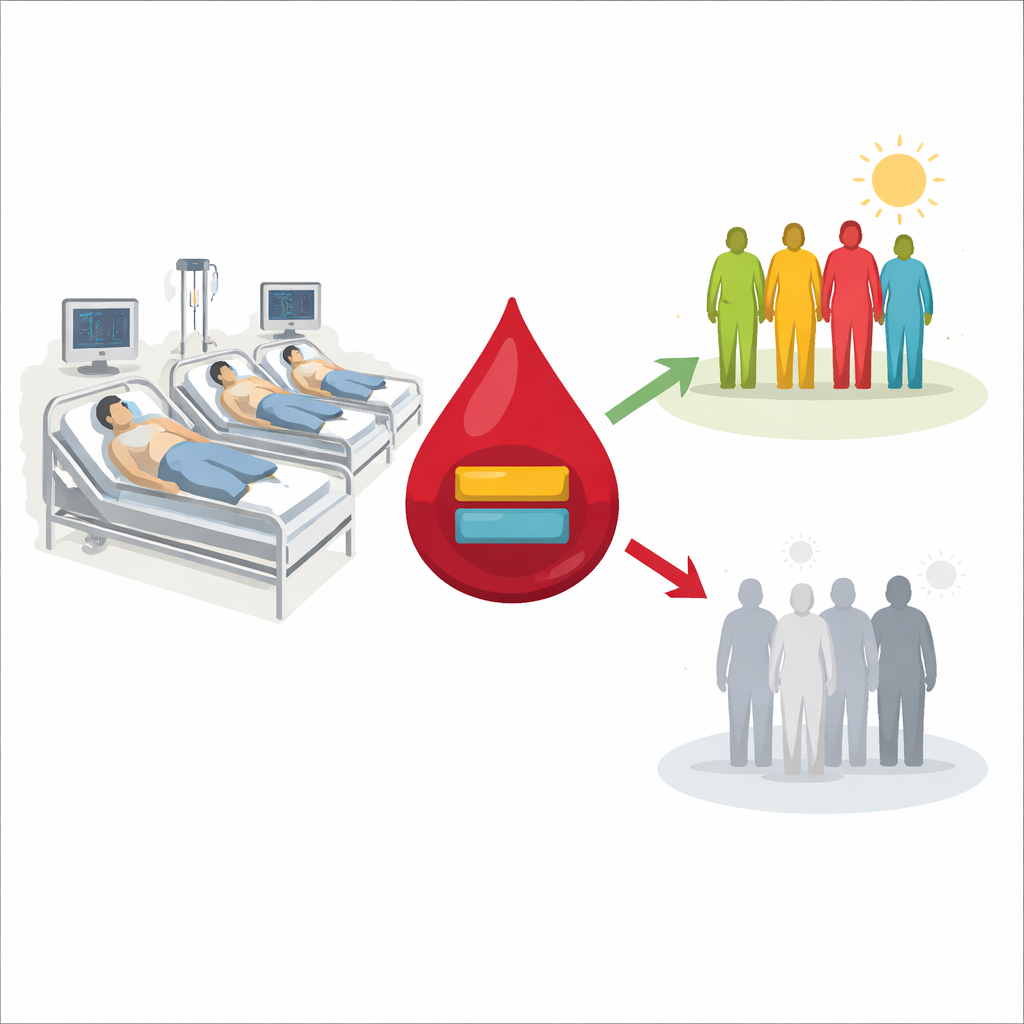
People with advanced liver disease often develop a build-up of fluid in the belly, called ascites, and many end up in intensive care units where the risk of dying is high. Families and doctors urgently want to know: who is most in danger, and who might recover? This study explores whether a simple number calculated from two common blood tests can help answer that question and guide timely care.
A simple number from routine blood tests
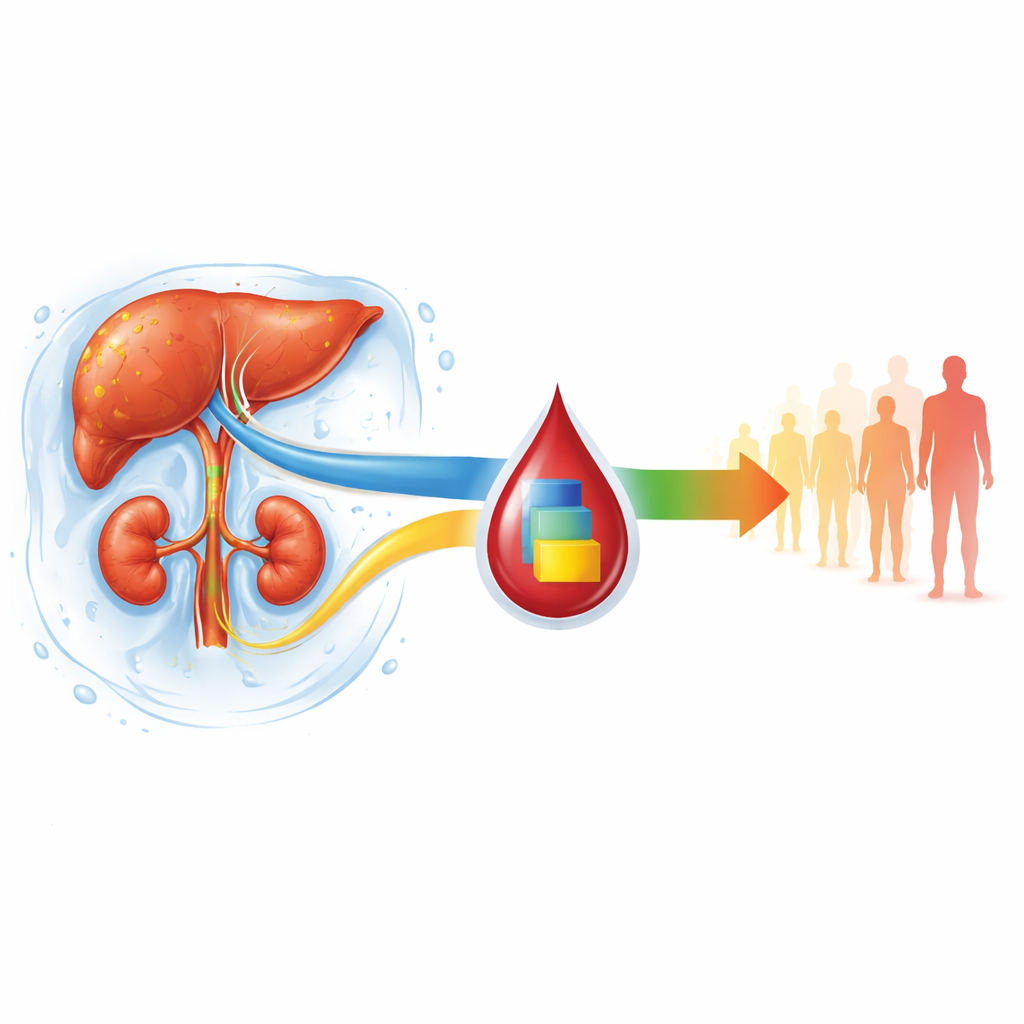
The researchers focused on the blood urea nitrogen-to-albumin ratio, or BAR. Blood urea nitrogen reflects how well the kidneys are clearing waste, while albumin is a main blood protein made by the liver that also mirrors overall nutrition and illness severity. Both tests are already ordered routinely in hospitals. By combining them into a single ratio, BAR may capture the combined strain on the liver, kidneys, circulation, and nutritional state in very sick patients with cirrhosis and fluid build-up.
Who was studied and what was measured
The team analyzed records from 1,516 adults with cirrhosis and ascites admitted to intensive care units at a Boston hospital, using the large public MIMIC-IV database. All patients had blood drawn within 24 hours of ICU admission, and BAR was calculated from those results. The researchers then tracked who died within 30 days and 90 days. They compared outcomes across groups with lower, medium, and higher BAR values, and used standard statistical approaches to account for differences in age, other illnesses like heart or kidney disease, lab values, and widely used ICU severity scores.
Higher ratios meant higher risk
Patients with higher BAR values were more likely to die in the short and medium term. Those who did not survive had noticeably higher BAR levels than survivors. Survival curves showed that people in the highest BAR group had the steepest drop in survival over both 30 and 90 days, while those in the lowest group fared best. Even after adjusting for many other risk factors, every step up in BAR was linked with a higher chance of death. When the researchers treated BAR as categories, the risk rose steadily from the lowest to the highest group, reinforcing that this ratio tracks with danger in a graded way.
A subtle "sweet spot" and added value to existing scores
When the authors looked more closely, they found a U-shaped pattern: very high BAR values were clearly dangerous, but extremely low values also carried more risk, likely signaling severe liver failure with very low urea production. Most of the extra risk, however, lay on the high side of the curve. On its own, BAR predicted death about as well as some traditional liver scores, and not as well as more complex ICU scales. Yet when BAR was added to several of these scoring tools, its simple information about kidney stress and low albumin often improved their ability to sort higher- from lower-risk patients, especially for certain scores that were previously less detailed.
What this could mean for care
For patients with severe liver disease and fluid in the belly, this work suggests that a ratio calculated from two routine blood tests taken on the first ICU day can flag those most likely to die within weeks to months. BAR is quick, inexpensive, and easy to compute at the bedside, and it appears to sharpen existing risk tools rather than replace them. While the findings need to be confirmed in future, forward-looking studies at multiple hospitals, BAR may become a practical early warning signal that helps doctors prioritize monitoring, tailor treatments, and talk more clearly with patients and families about what to expect.
Citation: Duan, Y., Sui, W., Cai, Z. et al. Prognostic value of blood urea nitrogen to albumin ratio in critically ill cirrhotic patients with ascites. Sci Rep 16, 10164 (2026). https://doi.org/10.1038/s41598-026-41107-z
Keywords: liver cirrhosis, ascites, intensive care, prognostic biomarker, blood urea nitrogen albumin ratio