Clear Sky Science · en
Effects of conservative interventions on plantar pressure in individuals with flat foot: a systematic review and meta-analysis
Why tired, achy feet matter
Many people have “flat feet,” where the arch on the inside of the foot collapses more than usual when standing or walking. That extra collapse can change how weight is spread across the sole, sometimes leading to sore feet, knees, hips, or even low back pain. This paper pulls together results from 28 separate studies to ask a practical question: which simple, non-surgical treatments—like exercises, taping, special insoles, or shoes—actually change how pressure is distributed under flat feet, and might therefore help people feel and move better?
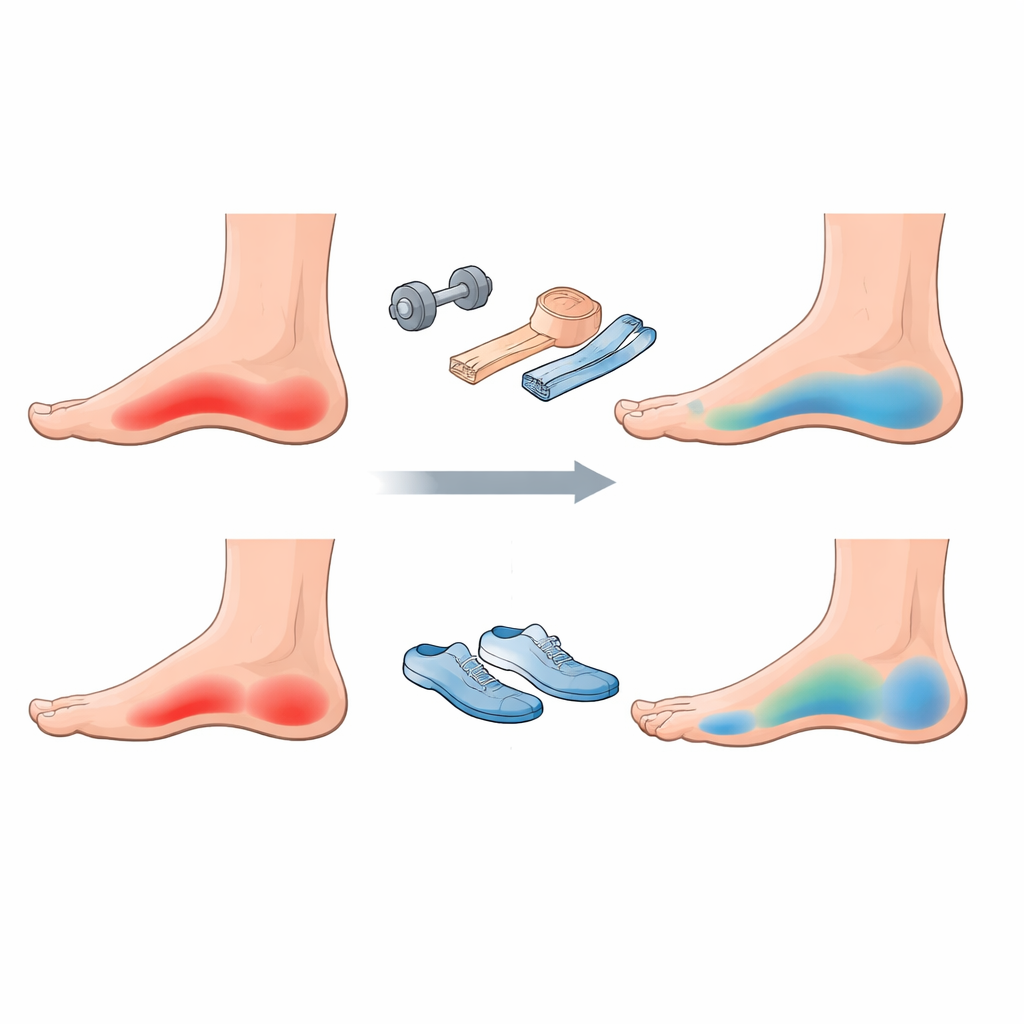
How flat feet change the way you walk
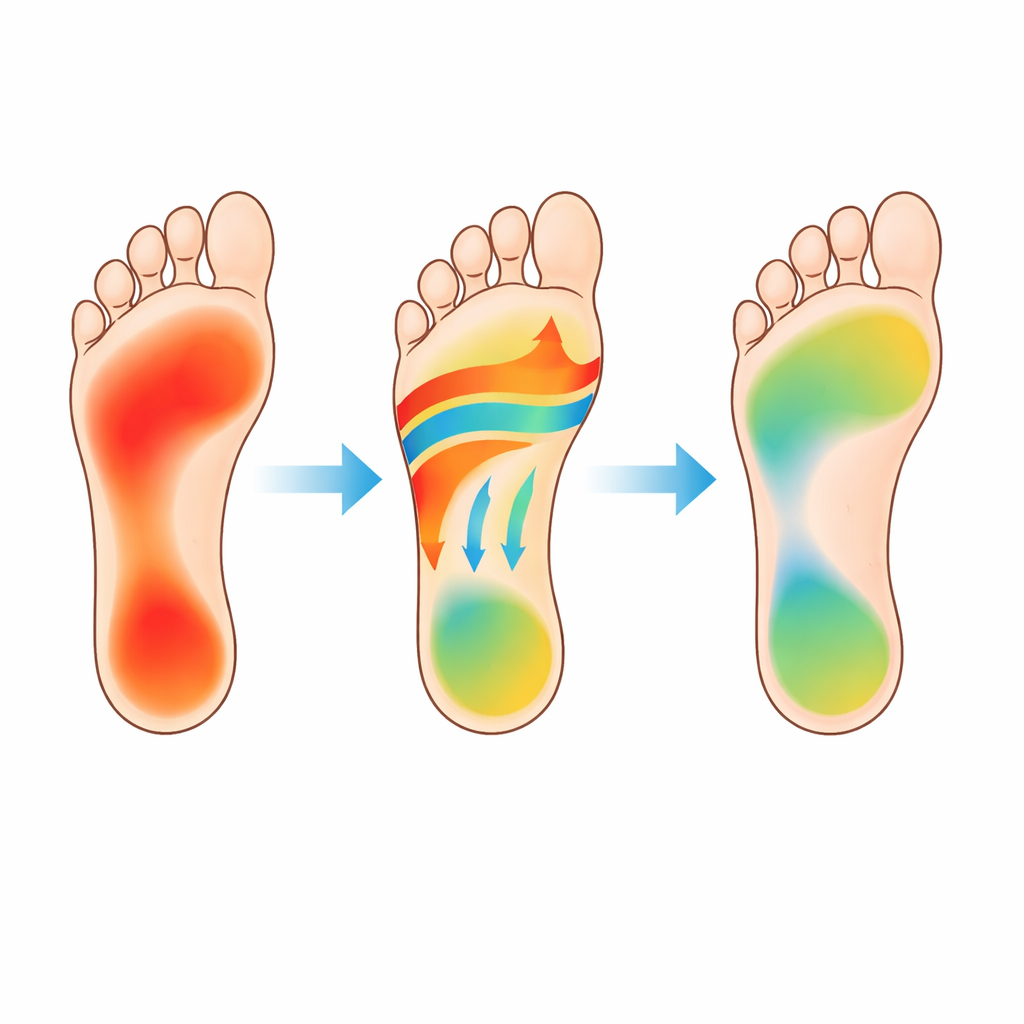
With a well-shaped arch, body weight rolls from the heel along the outer edge of the foot and then across the ball toward the big toe. In flexible flat feet, the arch sinks inward and stays that way longer during each step. This shifts more pressure toward the inside of the midfoot and forefoot. Over time, that extra loading can irritate soft tissues, strain joints, and raise the risk of overuse injuries. Modern pressure mats and in-shoe sensors can map these high-pressure zones in detail, letting researchers see whether treatments truly nudge forces back toward a healthier pattern.
What the researchers looked at
The authors searched four major medical databases up to early 2025 and found 28 suitable studies involving 815 mostly young to middle-aged adults with flexible flat feet. These studies tested four main conservative approaches: strengthening exercises for the foot and leg muscles; taping techniques that support the arch from the outside; insoles placed inside shoes; and specially designed footwear. They analyzed how each option altered peak and average pressures in different regions of the sole—heel, midfoot, forefoot, and toes—using a standardized approach to combine data and judge how strong the overall evidence is.
Foot exercises: training the arch from within
Exercise programs focused on the small muscles in the foot and on key supporters like the tibialis posterior, sometimes combined with hip strengthening. Across several controlled trials, exercise produced a clear drop in pressure under the inner heel, a region that tends to be overloaded in flat feet. This shift suggests the rear of the foot is better controlled and the arch is working more like it should. Changes in midfoot pressure were smaller and less consistent, but exercise often improved arch height and balance. One catch is timing: studies followed people for at most eight weeks, and other research suggests these gains can fade within a few months if exercises are stopped, hinting that ongoing practice may be needed.
Taping and insoles: quick, mechanical support
Taping the foot—using methods such as low-Dye or elastic sports tape—produced some of the strongest and most immediate changes in pressure patterns. Taping tended to reduce stress under the inner and middle forefoot while increasing it under the lesser toes and parts of the outer foot. In other words, it temporarily shifted load away from the areas most at risk in flat feet. However, these effects typically lasted only hours after tape removal, making taping more of a short-term aid than a long-term fix. Insoles told a more mixed story. Some designs with built-up arches or tailored pressure-redistribution features improved how weight was spread and boosted walking efficiency. Others actually increased pressure under the inner midfoot, potentially trading one problem for another. Overall, insoles seem helpful for certain designs and individuals, but they are not automatically beneficial for everyone with flat feet.
Special shoes and what this means for daily life
Only a small number of studies examined motion-control or cushioned shoes. These models often increased the contact area in the midfoot and shifted some pressure away from the heel, but they could also create new high-pressure spots, especially along the outer midfoot and inner forefoot. Interestingly, wearers often reported feeling more comfortable and stable even when pressure maps looked less ideal. Taken together, the findings suggest that the best real-world strategy may combine approaches: using taping as a short-term trial to see if mechanical support helps, choosing insoles or footwear that demonstrably improve pressure patterns for a given person, and building a steady habit of arch-strengthening exercises.
What this means for people with flat feet
For someone living with flat feet, this review offers cautious optimism. Simple measures—foot exercises, taping, insoles, and shoe choices—can all reshape how pressure is spread across the sole, at least in the short term, and may ease discomfort and improve function without surgery. The most consistently helpful approach appears to be targeted exercise that trains the foot’s own support system, potentially backed up by carefully chosen insoles or taping during higher-demand activities. But because most studies were small and brief, we still do not know how long these benefits last. The authors call for longer, higher-quality trials so that people with flat feet and their clinicians can tailor treatments based not just on comfort, but on proven, lasting changes in how the foot handles everyday loads.
Citation: Mahmoudiyan, V., Minoonejad, H., Khorramroo, F. et al. Effects of conservative interventions on plantar pressure in individuals with flat foot: a systematic review and meta-analysis. Sci Rep 16, 9867 (2026). https://doi.org/10.1038/s41598-026-40771-5
Keywords: flat feet, plantar pressure, foot exercises, taping, orthotic insoles