Clear Sky Science · en
Preliminary reference range for B cell subpopulations in peripheral blood of healthy Malaysian children aged 2–15 years
Why this matters for children’s health
When a child has frequent or unusual infections, doctors often look at the body’s defender cells in the blood for clues. Among these defenders, B cells are key because they make antibodies and long‑lasting immune memory. To judge whether a child’s B cells look healthy, physicians need “normal ranges” from children who are well. This study set out to build those reference values for different types of B cells in healthy Malaysian children, so that future patients can be compared more accurately and diagnosed more confidently.
Different jobs within the B cell family
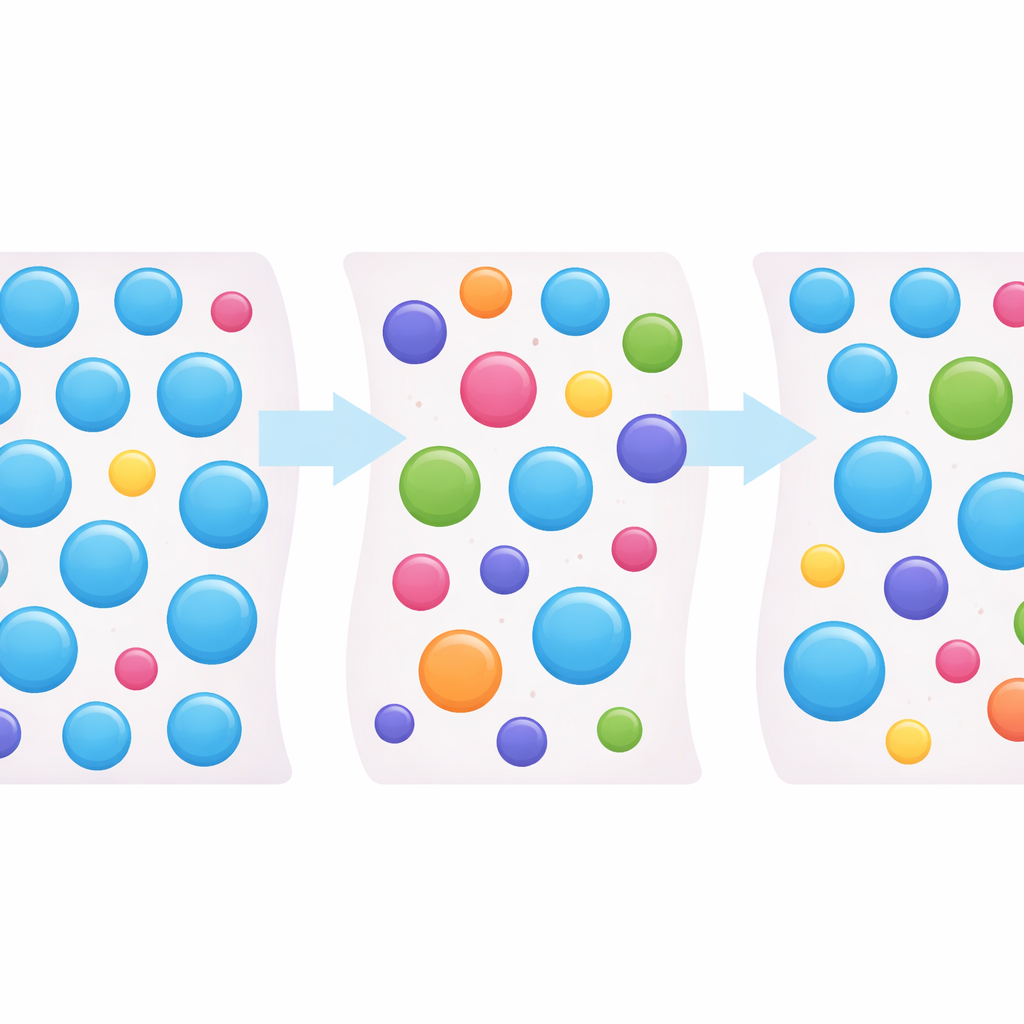
B cells do not all look or behave the same. They grow up through stages, starting as fresh recruits and ending as specialists that remember past germs. Early on, cells called transitional B cells leave the bone marrow and enter the blood. They mature into naïve B cells, which have not yet met their targets but are ready to respond. After an infection or vaccination, some of these naïve cells become memory B cells, which provide long‑term protection, and a small fraction become plasmablasts, short‑lived factories that churn out antibodies. By counting how many cells sit in each of these stages, doctors can spot when the immune system is not developing as expected.
How the study was carried out
The researchers enrolled 75 healthy Malaysian children between 2 and 15 years of age who had received routine childhood vaccinations and had no chronic illnesses or recent infections. They grouped the children into three age brackets: 2–4, 5–9, and 10–15 years. Using a technique called flow cytometry, they labelled blood cells with fluorescent tags that stick to specific surface markers. This allowed them to tell apart total B cells, transitional cells, naïve cells, several types of memory cells, and plasmablasts. For each child they measured both the percentage of each B cell type and the absolute number per unit of blood, then calculated typical ranges based on the 5th to 95th percentiles for each age group.
How B cells change as children grow
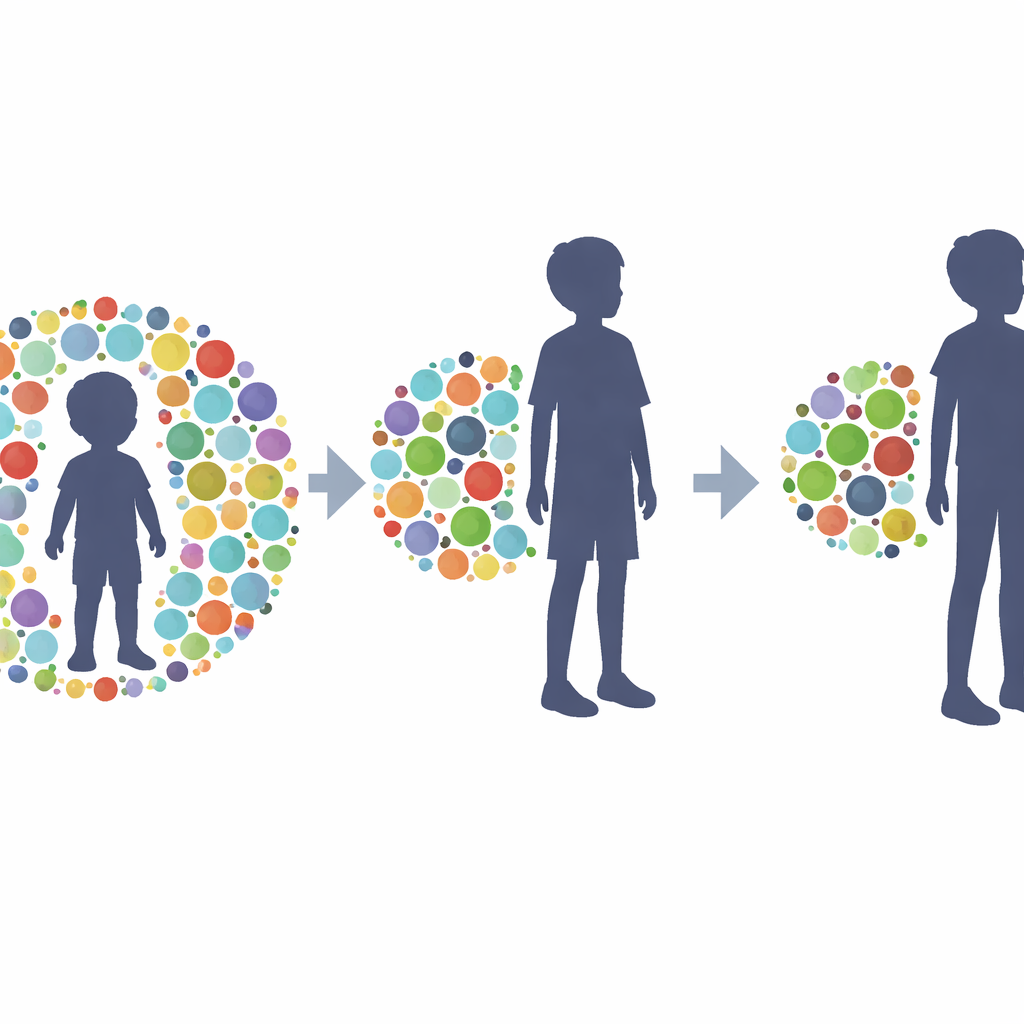
The team found clear age‑related patterns. Overall, the total number of B cells in the blood tended to fall as children grew older, even though the proportion of naïve B cells within the B cell pool slightly increased. Many subtypes, including transitional cells and several memory cell groups, rose from early childhood into the middle age group and then declined again in the oldest group. Plasmablasts remained scarce at all ages, making up less than a tiny fraction of total B cells. These trends suggest that, as children mature, their immune systems shift from producing large numbers of new B cells toward maintaining a more stable pool that balances fresh recruits with experienced memory cells.
Differences between girls and boys
Beyond age, sex also shaped the B cell landscape. Girls in the study had a higher proportion of total memory B cells and class‑switched memory B cells than boys, even though most other B cell types showed no meaningful sex‑based differences. This fits with growing evidence that sex hormones and genes on the X chromosome can influence how strongly the immune system responds and how immune cells develop. It also suggests that what counts as a “normal” B cell pattern may not be identical for girls and boys, something clinicians may need to keep in mind when interpreting test results.
What this means for diagnosing immune problems
Some serious immune disorders, including certain inborn errors of immunity and common variable immunodeficiency, are marked by unusually low numbers of specific B cell subtypes, especially memory cells and plasmablasts. Without local reference ranges, it is difficult to know whether a Malaysian child’s laboratory results are truly abnormal or simply reflect natural population differences. This study offers the first age‑specific guide to B cell subpopulations for Malaysian children, providing a practical tool for paediatricians evaluating suspected immunodeficiency. Although the authors note that their sample size is modest and does not cover infants or all regions of the country, their work lays an essential foundation. Future, larger studies can refine these ranges and explore how environment, infections, and vaccines further shape the developing immune system.
Citation: Jamaluddin, J., Ismail, I.H., Zainal Abidin, M. et al. Preliminary reference range for B cell subpopulations in peripheral blood of healthy Malaysian children aged 2–15 years. Sci Rep 16, 11765 (2026). https://doi.org/10.1038/s41598-026-40720-2
Keywords: pediatric immunology, B cell subsets, primary immunodeficiency, reference ranges, Malaysian children