Clear Sky Science · en
Perineal muscle strength as a predictor of stress urinary incontinence among young parous women in Mangaluru India
Why Leaking Urine Matters for Everyday Life
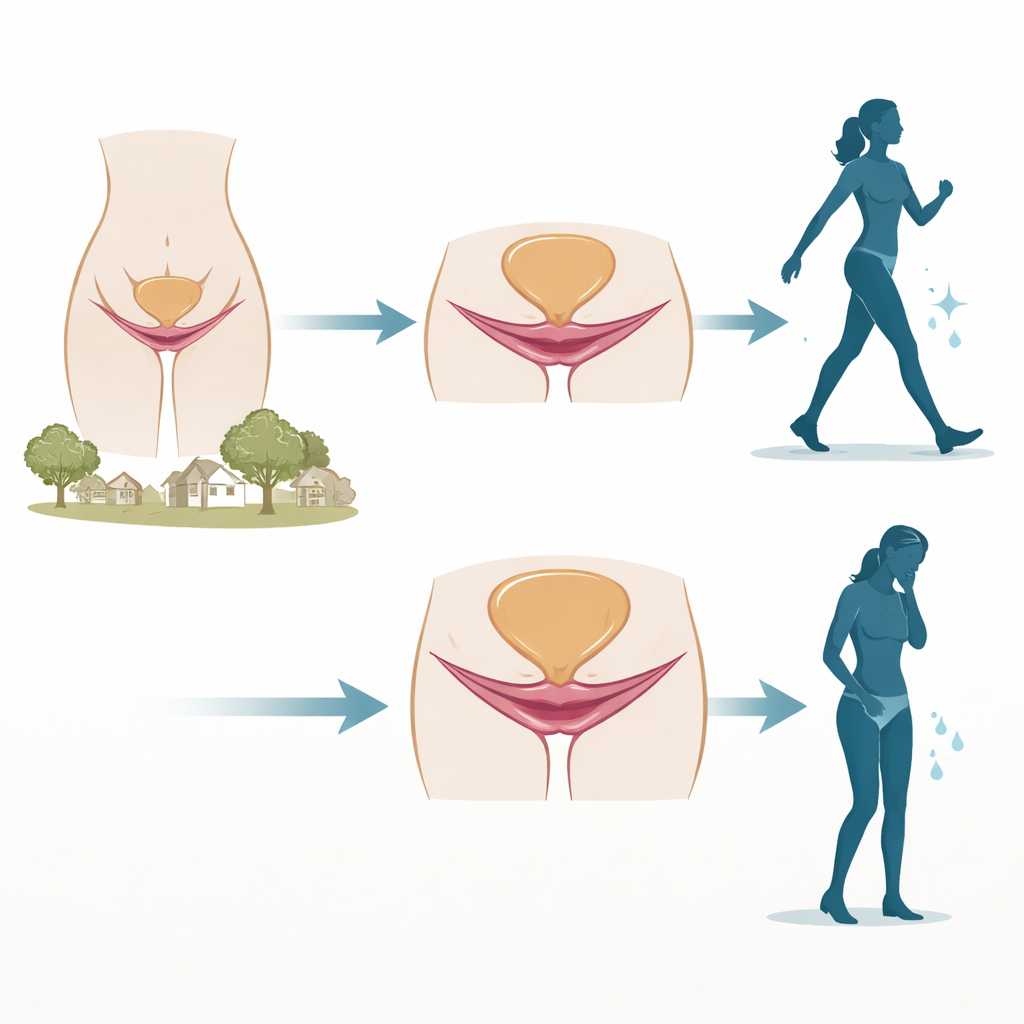
Leaking urine when you cough, laugh, or lift something heavy is far more common than many people realize, yet it is rarely talked about. For women who have given birth vaginally, this problem can quietly shape daily choices—from avoiding exercise to skipping social events. This study from rural Mangaluru in southern India asks a simple but powerful question: how strongly are a woman’s pelvic floor muscles linked to whether she experiences this kind of leakage, known as stress urinary incontinence? The answer could help turn an embarrassing secret into a preventable and manageable health issue, especially in low‑resource communities.
A Common Problem Few Talk About
Stress urinary incontinence happens when physical effort—like sneezing, running, or lifting—puts pressure on the bladder and a small amount of urine escapes. Global research suggests that at least one in four women will face this at some point, and it is especially frequent among those who have given birth vaginally more than once. Many feel too embarrassed to seek help, so the condition is often under‑reported and undertreated. Beyond the physical discomfort, it can limit work, travel, intimacy, and exercise, reducing quality of life and self‑confidence.
The Muscles That Hold Everything Up
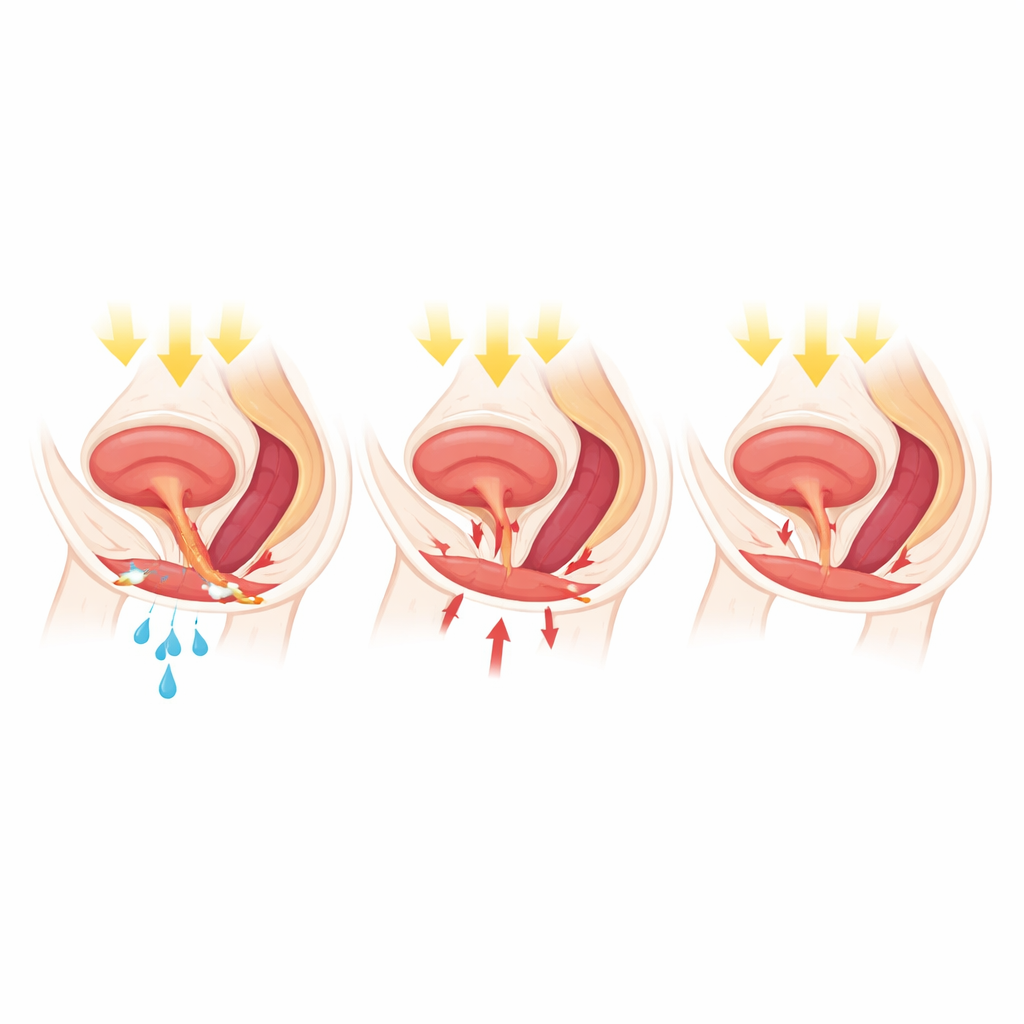
Deep within the pelvis lies a hammock‑like group of muscles that help support the bladder, womb, and bowel. Pregnancy and vaginal birth can stretch or injure these muscles and nearby tissues, weakening the body’s natural support system. When these muscles are strong, they can squeeze and lift to help keep urine in, even when there is a sudden rise in pressure from a cough or jump. When they are weak, the same everyday actions can trigger leaks. The researchers wanted to know how closely the strength of these muscles—measured directly during an internal exam—tracked with the severity of stress urinary incontinence in young mothers.
A Closer Look at Rural Mothers in India
The team carried out a small cross‑sectional pilot study among 65 women aged 25 to 40 years living in selected rural areas around Mangaluru, all of whom had at least one vaginal birth. Women who had recently delivered, were nearing menopause, had nerve or kidney problems, or were already being treated for leakage were excluded. Each participant first underwent a simple “cough test” with a full bladder: if urine escaped during a series of forceful coughs while lying down and standing, the test was considered positive and the amount of leakage roughly graded. Then, using a gloved finger inside the vagina, the examiner rated the strength of the pelvic floor muscles on a six‑point scale, from no movement at all to a very firm, lifting squeeze.
What the Numbers Revealed
Even in this small group, the findings were striking. About 42 percent of the women had some degree of stress urinary incontinence, mostly mild or moderate leakage when standing and coughing. Most had pelvic floor strength in the middle range of the scale. When the researchers compared the two measures, they found a strong negative relationship: women with weaker pelvic floor muscles were much more likely to have more severe leakage. Statistically, this link was very strong (with a correlation value of −0.76). The study also showed that older age within this young‑adult range, older age at first birth, having more vaginal deliveries, and having had an unplanned tear in the perineal area during birth were all tied to worse leakage. By contrast, pelvic muscle strength itself was clearly related only to the age at first delivery.
Simple Checks, Simple Exercises, Big Impact
Although this was a pilot study with only 65 women from one region, its message is practical and hopeful. It suggests that a quick cough test and a brief check of pelvic floor strength—both low‑cost tools that require minimal equipment—can help identify women at higher risk of stress urinary incontinence in everyday clinic or community settings. Because structured pelvic floor exercises are already known to improve symptoms for many women, spotting weakness early could allow nurses and doctors to teach simple contractions before the problem becomes severe. The authors argue that weaving such screening and education into standard maternal health care, especially in low‑resource areas, could protect many women from years of silent suffering, and they call for larger studies to refine and confirm these early findings.
Citation: Amin, A.S., Leena, K.C. Perineal muscle strength as a predictor of stress urinary incontinence among young parous women in Mangaluru India. Sci Rep 16, 13715 (2026). https://doi.org/10.1038/s41598-026-40659-4
Keywords: stress urinary incontinence, pelvic floor muscles, vaginal birth, women’s health, India rural health