Clear Sky Science · en
Coverage and associated factors of inactivated polio vaccine uptake among children aged 12–23 months in Sub-Saharan Africa
Why this matters for every family
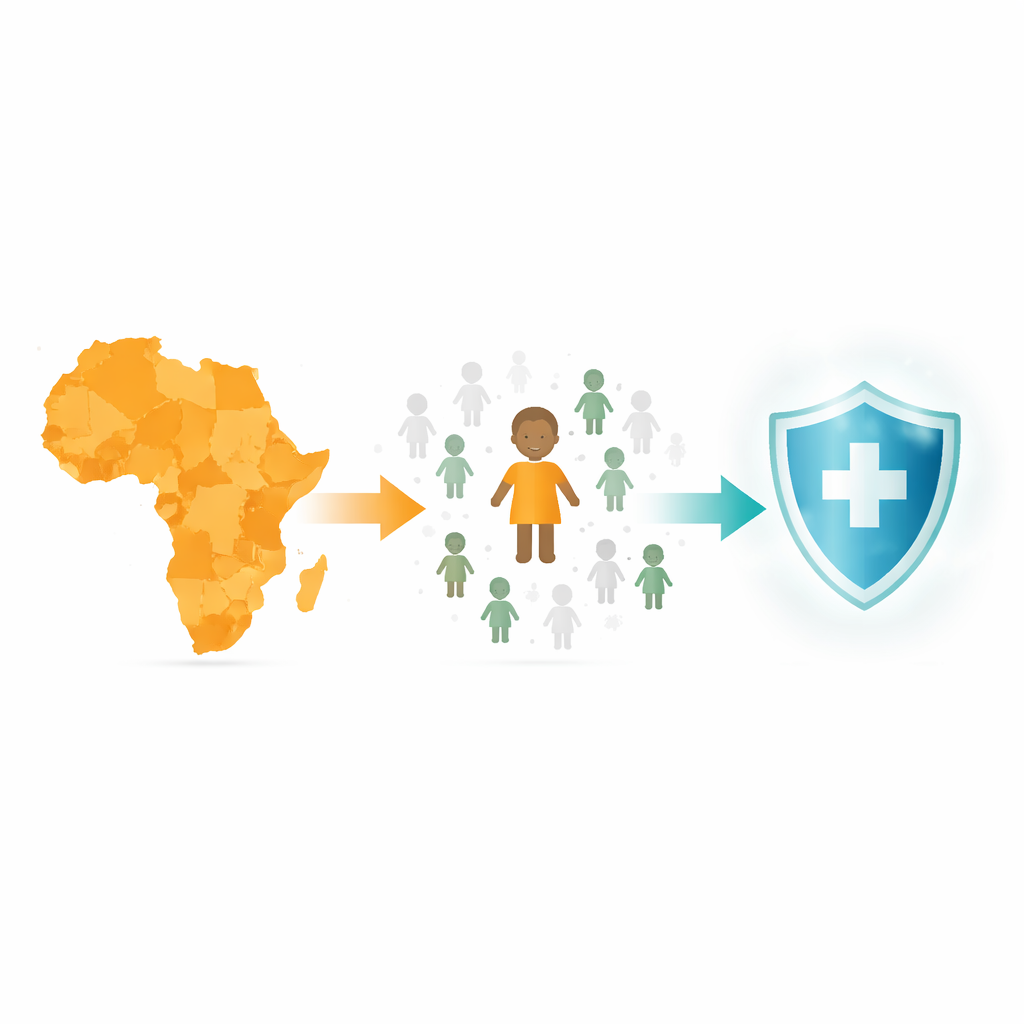
Polio may feel like a disease from the past, but it still threatens children in parts of the world where vaccination does not reach everyone. This study looks at how well a key polio shot, the inactivated polio vaccine, is reaching infants and toddlers in twenty countries across Sub-Saharan Africa. By understanding which children are protected and which are missed, the research points to practical steps that can help families, health workers, and leaders keep the virus from returning.
Taking the pulse of polio protection
The inactivated polio vaccine (IPV) is an injection that protects against all known strains of the virus without the rare side effects linked to the older oral drops. The World Health Organization recommends that babies receive IPV at around 14 weeks of age, often together with the oral vaccine to build strong, lasting immunity. Yet in many low‑income settings, complete vaccination is not guaranteed. To get a clear picture, the authors pooled recent Demographic and Health Survey data from 43,564 children aged 12–23 months in twenty Sub-Saharan African countries, collected between 2016 and 2023. These nationally representative household surveys record, through vaccination cards and caregiver reports, whether each child received IPV.
How the team measured hidden patterns
Because children living in the same community tend to share similar living conditions and access to clinics, the researchers used a type of analysis that can separate what happens at the level of individual families from what happens at the level of villages, districts, and countries. They examined many possible influences: the age, schooling, and marital status of mothers; household wealth; whether mothers attended prenatal and postnatal checkups; where babies were born; how long parents waited between births; urban versus rural residence; and broader community traits such as overall literacy and media exposure. By nesting children within their local clusters and countries, the model could show not only which factors mattered, but also how much vaccination chances differed from one place to another.
Where coverage stands today
The study found that, on average, about two‑thirds of children in the region had received IPV: a pooled coverage of 65 percent. This falls well below the 90 percent level usually considered necessary to stop spread in a community, and below the recent global average of 85 percent. Beneath this headline number lies sharp inequality. Some countries, such as Gambia, had coverage above 90 percent, while others, like Uganda, were near 20 percent. Children in cities were more likely to be vaccinated than those in the countryside, and Southern African countries tended to outperform Central African ones. These patterns highlight not only gaps between nations, but also divides within them, with rural and poorer communities often left behind.
Who is most likely to get the shot
The analysis revealed a network of family and community features that shape a child’s odds of receiving IPV. Children of older mothers, especially those over 35, were more often vaccinated than those of teenage mothers, likely reflecting greater parenting experience and decision‑making power. Mothers with primary or higher schooling were substantially more likely to have vaccinated children than mothers with no formal education, and living in communities where many women can read and write further boosted uptake. Health service contact made a particularly large difference: mothers who attended several prenatal visits, delivered in a health facility, or received postnatal care were far more likely to have children who got IPV. Regular exposure to mass media also helped, probably by spreading trustworthy information about vaccines. Longer gaps between births, which may ease financial and caregiving strain, were linked with better vaccination as well. Urban residence increased the chances of immunization, reflecting easier access to clinics and outreach. Interestingly, the wealthiest households showed slightly lower IPV uptake than the poorest, hinting at possible vaccine hesitancy or preference for private care that does not always prioritize routine childhood shots.
What these findings mean for the fight against polio
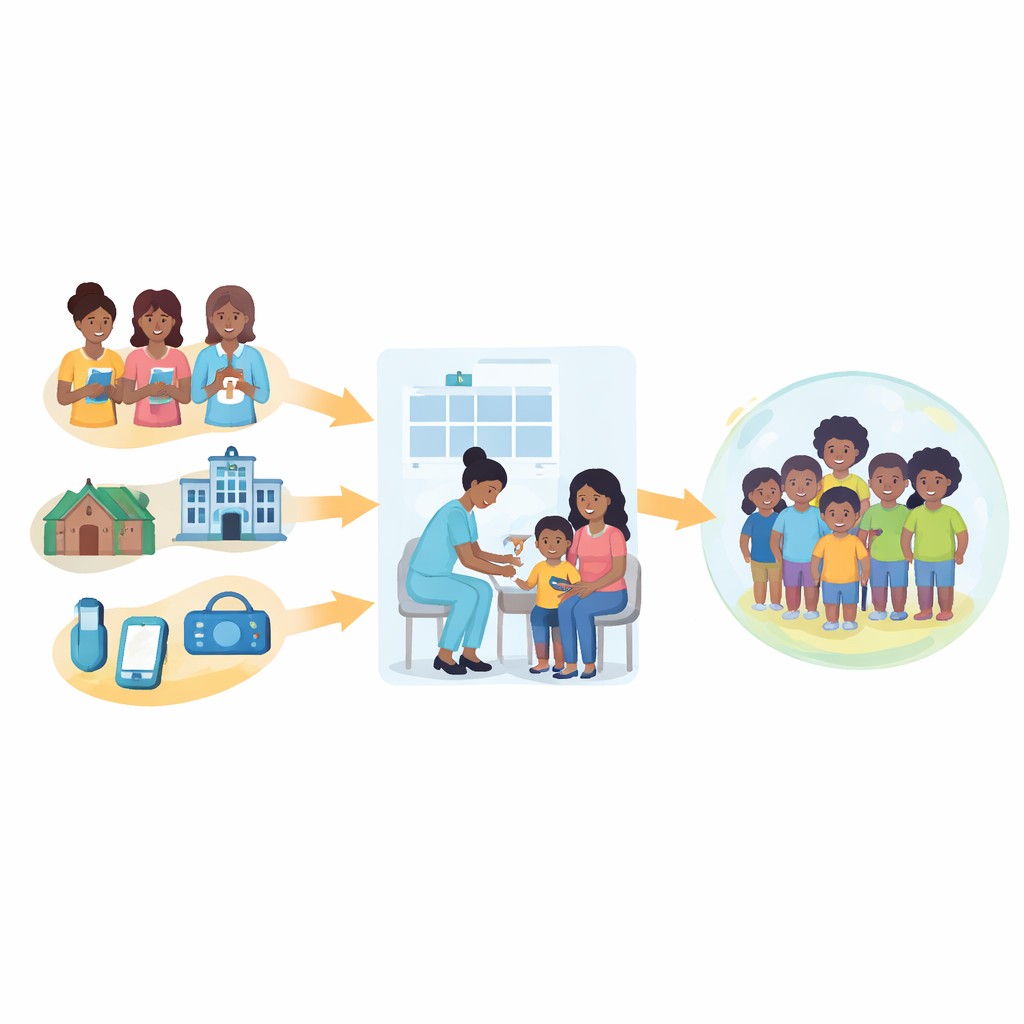
Together, these results show that while polio has been pushed back in Africa, too many young children still lack full protection. The study makes clear that raising IPV coverage is not only about having vaccine doses available; it is also about educating mothers and communities, ensuring regular prenatal and postnatal visits, encouraging births in health facilities, supporting longer spacing between children, and reaching rural and underserved areas with convenient services, including mobile clinics. Strengthening these building blocks of everyday healthcare could close the remaining gaps, move countries closer to herd immunity, and keep future generations safe from a crippling but preventable disease.
Citation: Wondie, W.T., Zemariam, A.B., Gebreegziahber, Z.A. et al. Coverage and associated factors of inactivated polio vaccine uptake among children aged 12–23 months in Sub-Saharan Africa. Sci Rep 16, 13039 (2026). https://doi.org/10.1038/s41598-026-40258-3
Keywords: polio vaccine, child immunization, Sub-Saharan Africa, maternal health, vaccine coverage