Clear Sky Science · en
Preclinical efficacy and safety evaluation of a topical mesenchymal stem cell derived conditioned media gel for oral mucositis management
Why sore mouths in cancer care matter
Cancer treatments like chemotherapy and radiation can save lives, but they often leave patients with painful sores in the mouth and skin. These open wounds make it hard to eat, speak, or even continue treatment, and today’s remedies mostly soothe symptoms rather than truly repair the damage. This study explores a new kind of gel made from healing substances released by umbilical cord–derived stem cells, asking a simple question: can a gentle, easy-to-apply gel help damaged mouth and skin tissue recover faster and more safely?
A gel inspired by the body’s own healers
The researchers focused on a special type of adult stem cell that naturally supports tissue repair. Instead of putting live stem cells into the body, they collected the “broth” these cells release while growing in the lab, known as conditioned media. This liquid is rich in growth and repair molecules. They blended it into a water-based gel at three strengths—5%, 10%, and 15%—creating a topical wound healing gel that can be stored and applied like a normal ointment. Laboratory tests confirmed that the gel contained key repair signals, had antioxidant activity, and did not harm human skin cells grown in dishes.
Checking safety before use
Before testing how well the gel works, the team needed to be sure it was safe. They gave high oral doses of the stem cell–derived material to rats and mice every day for 28 days—far more than patients would ever swallow accidentally from a mouth gel. Across many checks, including body weight, behavior, blood tests, organ examinations, and detailed tissue studies, no treatment-related harm was found, even at the highest concentration. Additional genetic safety tests showed no sign that the gel caused DNA damage or mutations in cells. Together, these findings suggest a wide safety margin for eventual clinical use.
Helping mouth sores caused by chemotherapy
To mimic severe treatment-related mouth sores, the scientists used a standard rat model in which a common chemotherapy drug, 5-fluorouracil, combined with a small acid injury, creates deep ulcers inside the cheek. Animals then received either no treatment, a standard comparator gel, or the new stem cell–based gel at 5%, 10%, or 15%. 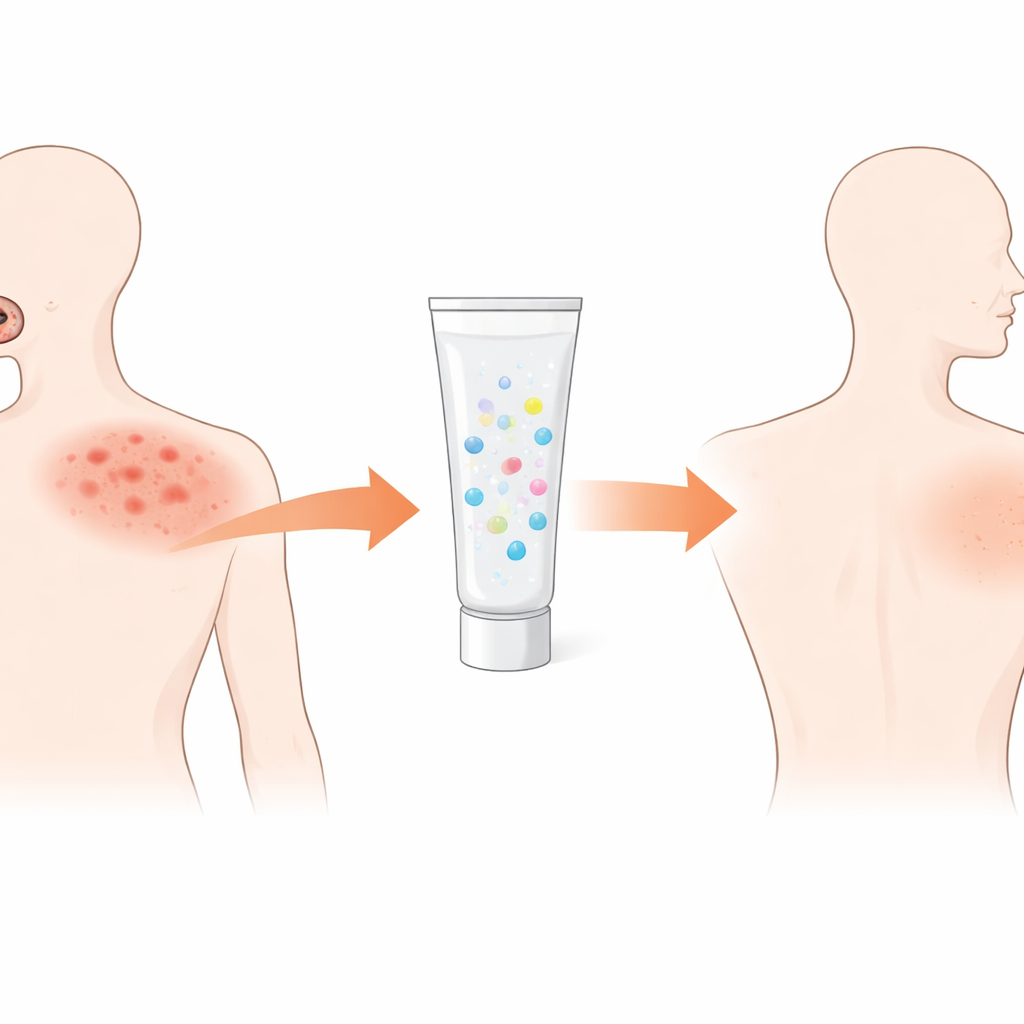
Soothing radiation-damaged skin
The team then turned to a mouse model of skin injury caused by radiation, similar to what many patients experience during radiotherapy. Mice received a circular skin wound, followed by a radiation dose over the area, and were treated with either no gel, 10% gel, or 15% gel twice daily. Both gel strengths were well tolerated, with stable body weight. The 10% gel in particular sped up wound closure in the first week, and both treated groups showed less redness, hair loss, wetness, and oozing than untreated animals. 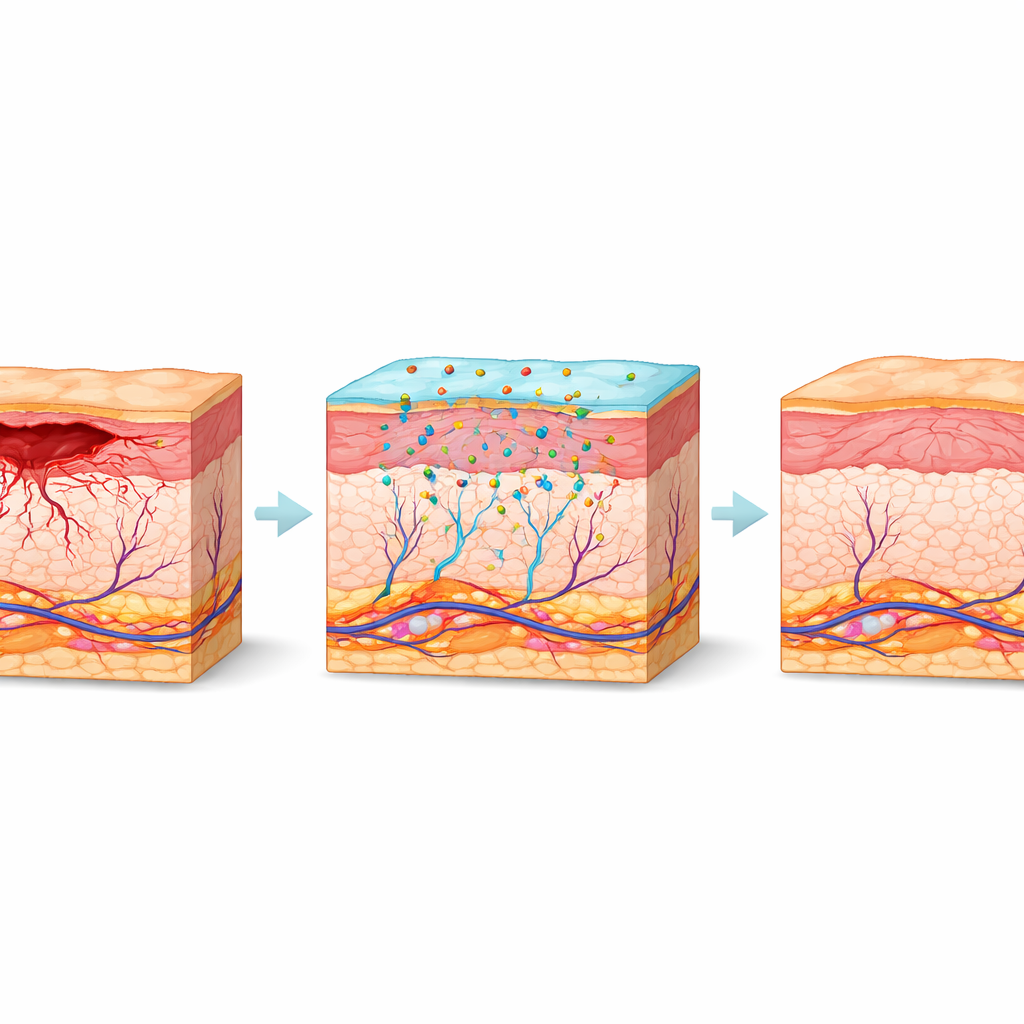
What this could mean for people with cancer
For patients, the most important question is whether a product is both safe and genuinely helpful. In animal models that closely resemble real-world treatment injuries, this stem cell–inspired gel met both marks: it showed no meaningful toxicity at high doses and promoted faster, more complete healing of chemo- and radiation-induced wounds. Because it relies on a cell-free mixture of natural repair factors rather than live cells, the gel avoids many practical hurdles of cell therapy while still harnessing the body’s own healing language. Although human trials are still needed, these results suggest that a simple topical gel could one day lessen mouth and skin damage during cancer treatment, making therapy more tolerable without adding new risks.
Citation: Mathen, C., Dsouza, W., Sharma, D. et al. Preclinical efficacy and safety evaluation of a topical mesenchymal stem cell derived conditioned media gel for oral mucositis management. Sci Rep 16, 10326 (2026). https://doi.org/10.1038/s41598-026-40193-3
Keywords: oral mucositis, radiation skin injury, stem cell conditioned media, wound healing gel, cancer supportive care