Clear Sky Science · en
Multi-dimensional immunoprotection of Ganoderma lucidum spore oil in immunosuppressed mice via microbiome-proteome-metabolome network analysis
Healing Help from a Famous Medicinal Mushroom
For centuries, the mushroom Ganoderma lucidum—known as Lingzhi or Reishi—has been praised in traditional medicine for boosting vitality and resilience. This study asks a modern question about an old remedy: can the oil from its spores help protect the immune system when powerful chemotherapy drugs knock it down? By following changes in gut bacteria, blood chemicals, and immune proteins in mice, the researchers trace how this natural product may help the body bounce back from immune damage.
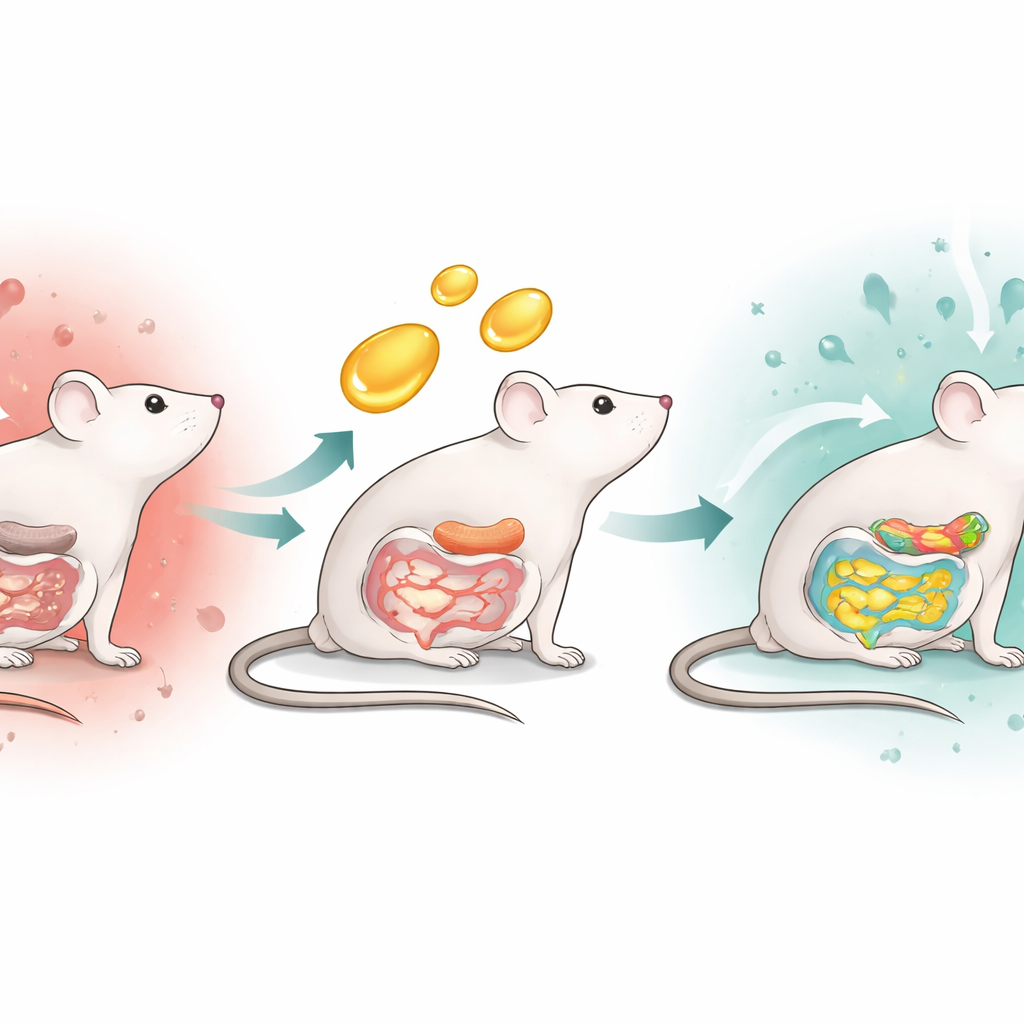
When Cancer Drugs Weaken the Body’s Defenses
Cyclophosphamide is a widely used chemotherapy drug that kills cancer cells but also harms healthy immune cells and the gut lining. In this experiment, mice were given cyclophosphamide to deliberately weaken their immune systems, mimicking what happens in cancer treatment. Their thymus shrank, white blood cell counts dropped, and key immune measures—like the ability of macrophages to swallow invaders and natural killer (NK) cells to destroy abnormal cells—were all reduced. These changes confirmed that the animals were left in a fragile, immunosuppressed state.
Mushroom Oil as an Immune Lifeline
The team then fed some of these immunosuppressed mice low or high doses of Ganoderma lucidum spore oil (GLSO). The higher dose had striking effects. The thymus and spleen, two major immune organs, rebounded in size, and blood leukocyte counts rose. Levels of serum hemolysin—a marker of antibody production—improved, as did the ability of macrophages to clear particles from the blood and the killing power of NK cells. In simple terms, the mushroom spore oil helped both the “first responder” and “special forces” wings of the immune system recover from drug-induced damage.
Gut Neighbors, Blood Chemicals, and Immune Balance
To understand how this recovery happened, the researchers looked closely at the gut microbiome and the small molecules circulating in the blood. Cyclophosphamide disturbed the gut ecosystem, reducing microbial diversity and tilting the balance away from helpful bacteria that support barrier function and produce short-chain fatty acids, and toward more harmful or inflammation-linked species. High-dose GLSO partially reversed this pattern, increasing several beneficial genera and reducing taxa associated with stress and oxidative damage. At the same time, blood metabolite profiling showed that chemotherapy drove up many fatty acids and inflammatory by-products, while lowering compounds tied to healthy energy use and immune support. GLSO shifted this chemical landscape: it reduced potentially toxic or immunosuppressive molecules and boosted small metabolites such as propionic acid, creatine, beta-glycyrrhetinic acid, 3-aminosalicylic acid, and 2-phenylacetamide, many of which are known to support metabolic health, dampen harmful inflammation, or aid immune cell function.
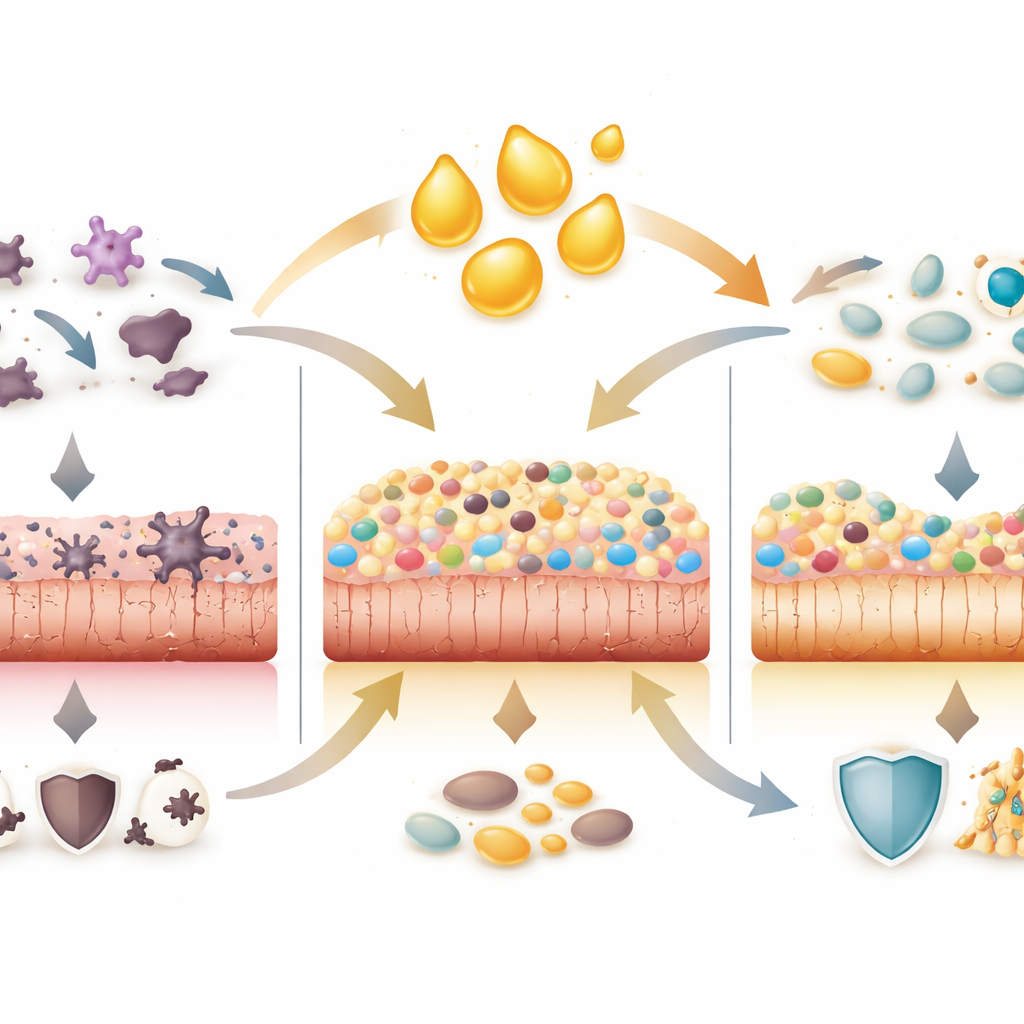
Inside the Immune Gland: Proteins Tell a Story
The thymus, where T cells mature, offered another window into what was happening. Proteome analysis showed that cyclophosphamide altered dozens of proteins involved in blood clotting, complement activation, platelet signaling, and cell death—changes consistent with tissue injury and runaway inflammation. GLSO treatment toned down many of these stress-related proteins while raising others associated with healthier immune regulation and barrier integrity, including several that help control metabolism, maintain the gut–immune interface, and support proper T cell development. Together with the microbiome and metabolite shifts, these protein changes suggest that GLSO acts not just as a simple stimulant but as a coordinator of a broader repair program.
A Networked Path to Immune Recovery
By linking gut microbes, blood chemicals, and thymic proteins in correlation networks, the authors propose that GLSO strengthens immunity through a multi-level axis: it reshapes gut communities, normalizes metabolic signals related to fat handling and insulin sensitivity, and adjusts key immune proteins in the thymus. Five highlighted metabolites and five thymic proteins emerge as likely messengers in this cross-talk, potentially explaining how a mushroom-derived oil can soften the collateral damage of a harsh chemotherapy drug. While the work was done in mice and needs further confirmation and component-level studies, it points to Ganoderma lucidum spore oil as a promising helper for preserving immune health under extreme treatment stress—and as a vivid example of how our gut microbes, metabolism, and immune organs are tightly intertwined.
Citation: Deng, S., Wu, X., Xu, W. et al. Multi-dimensional immunoprotection of Ganoderma lucidum spore oil in immunosuppressed mice via microbiome-proteome-metabolome network analysis. Sci Rep 16, 11548 (2026). https://doi.org/10.1038/s41598-026-40137-x
Keywords: Ganoderma lucidum, immune protection, gut microbiome, chemotherapy side effects, metabolomics