Clear Sky Science · en
A pilot study reveals plasma metabolomic and lipidomic signatures of mustard lung disease
Hidden Scars of a Wartime Poison
Decades after exposure to sulfur mustard, a banned chemical weapon, many survivors still struggle to breathe. Their condition, known as mustard lung disease, can look on scans and breathing tests very much like common chronic lung illnesses, making it hard to diagnose and treat correctly. This study asks a simple but powerful question: can a small tube of blood reveal a chemical fingerprint of this hidden damage, and point the way to better care for those who were poisoned long ago?
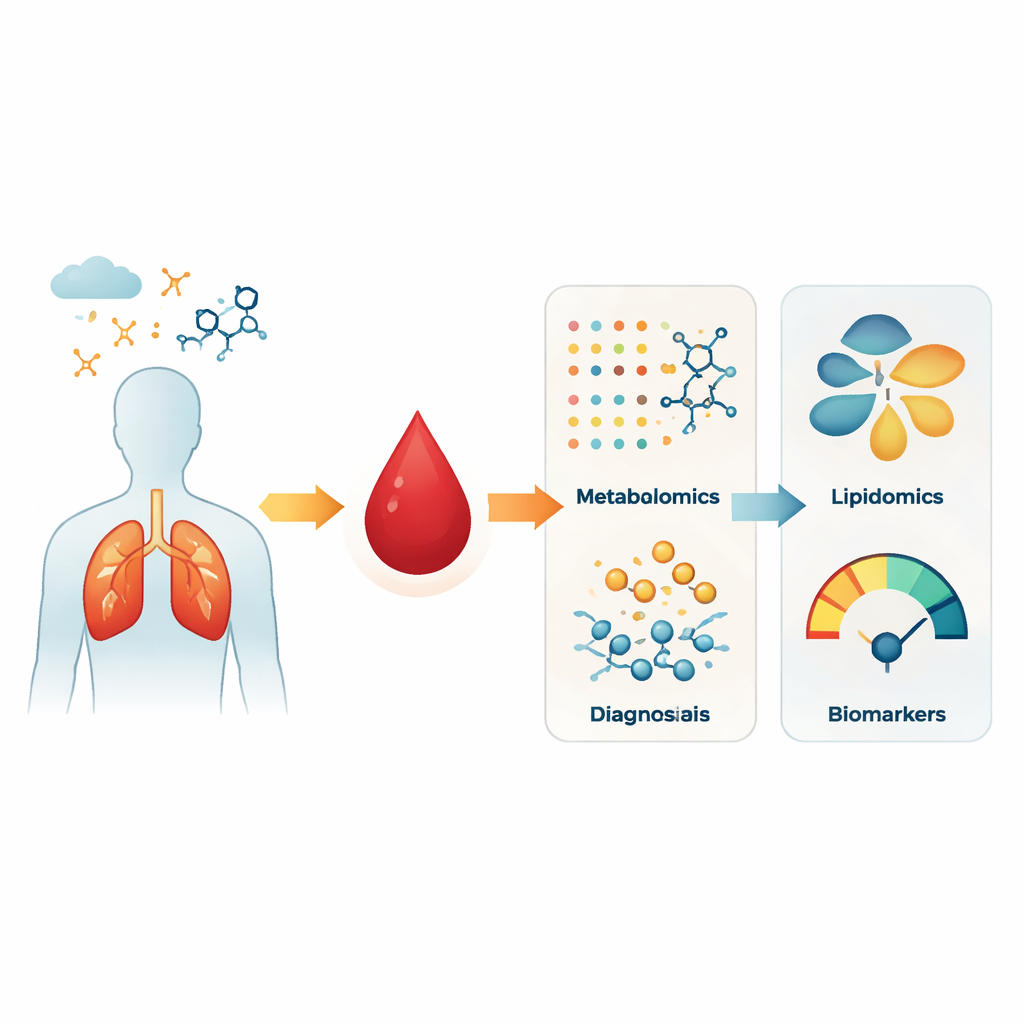
Looking for Clues in the Blood
The researchers focused on 39 men with long-term lung problems after sulfur mustard exposure and compared them with 14 similar but unexposed men. Instead of relying only on X‑rays or lung function tests, they examined the blood in extraordinary detail. Using sensitive instruments that weigh and separate thousands of tiny molecules at once, they created two large maps: one of general small molecules (the metabolome) and one of fats and fat-like compounds (the lipidome). This "untargeted" approach did not presuppose which substances would matter; it let the data reveal which blood chemicals consistently differed between survivors and healthy controls.
Chemical Fingerprints of Mustard Lung
The team found that many small molecules in the blood were shifted in patients with mustard lung disease, even more than 40 years after exposure. By combining statistics that look at many variables at once, they identified panels of metabolites that could distinguish mild cases from healthy people, and a slightly different panel that separated more moderate cases. These panels performed well in tests that simulate real-world diagnosis, suggesting that a future blood test might help flag people whose lung problems stem from sulfur mustard rather than from other causes like smoking-related disease.
Energy, Inflammation, and Wear and Tear
When the researchers traced these altered molecules back to the body’s chemistry pathways, a picture emerged of long-lasting stress on energy production and immune control. Molecules involved in processing amino acids, producing energy from short-chain fats, and shuttling fuel into mitochondria—the cell’s power plants—were all disturbed. Substances linked to oxidative stress (chemical wear and tear from reactive oxygen) and to chronic inflammation were higher in patients, and some were tied to poorer breathing measurements. Together, these patterns suggest that mustard lung disease is not just mechanical scarring of the airways, but a continuing imbalance in how cells generate energy and cope with damage.
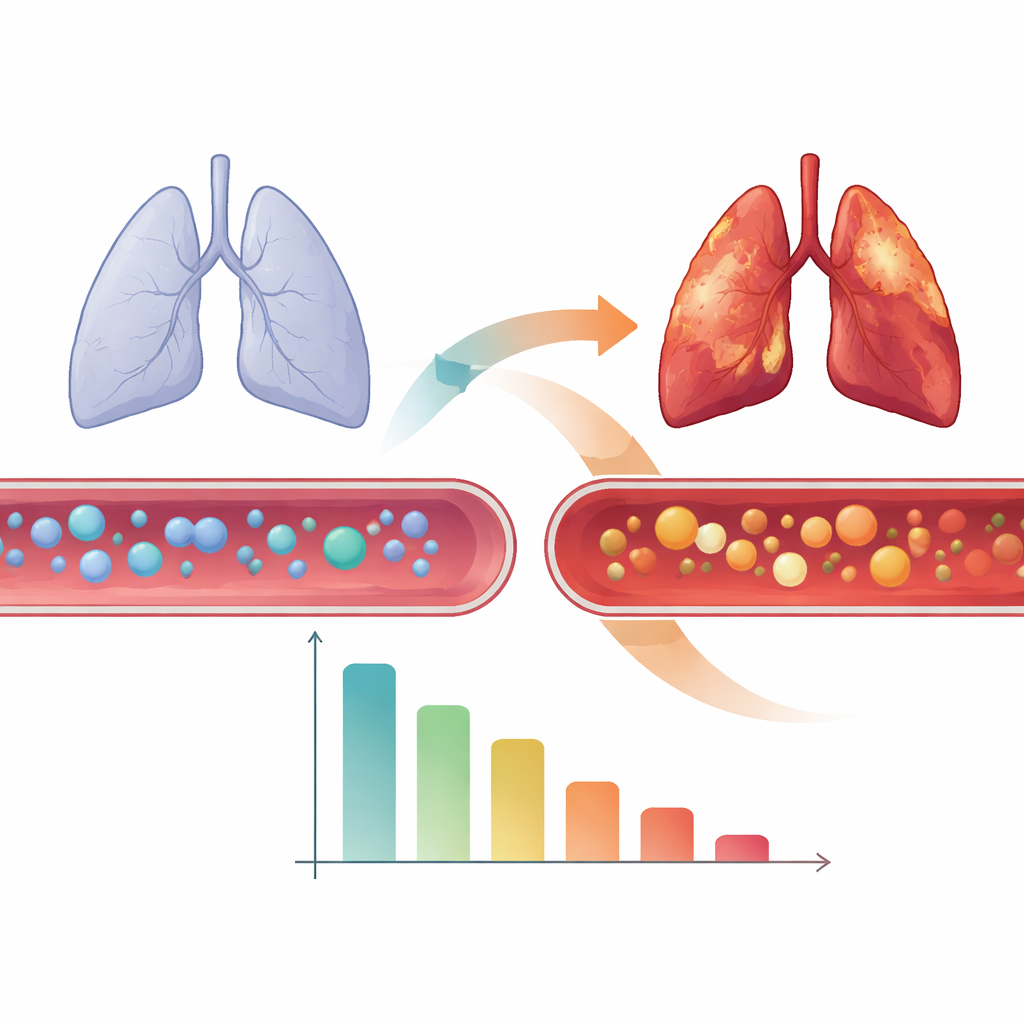
Fats Tell a Different Story
In contrast, broad patterns in blood fats did not clearly separate patients from controls. The scientists did notice changes in a few specific fatty acids: some potentially harmful very long-chain fats were higher, while one well-known anti-inflammatory omega‑3 fat was lower. These findings fit with the idea that mustard exposure leaves a lingering tilt toward inflammation. Yet overall, the fat profile was far less distinct than the general metabolite profile. This difference may one day help doctors tell mustard lung disease apart from more common conditions such as chronic obstructive pulmonary disease, where fat patterns are more clearly disturbed.
What This Means for Survivors
For non-specialists, the key message is that the blood of people with mustard lung disease carries a recognizable chemical signature, especially in the small molecules that reflect how cells use fuel and respond to stress. While this was a relatively small, early-stage study that needs to be repeated in larger and more diverse groups, its results point toward future blood tests that could improve diagnosis and monitoring. They also highlight possible treatment avenues, such as therapies aimed at restoring redox balance, protecting mitochondria, and calming chronic inflammation. In short, the work shows that the body remembers chemical warfare exposure in its chemistry long after the battlefield has faded from view.
Citation: Nobakht M. Gh., B.F., Bagheri, H., Keshet, U. et al. A pilot study reveals plasma metabolomic and lipidomic signatures of mustard lung disease. Sci Rep 16, 10038 (2026). https://doi.org/10.1038/s41598-026-39675-1
Keywords: mustard lung disease, sulfur mustard, metabolomics, biomarkers, chronic lung injury