Clear Sky Science · en
Consistently refusing to go along both helps and hinders minorities to induce social tipping
Why stubborn minorities matter to everyday life
From plant-based diets to contactless payments, many changes that now feel normal began with a small group of people refusing to go along with the crowd. This study asks a question that matters to anyone who cares about social change: when can a determined minority actually make an entire group switch from an old way of doing things to a new one, and when does that stubbornness backfire?
How groups flip from old habits to new ones
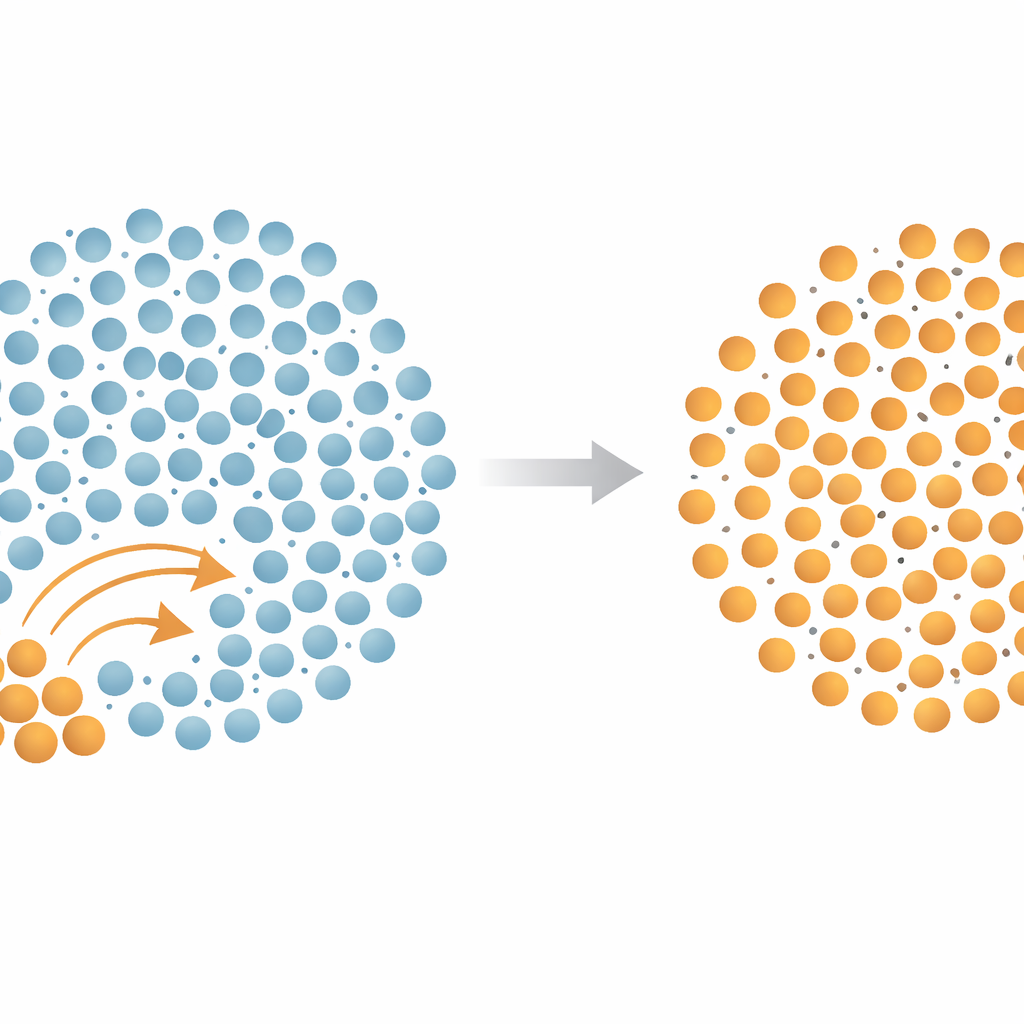
Social life is full of unwritten rules—such as how we greet each other or pay for things—that work only if most people do the same thing. Because it is easier and safer to follow the crowd, these "conventions" tend to be very stable. Change usually begins when a small number of people decide the old rule is no longer acceptable and start behaving differently, even if that costs them money, status, or comfort. If enough others gradually follow, the situation can suddenly flip: once the new way becomes common, sticking with the old rule is what feels awkward and costly. This rapid, S‑shaped shift is called a social tipping process.
A lab game that compresses years of change into minutes
To study tipping in a controlled way, the researchers used an online group game that mimics how conventions form and sometimes collapse. In groups of twelve, players repeatedly chose between two made-up products, Tao and Eta, trying to reach full agreement because doing so increased their bonus pay. At first, everyone naturally converged on one product, creating a status quo. Hidden computer-controlled players then began to act as a minority pushing the other product. Real players now faced a dilemma: stick with the established choice or join the minority’s alternative, not knowing which side would ultimately win and pay off.
What it means to be steady versus flexible
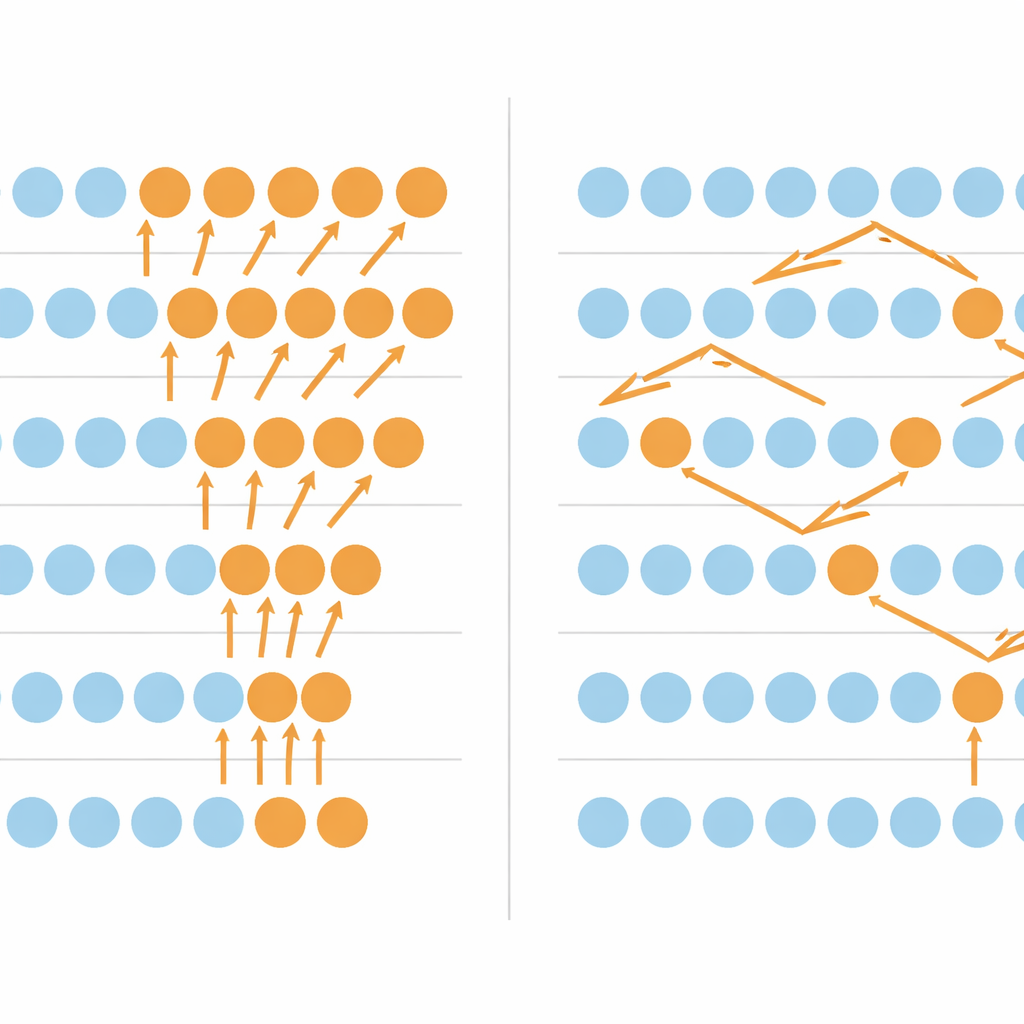
The central test was whether a minority that makes the same choice every round is better at triggering tipping than one that sometimes wavers. In some groups, all minority bots consistently backed the alternative product. In others, half of the minority remained steady while the rest switched back and forth between the old and new options, creating an inconsistent signal. After the game, participants rated how confident and how uncompromising they felt the minority had been, allowing the team to see not just whether tipping occurred, but why.
The double-edged sword of consistency
Across more than a hundred groups, tipping to the minority side happened more often when the minority appeared consistent than when it behaved inconsistently, but the effect was modest. The data showed two psychological forces pulling in opposite directions. On the positive side, a steady minority was seen as more confident, and this confidence made groups more willing to abandon the old convention. On the negative side, the same steadiness also made the minority seem rigid and unwilling to meet the majority halfway. That sense of being faced with an unyielding partner actually reduced the chance that the group would flip to the minority’s preferred option.
What activists and change agents can learn
For people hoping to change social conventions—whether around climate, health, or everyday norms—the lesson is subtle but practical. Being consistent signals conviction and helps others take your alternative seriously. Yet if that consistency comes across as refusal to listen or compromise, it can stir resistance instead of conversion. The findings suggest that the most effective minorities may combine a clear, steady commitment to their chosen path with occasional, visible flexibility in how they deal with the majority. In other words, projecting confidence without looking dogmatic may offer the best recipe for nudging societies toward new and more sustainable shared habits.
Citation: Mlakar, Ž., Bolderdijk, J.W., Risselada, H. et al. Consistently refusing to go along both helps and hinders minorities to induce social tipping. Sci Rep 16, 10322 (2026). https://doi.org/10.1038/s41598-026-39481-9
Keywords: social tipping, minority influence, social conventions, behavior change, collective decision-making