Clear Sky Science · en
Assessment of heavy metal and trace element contamination in sachet water and regulatory gaps in Lagos Nigeria
Why this matters for everyday drinking water
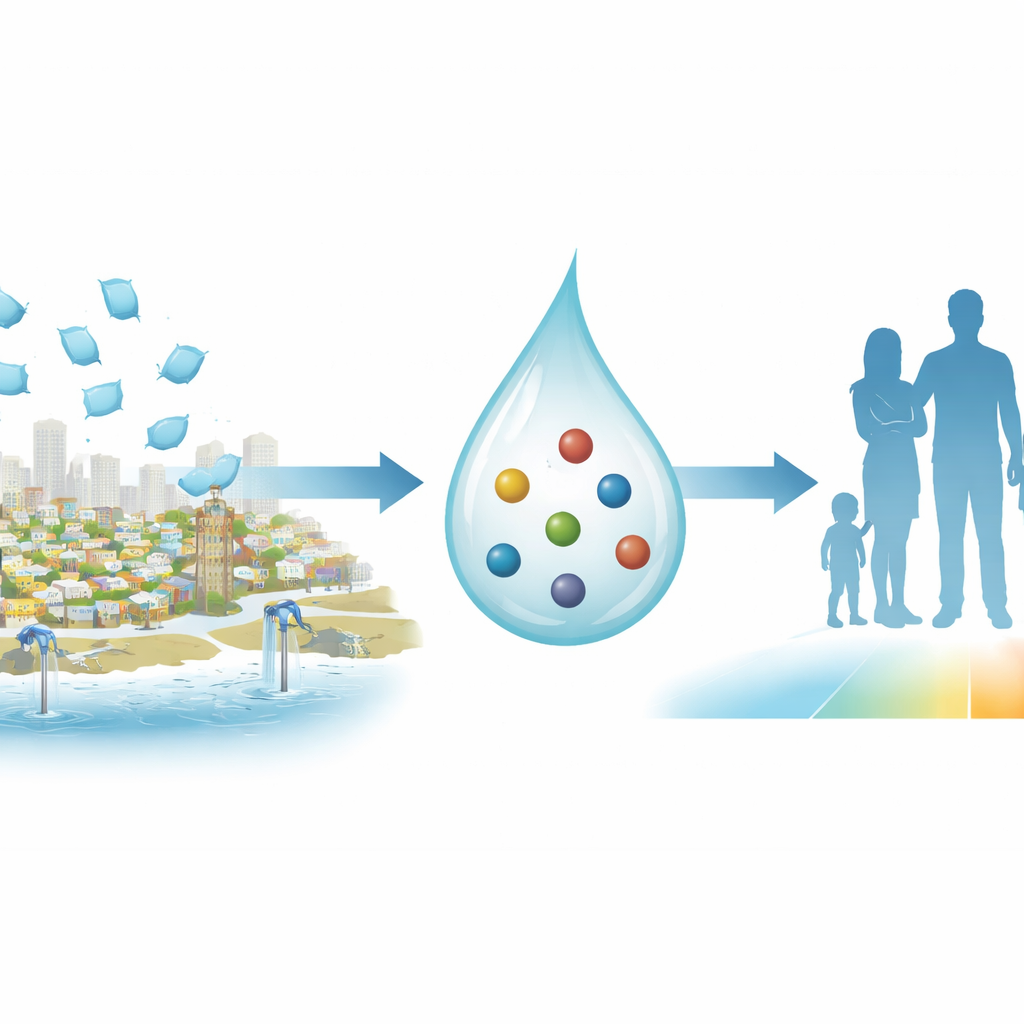
In many Nigerian cities, including Lagos, the small plastic sachets of “pure water” sold on the street are the main way people get drinking water. Because these sachets look clear and carry official logos, most buyers assume they are safe. This study takes a closer look inside those sachets, testing them for invisible contaminants called heavy metals and other trace elements, and asking whether current rules and inspections are enough to protect families who rely on them every day.
How sachet water became a lifeline
Lagos is a fast-growing coastal megacity where public tap water often does not reach homes or is unreliable. As a result, many residents depend on groundwater from boreholes and on privately produced packaged water. Sachet water, sold in half‑liter plastic sleeves, is especially popular because it is cheap and easy to carry. National and international agencies have set safety standards for drinking water, but in practice, routine checks of what actually comes out of sachets are limited. This study set out to measure metal levels in sachet water across all three senatorial districts of Lagos and to see how well labels and regulations are being followed.
What the researchers tested
The team collected 29 different sachet water brands from the 20 local government areas of Lagos State, choosing companies that were registered with the national food and drug agency. In the lab, they first examined the packaging. Every sample displayed a brand name, factory address, and registration number, which can give buyers a sense of trust. But none of the sachets listed a batch number, production date, expiry date, or a breakdown of mineral content. The water itself looked clear, colorless, and free of visible debris. The real test came from using a sensitive instrument that can detect metals at tiny concentrations, allowing the researchers to measure substances such as lead, arsenic, mercury, uranium, and several essential minerals.
What was found in the water
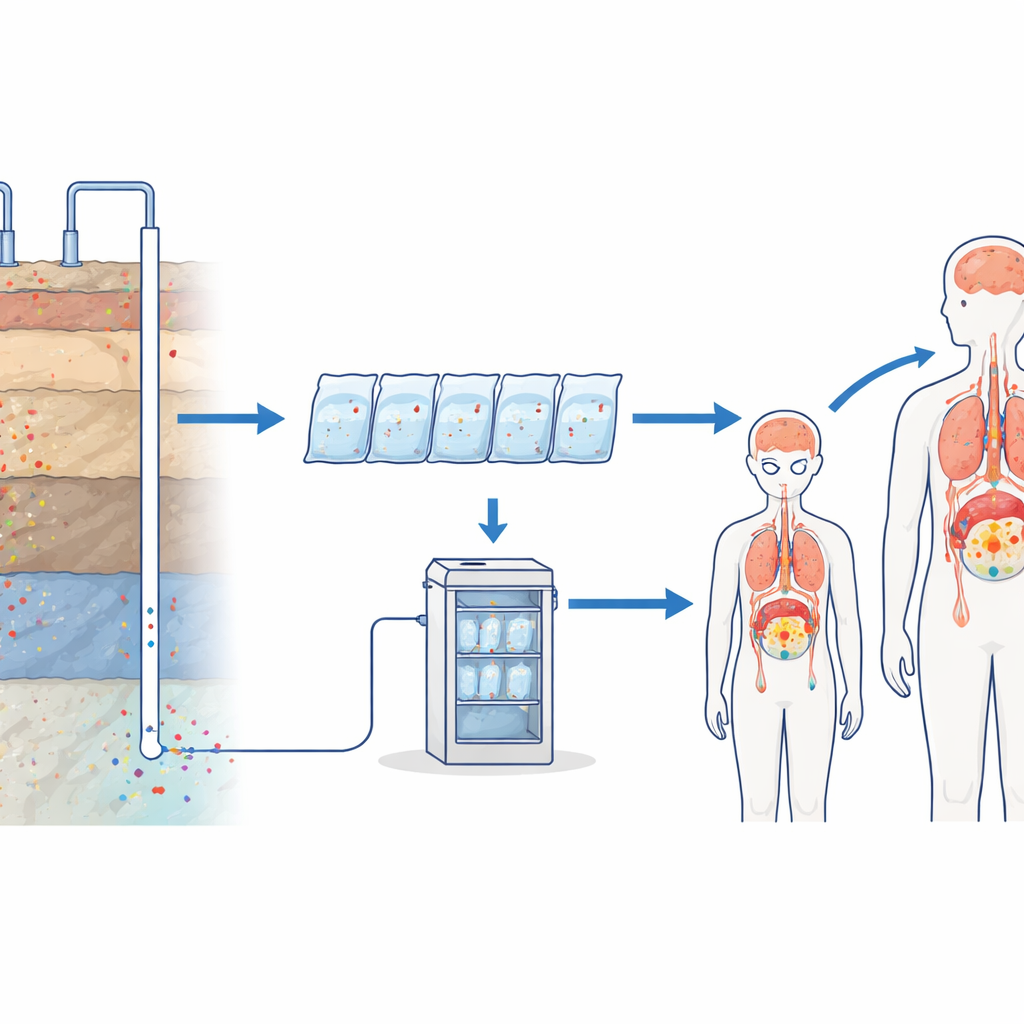
The good news is that many metals measured were within accepted safety limits. Elements such as copper, zinc, iron, manganese, nickel, calcium, sodium, potassium, magnesium, silver, chloride, and cadmium were all below the guideline values set by the World Health Organization and Nigerian standards. However, several toxic metals told a different story. Lead levels were above the recommended limit in about two‑thirds of the sachet brands tested. More than half of the samples contained too much arsenic, and nearly one in five exceeded the guideline for uranium. Mercury was rarely detected, but one brand contained more than the permitted level. These metals likely originate from natural underground sources and from human activities such as industry, waste disposal, and corroding equipment. The researchers also found that contamination patterns varied across Lagos, with the eastern part of the state showing the highest proportion of unsafe samples for several of these metals.
What this means for health risk
To understand what these measurements mean for people, the study used a standard health‑risk model that estimates the amount of metal a person might take in daily by drinking sachet water. The researchers compared this “dose” with reference values considered unlikely to cause harm over a lifetime. For most metals, the resulting hazard quotients were below one, suggesting a low chance of non‑cancer health effects for typical adult and child consumers. But arsenic stood out: its values were greater than one for both age groups, signaling possible health concerns. Uranium, lead, mercury, and silver also showed elevated risk markers in some individual brands. Children generally faced higher estimated risks than adults because they drink similar amounts of water despite having much smaller bodies.
Why stronger rules and checks are needed
From a layperson’s perspective, the main takeaway is that sachet water in Lagos is not uniformly dangerous, but neither is it reliably safe. Most measured metals stayed within safe bounds, yet a worrying number of brands carried too much lead, arsenic, or uranium—substances linked to nerve damage, heart disease, and kidney problems after long‑term exposure. At the same time, missing batch numbers and expiry dates on all the sachets make it hard to track or recall problematic products. The authors conclude that tighter and more frequent inspections of factories, better enforcement of existing standards, and clear labeling are essential so that the millions of people who depend on sachet water can drink it with greater confidence.
Citation: Igbasi, U.T., Awoderu, O., Afocha, E.E. et al. Assessment of heavy metal and trace element contamination in sachet water and regulatory gaps in Lagos Nigeria. Sci Rep 16, 10102 (2026). https://doi.org/10.1038/s41598-026-39240-w
Keywords: drinking water safety, heavy metal contamination, sachet water, Lagos Nigeria, public health risk