Clear Sky Science · en
Ginsenoside Rb1 alleviates endothelial dysfunction and vascular remodeling in preeclampsia via activation of the PI3K-Akt-eNOS pathway
Why this matters for mothers and babies
Preeclampsia is a dangerous pregnancy complication marked by high blood pressure and kidney strain that can threaten the lives of both mother and child. Today, the only sure “cure” is delivering the baby and placenta—sometimes far too early. This study explores whether a natural compound from ginseng, called ginsenoside Rb1, can help protect blood vessels and the placenta, offering a possible new way to manage preeclampsia rather than simply ending the pregnancy.
What goes wrong in preeclampsia
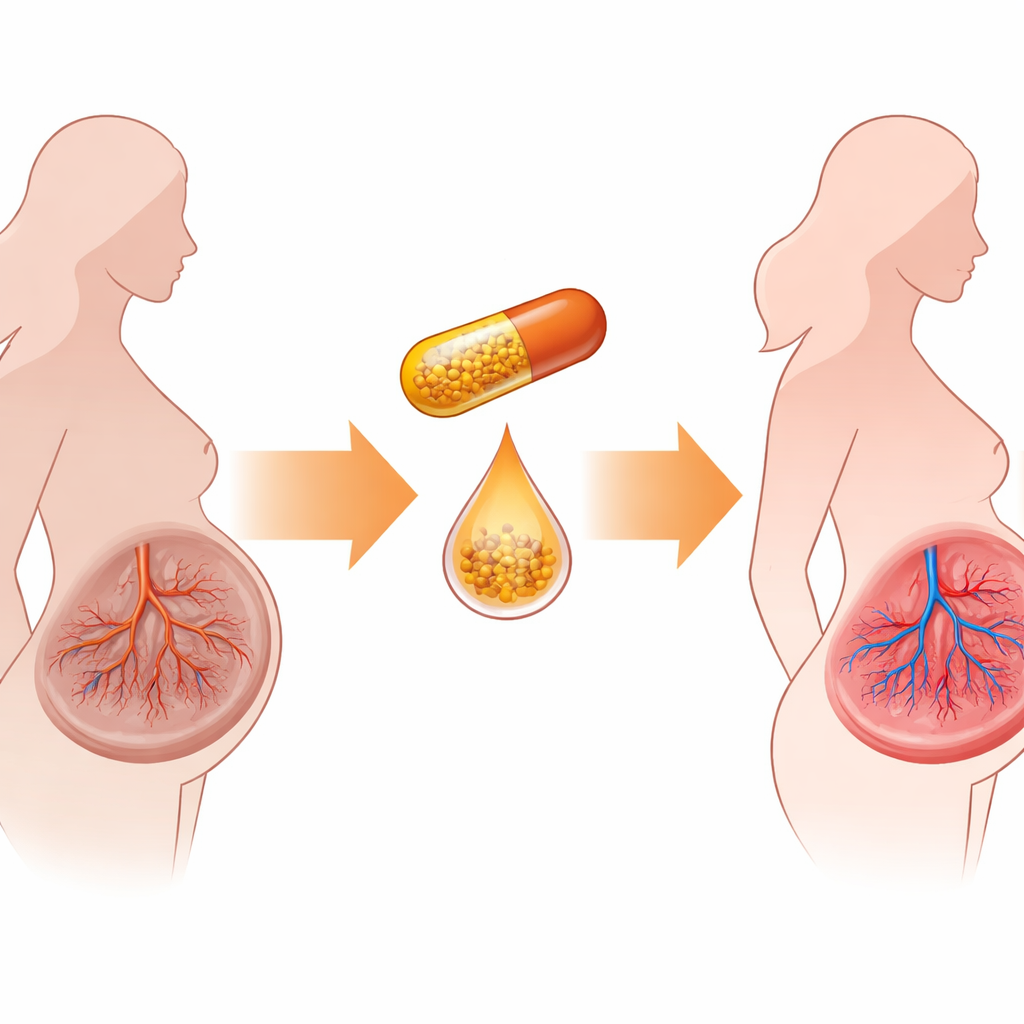
In a healthy pregnancy, tiny arteries in the uterus remodel themselves into wide, low‑resistance channels that let blood flow easily into the placenta. In preeclampsia, this remodeling is incomplete: vessel walls stay thick and muscular, the openings narrow, and the placenta becomes relatively starved of blood and oxygen. The authors examined blood and placental samples from women with preeclampsia and from women with normal pregnancies. They found clear signs of blood‑vessel malfunction in preeclampsia: levels of nitric oxide, a natural vessel relaxer, were lower, while endothelin‑1, a powerful vessel constrictor, was higher. Under the microscope, placental vessels from preeclamptic pregnancies showed thickened walls, narrowed channels, and more smooth muscle, along with reduced signals that normally promote new vessel growth.
A ginseng compound with protective potential
Ginsenoside Rb1 is one of the main active ingredients in Panax ginseng, long studied for its heart and blood‑vessel benefits. Previous work suggested that Rb1 can lower blood pressure, boost nitric oxide production, and shield vessel‑lining cells from stress. Building on this, the researchers asked whether Rb1 could counteract the hallmark problems of preeclampsia: high blood pressure, leaky kidneys, and damaged placental vessels. They focused on a key cell‑signaling route inside vessel‑lining cells—the PI3K–Akt–eNOS pathway—which ultimately controls how much nitric oxide these cells make.
Testing Rb1 in an animal model
To mimic preeclampsia in the lab, the team used pregnant rats treated with a drug (L‑NAME) that blocks nitric oxide production, driving up blood pressure and protein leakage into the urine. As expected, these rats developed features similar to human preeclampsia: elevated blood pressure, increased urinary protein, distorted placental vessels, less nitric oxide, more endothelin‑1, and weaker signals for healthy vessel growth. When the animals received Rb1 by mouth, especially at medium and high doses, their blood pressure fell and urinary protein levels dropped. Their placentas looked healthier under the microscope, with more open vessel channels, fewer dying cells, more of the pro‑growth factor VEGF, and less of the smooth‑muscle marker that signals stiff, badly remodeled arteries. At the molecular level, Rb1 re‑activated the PI3K–Akt–eNOS pathway in placental tissue and raised eNOS, the enzyme that generates nitric oxide.
Zooming in on blood vessel cells
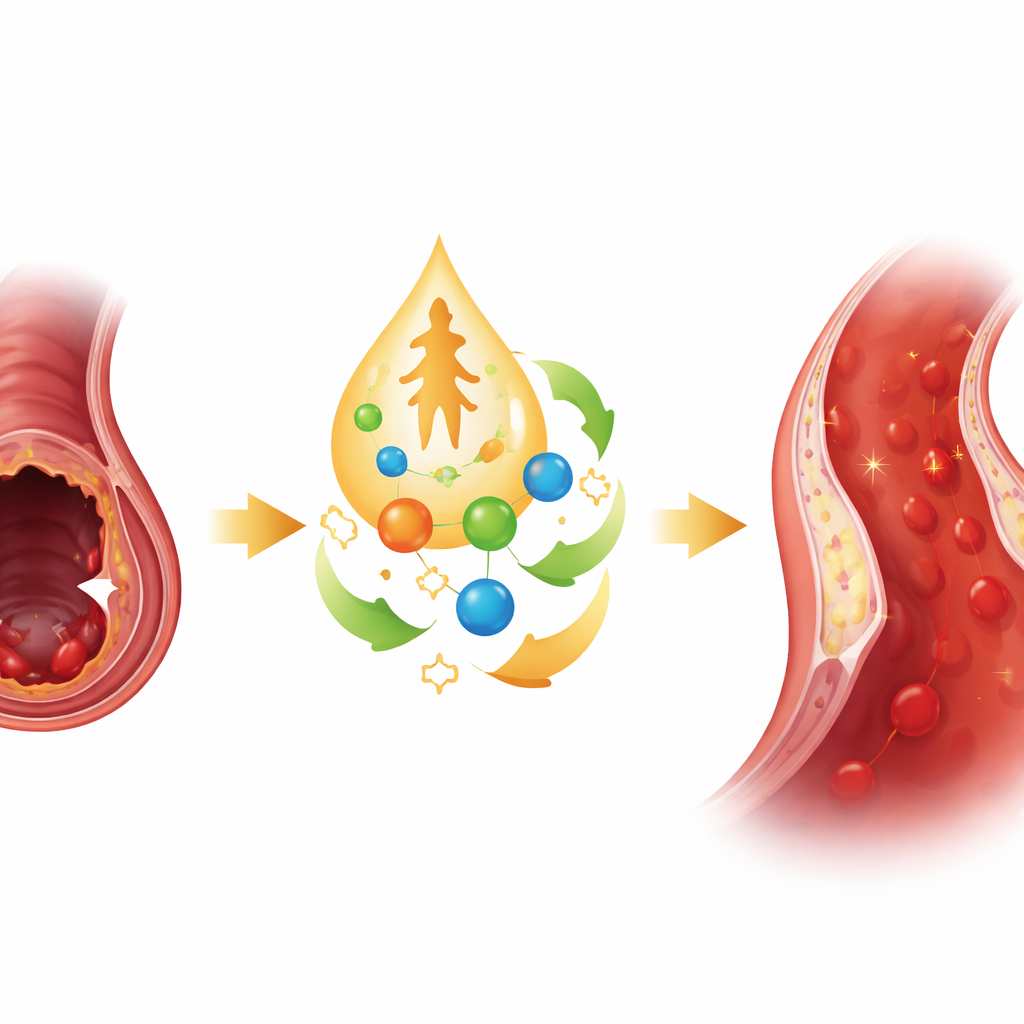
To confirm how Rb1 works at the cellular scale, the researchers studied human umbilical vein endothelial cells—standard models for vessel‑lining cells—in dishes. They injured these cells with angiotensin II, a hormone that drives blood‑vessel constriction and oxidative stress. The injured cells showed reduced growth, poorer ability to form tube‑like networks, more harmful reactive oxygen molecules, and more programmed cell death, along with a drop in nitric oxide and a rise in endothelin‑1. Adding Rb1 largely reversed these changes: cells survived and grew better, formed more tubes, generated less oxidative stress, and restored a healthier nitric‑oxide–to–endothelin balance. When the researchers chemically blocked the PI3K part of the signaling pathway, Rb1’s benefits nearly disappeared; when they activated PI3K directly, they reproduced many of Rb1’s protective effects. This strongly suggests that Rb1’s action depends on turning this pathway back on.
What this could mean for future care
Taken together, the human tissue, rat, and cell experiments paint a consistent picture: ginsenoside Rb1 helps relax and repair blood vessels and supports healthier placental remodeling in conditions that resemble preeclampsia, largely by restoring a signaling route that boosts nitric oxide and calms damaging stress signals. Rb1 is not a quick blood‑pressure pill; rather, it seems to work gradually by protecting and reshaping the vessel lining. While these findings are still preclinical—done in animals and cells, not yet in pregnant patients—they point to Rb1 as a promising candidate for future drugs or supplements aimed at treating or even preventing preeclampsia, potentially allowing pregnancies to continue safely for longer.
Citation: Jia, W., Wang, W., Zhang, B. et al. Ginsenoside Rb1 alleviates endothelial dysfunction and vascular remodeling in preeclampsia via activation of the PI3K-Akt-eNOS pathway. Sci Rep 16, 11893 (2026). https://doi.org/10.1038/s41598-026-38411-z
Keywords: preeclampsia, placental blood vessels, ginsenoside Rb1, nitric oxide, pregnancy hypertension