Clear Sky Science · en
Facility-based prospective cohort study to evaluate Moringa stenopetala based diet consumption in management of diabetes and hypertension in South Ethiopia
Food That Might Help the Heart
For millions of people living with diabetes or high blood pressure, daily pills are only part of the story. Around the world, doctors and patients are looking for everyday foods that could gently support treatment without adding side effects or cost. This study explores whether a leafy tree common in southern Ethiopia, Moringa stenopetala, could play such a role when eaten regularly as part of the local diet.
A Local Tree With Many Uses
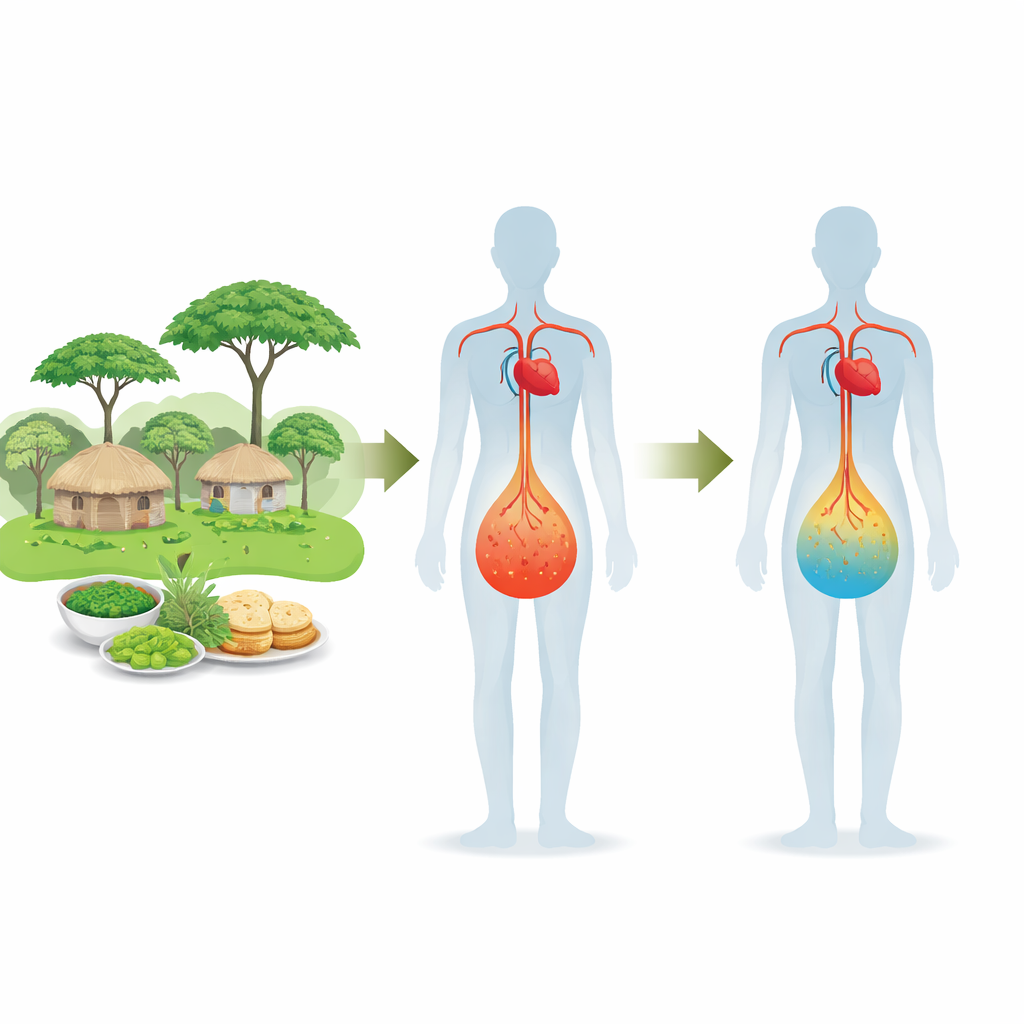
Moringa stenopetala is a drought‑tolerant tree that thrives in parts of southern and southwestern Ethiopia. Local families have long cooked its leaves as vegetables, mixed them with grain flours, or brewed them as teas and soups. Earlier laboratory and animal experiments suggested that extracts from the leaves might lower blood sugar, blood fats, and blood pressure, and act as antioxidants. But until now, there was little evidence from real‑world patients regularly eating the plant as food rather than taking it as a concentrated medicine.
Following Patients Over Time
The researchers set up a year‑long follow‑up study in two district hospitals with similar medical services and disease patterns. One hospital served a community where Moringa is commonly eaten; the other served an area where it is rarely used as food. They enrolled adults with diabetes, high blood pressure, or both, who were already receiving standard medical care and were able to attend regular clinic visits. In total, 223 patients took part. Everyone continued their usual treatments, but one group also consumed Moringa‑based dishes as part of their everyday meals, while the comparison group did not.
Checking Blood and Blood Pressure
At the beginning and end of the study, the team measured several indicators linked to heart and metabolic health. These included total cholesterol, “bad” blood fats such as low‑density lipoprotein and triglycerides, “good” high‑density lipoprotein, fasting blood sugar, and both upper (systolic) and lower (diastolic) blood pressure. They also interviewed participants about how often they ate Moringa, in what forms (vegetable dishes, mixed with cereals, or as tea or soup), and in what rough amounts per household dish.
What Changed With Regular Moringa Meals
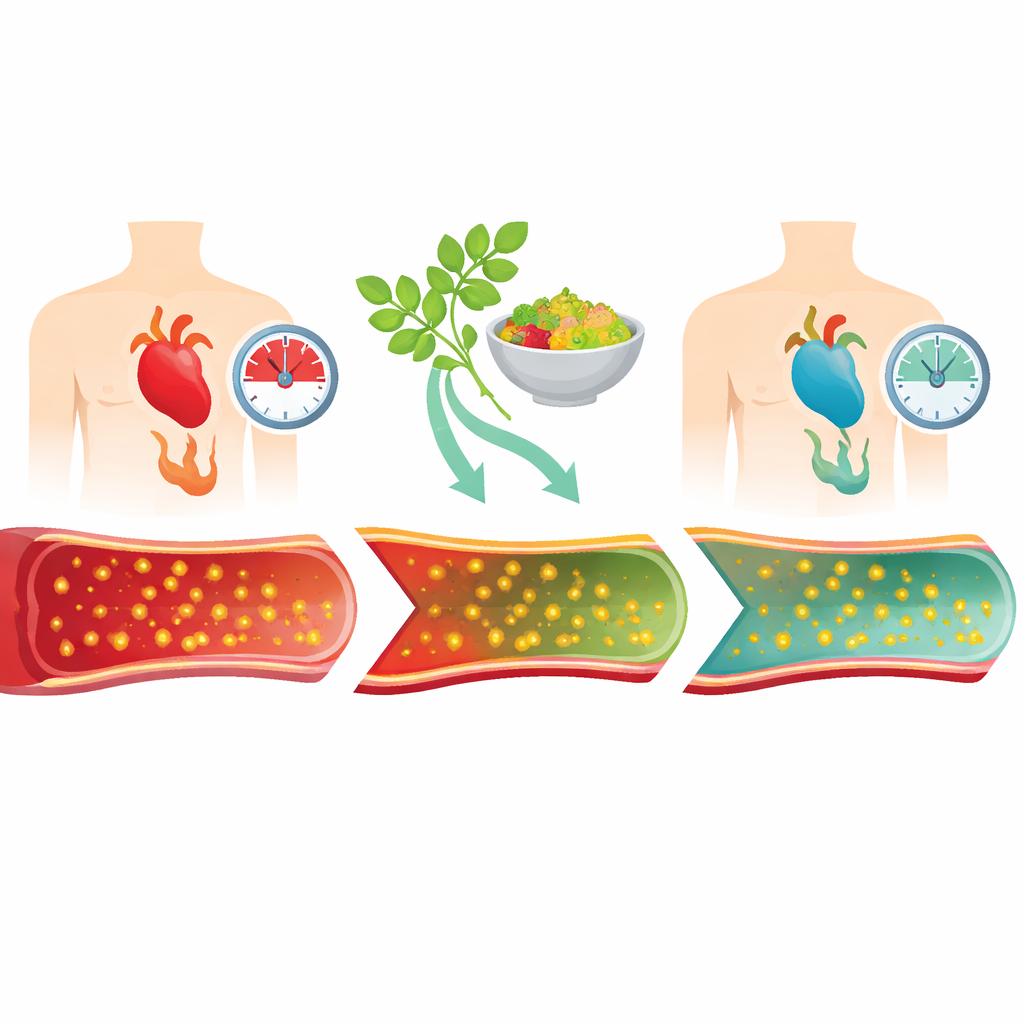
People who included Moringa in their diet generally showed more favorable numbers than those who did not. At the start, the Moringa group already had somewhat lower average cholesterol, blood fats, and blood pressure. After a year, these differences became clearer. Total cholesterol, harmful blood fats, and triglycerides all dropped more in the Moringa group than in the non‑Moringa group, and their systolic blood pressure remained lower. Fasting blood sugar and some other measures did not differ much by the end of the year, suggesting that the plant’s strongest visible impact in this setting may be on blood fats and the upper blood pressure value. The benefits also appeared to be linked to how often and how much of the leaves were eaten, hinting at a dose‑like effect even though this was ordinary food, not a pill.
What This Could Mean for Everyday Care
This study cannot prove cause and effect in the way a randomized clinical trial can, and it did not precisely measure portion sizes or nutrient content. Still, it offers the first human follow‑up evidence that a traditional, nutrient‑rich food like Moringa stenopetala may help support the control of diabetes and high blood pressure when added to usual medical treatment. For patients and health workers in similar regions, it points to the possibility that a familiar green on the dinner plate might quietly assist in keeping blood fats and pressure in check, while researchers call for more rigorous trials to confirm just how powerful this local tree can be.
Citation: Agedew, E., Misker, D., Gelibo, T. et al. Facility-based prospective cohort study to evaluate Moringa stenopetala based diet consumption in management of diabetes and hypertension in South Ethiopia. Sci Rep 16, 9915 (2026). https://doi.org/10.1038/s41598-026-38009-5
Keywords: Moringa stenopetala, diabetes, hypertension, lipid profile, functional foods