Clear Sky Science · en
Coding and Validation for Breadth and Desirability of 1,214 English Adjectives
How the Words We Use Shape Our View of People
When we call someone “rude,” “reliable,” or “fun,” we do more than describe a moment—we hint at who we think they are across many situations. Some words feel very specific to a single act, while others seem to sum up a whole personality. This study digs into that difference for over a thousand common English adjectives, showing how the language we use to judge people quietly shapes impressions, stereotypes, and even online reviews.
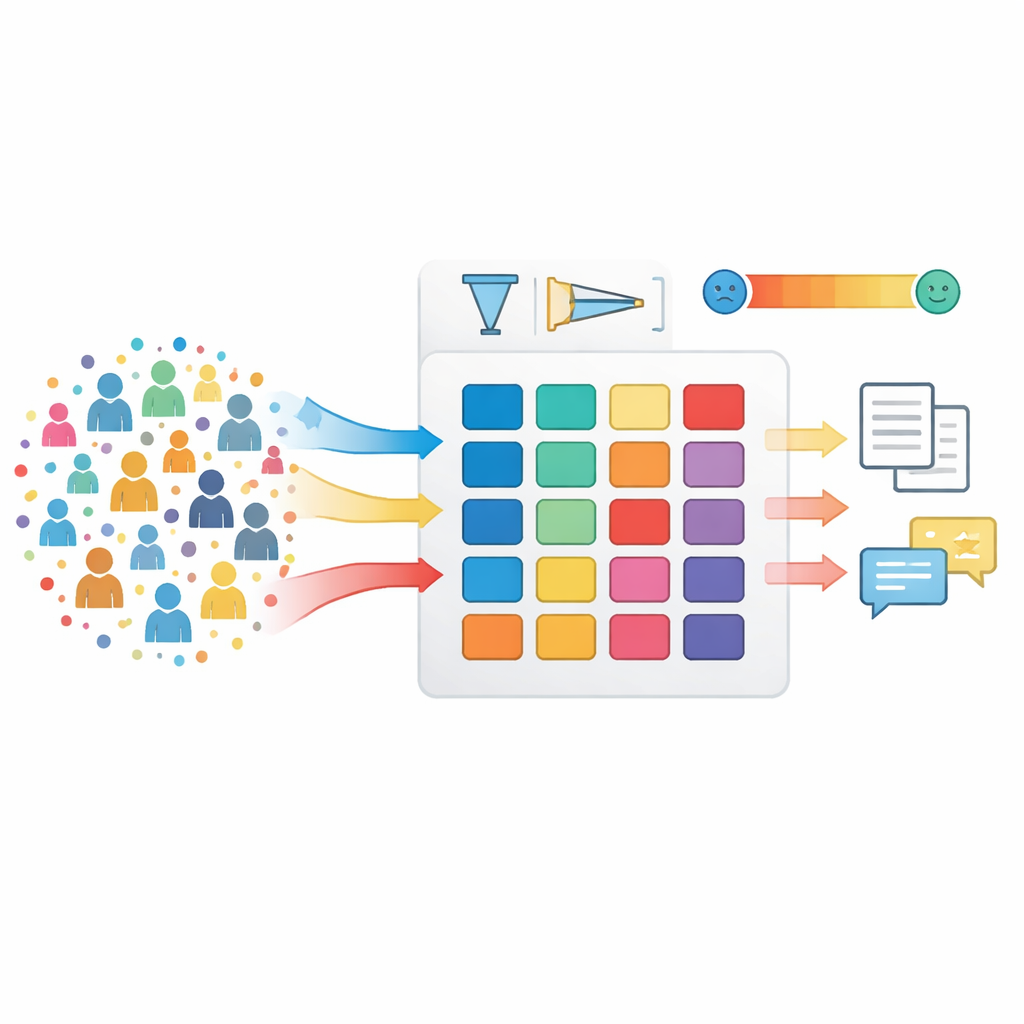
Big Versus Small Baskets of Behavior
The authors focus on two simple ideas about descriptive words. First is desirability: how good or bad a trait seems, from “horrible” to “excellent.” Second is breadth: how many different behaviors and situations a word appears to cover. A narrow adjective like “punctual” mostly points to being on time. A broad one like “reliable” suggests a pattern that stretches across tasks, places, and time. This “size of the basket” matters because broader words encourage us to think a person will act that way in many contexts, making our judgments feel more global and harder to shake.
Building a Modern Map of Adjectives
To make breadth and desirability measurable, the researchers assembled a curated list of 1,214 adjectives drawn from older psychological studies, public word lists, and everyday speech—including terms often skipped in academic work but common in real conversations. Nearly 1,600 U.S. adults, all native English speakers, each rated about 100 of these words online. For every adjective they recognized, participants rated how broad its behavioral reach seemed and how desirable it would be for someone to have that trait, both on nine-point scales. By averaging around 100 ratings per word, the team produced stable scores capturing how contemporary speakers understand these traits today.
Checking What Breadth Really Measures
Because many language tools already measure things like how concrete a word is (does it evoke sights and sounds?) or how many different contexts it appears in, the authors tested whether breadth was genuinely new. They compared their breadth scores with existing databases for concreteness, sensory experience, and “semantic diversity” (how widely a word is used across topics). Breadth barely related to concreteness or to specific senses like vision or touch, showing it is not about how imageable a word is. It did show a moderate link to semantic diversity: adjectives used in many different contexts tend to be judged broader, but the connection was far from perfect. In other words, breadth captures a distinct, social-behavioral sense of how much a trait seems to summarize a person.
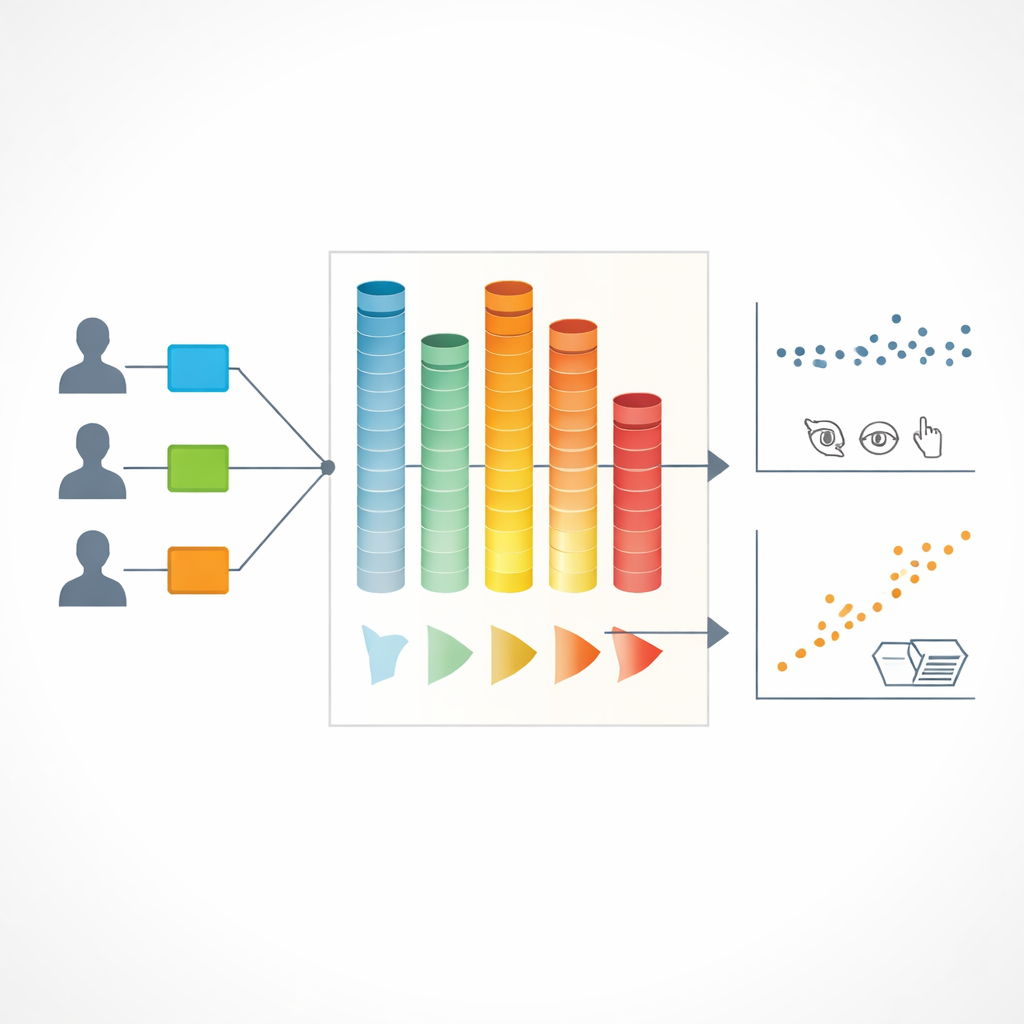
From Lab Ratings to Real-World Reviews
To see whether these ratings matter outside the lab, the team turned to two huge archives of online evaluations. One contained thousands of college instructor reviews; another drew on 100,000 Amazon digital music reviews. In both, the researchers pulled out adjectives and attached their previously collected breadth and desirability scores. They found that more favorable reviews, and reviews of higher-rated instructors or products, tended to use broader adjectives. Very positive write-ups were more likely to say things equivalent to “great” or “outstanding,” which cast a wide halo around the target, rather than narrowly focused praise. The way breadth and desirability moved together also shifted with how extreme the ratings were, indicating that people’s word choices adapt to the tone and purpose of their judgments.
Why This Matters for Everyday Talk and Research
This work delivers a large, publicly available database that tells researchers, and anyone analyzing text, how broad and how desirable common English traits are in the eyes of today’s speakers. It shows that breadth is not just another word for abstractness or vividness; instead, it captures how strongly a single word can generalize a person’s behavior across situations. That makes it a powerful tool for studying how we form impressions, reinforce stereotypes, and evaluate others—from social media posts to performance reviews. By quantifying the “reach” of our adjectives, the study reveals how even small wording choices can magnify praise or blame, shaping how we see other people far beyond any single act.
Citation: Lin, L.L., Dale, R. & Stroessner, S.J. Coding and Validation for Breadth and Desirability of 1,214 English Adjectives. Sci Data 13, 574 (2026). https://doi.org/10.1038/s41597-026-06934-9
Keywords: adjectives, social perception, language and evaluation, online reviews, semantic breadth