Clear Sky Science · en
A standardized personality lexicon for enhancing personalized human-machine interaction
Why the Words We Use About Ourselves Matter
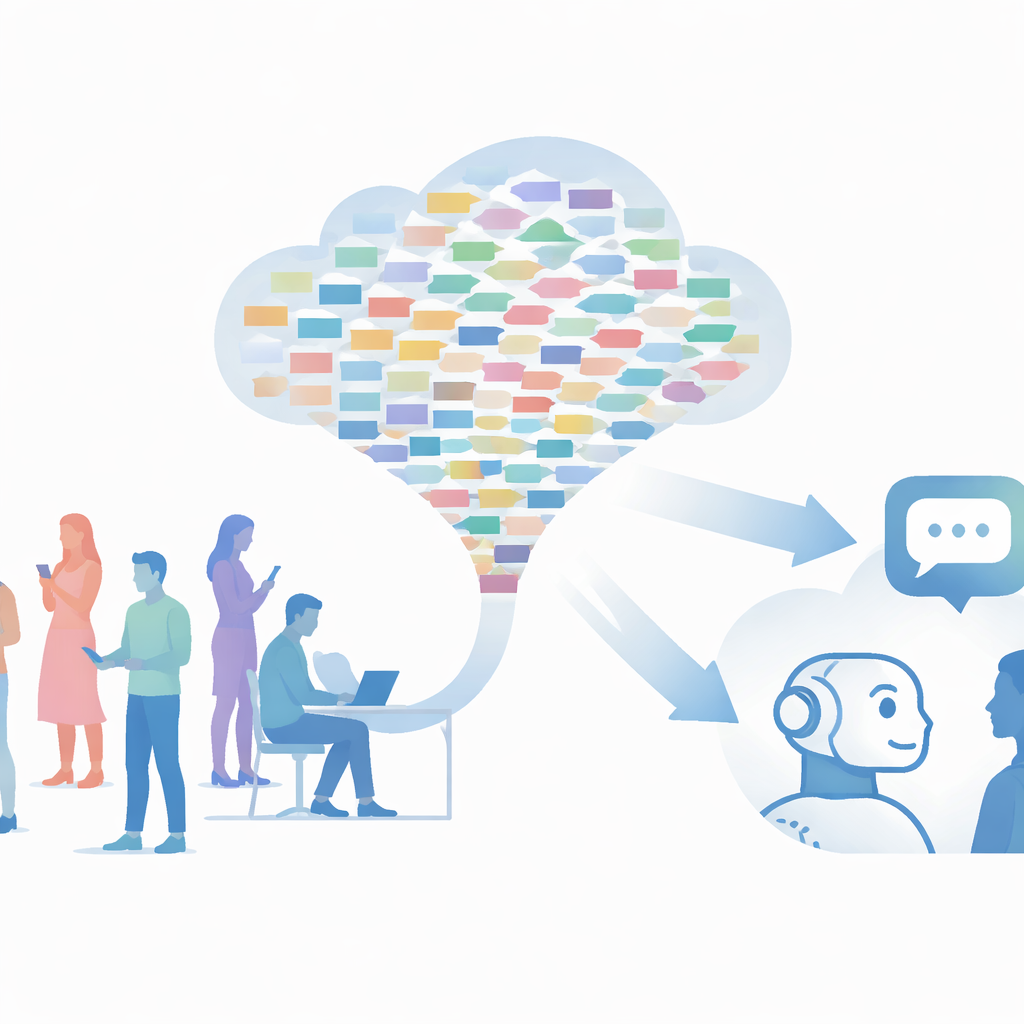
When you chat with a virtual assistant, scroll through social media, or fill out an online form, the language you use quietly reveals patterns in your personality. This article describes how researchers built a large, carefully tested dictionary of personality-related words in Chinese (with a matching English version). This resource helps computers better understand people’s stable traits—like how outgoing, anxious, or open-minded they are—so that digital tools can respond in more personal, helpful, and even mentally supportive ways.
From Everyday Traits to Five Big Themes
Psychologists often describe personality using the “Big Five” traits: how prone you are to worry (neuroticism), how outgoing you are (extraversion), how curious and imaginative you are (openness), how warm and cooperative you are (agreeableness), and how reliable and organized you are (conscientiousness). These broad traits each break down further into six more specific facets, such as cheerfulness under extraversion or trust under agreeableness. Because personality shows up so clearly in the words people choose, a precise map linking words to these traits can give computers a window into human individuality—especially in languages, like Chinese, where existing tools have been limited or poorly tested.
Building a Giant Map of Personality Words
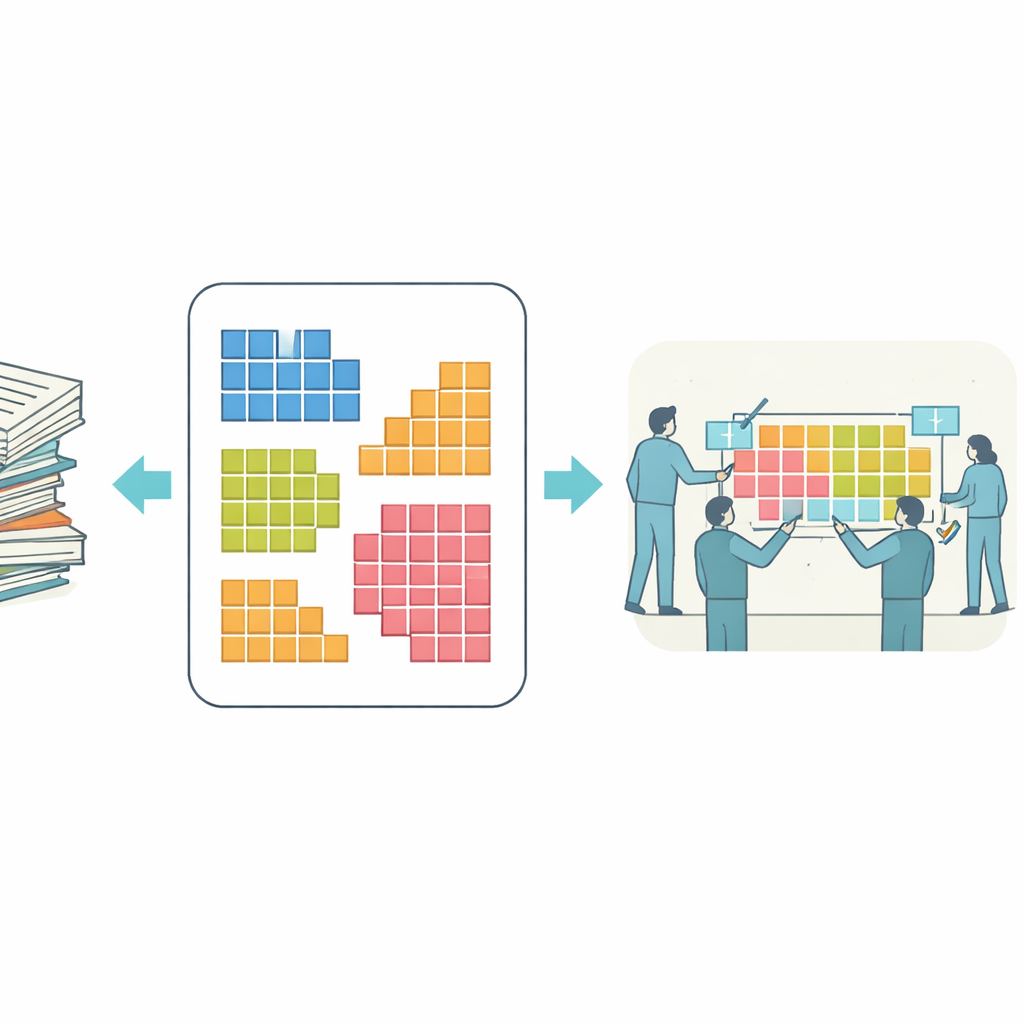
The researchers began by gathering “seed words” from many trusted sources. They combed through well-known personality questionnaires such as the IPIP-NEO, NEO-PI-R, and BFI, shorter rating forms, Chinese personality adjective scales, and other classic measures. They added words from psychological dictionaries like LIWC and a large set of personality adjectives, and then pulled in more terms from recent, highly cited research that linked particular words with personality traits. After removing duplicates, they ended up with 6,084 unique adjectives related to personality. Each word was kept in its original Chinese form or carefully translated from English, creating a shared cross-language base.
Labeling Feelings and Facets
Next, trained psychology researchers assigned each word to one of the five Big Five dimensions and to one of the 30 finer facets, using standard definitions from the IPIP-NEO-120. They also judged whether each word carried a positive, negative, or neutral emotional flavor—whether it suggested something desirable like “reliable,” undesirable like “impulsive,” or a more neutral quality. This produced a rich, layered labeling system: every word now had a home in a particular slice of personality space and an emotional tone that signals how it might feel to the person being described.
Testing the Dictionary with Real People
To move beyond expert opinion, the team ran two rounds of online studies. Volunteers aged 18 to 65 completed a standard Big Five personality questionnaire and then rated how well different adjectives fit them, using a simple 0–4 scale. A pilot test with 50 people refined the process; a larger main study with 329 people supplied the heavy evidence. For each word, the researchers compared how strongly it resonated with people who scored high or low on the matching trait. If, for example, people high in agreeableness consistently endorsed positive kindness-related words, and those low in agreeableness did not, the word was judged a good “hit.” Across all Big Five dimensions, hit rates were above 0.70, and across all 30 facets above 0.60, showing that the dictionary captured real personality differences rather than guesswork.
What This Means for Chatbots and Mental Health
Because this personality lexicon is public, fine-grained, and validated with real data, it can power practical applications right away. Chatbots can adjust their style based on the user’s likely traits—for example, being more reassuring with anxious users or more concise with very organized ones. Analysts can scan social media posts for patterns linked to high neuroticism or low conscientiousness, which relate to risks for mental health problems, providing a non-intrusive way to flag people who might benefit from support. And large language models can be tuned with prompts that respect different personality profiles, helping digital systems feel less generic and more attuned to the individual.
Bringing a Human Touch to Machines
In everyday terms, this work turns thousands of personality-describing words into a reliable map that computers can read. By tying each word to well-studied traits and checking those links against how real people talk about themselves, the researchers created a sturdy bridge between psychology and language technology. As a result, future apps, chatbots, and online tools can respond in ways that better fit who we are, offering interactions that are not just smarter, but more human-aware.
Citation: Jin, T., Cai, H., Shi, X. et al. A standardized personality lexicon for enhancing personalized human-machine interaction. Sci Data 13, 579 (2026). https://doi.org/10.1038/s41597-026-06783-6
Keywords: personality lexicon, Big Five traits, natural language processing, personalized chatbots, Chinese language data