Clear Sky Science · en
Depth-resolved carbon dioxide and methane concentrations in 522 lakes, ponds, and reservoirs worldwide
Why Lakes Matter for Our Climate
Lakes, ponds, and reservoirs may look calm on the surface, but they quietly breathe out powerful greenhouse gases that warm our planet. Until now, scientists have mostly measured these gases only at the water’s surface, leaving a major blind spot: what is happening deep below. This study introduces GHG-depths, the largest global collection of measurements of carbon dioxide and methane from the tops and bottoms of more than 500 lakes worldwide. By revealing how gases build up with depth, the work helps sharpen global climate estimates and shows how these inland waters may respond as the world warms.
A Global Look Beneath the Surface
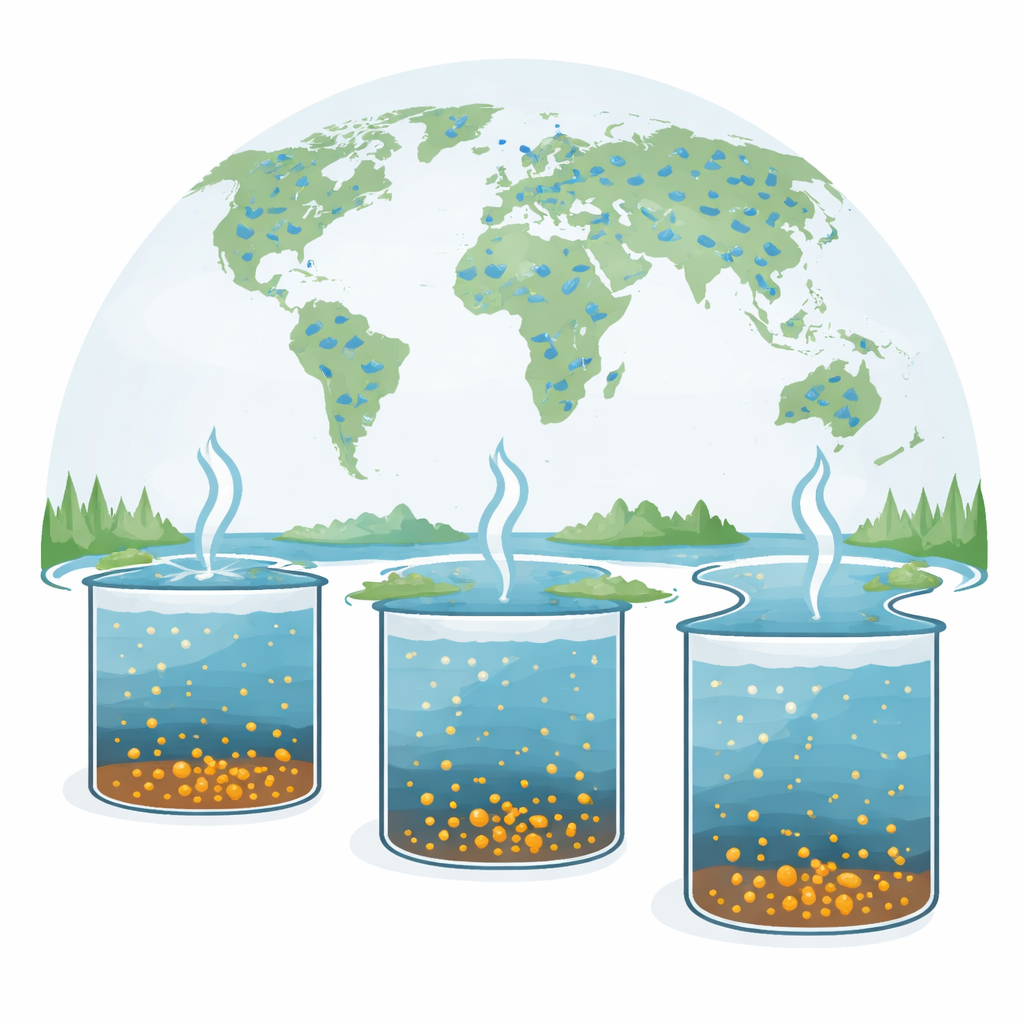
The researchers assembled depth-resolved measurements of carbon dioxide and methane from 522 lakes, ponds, and reservoirs spread across 38 countries and all seven continents. These water bodies span a huge range of sizes, depths, nutrient levels, and climates—from tiny ponds to deep reservoirs, from Arctic landscapes to tropical regions. In total, the dataset includes 2,558 separate sampling events, many with repeated measurements over multiple seasons and years. This broad coverage allows scientists to compare how very different lakes store and release greenhouse gases, something that was not possible with sparse or surface-only data.
Hidden Gas Stores in Deep Waters
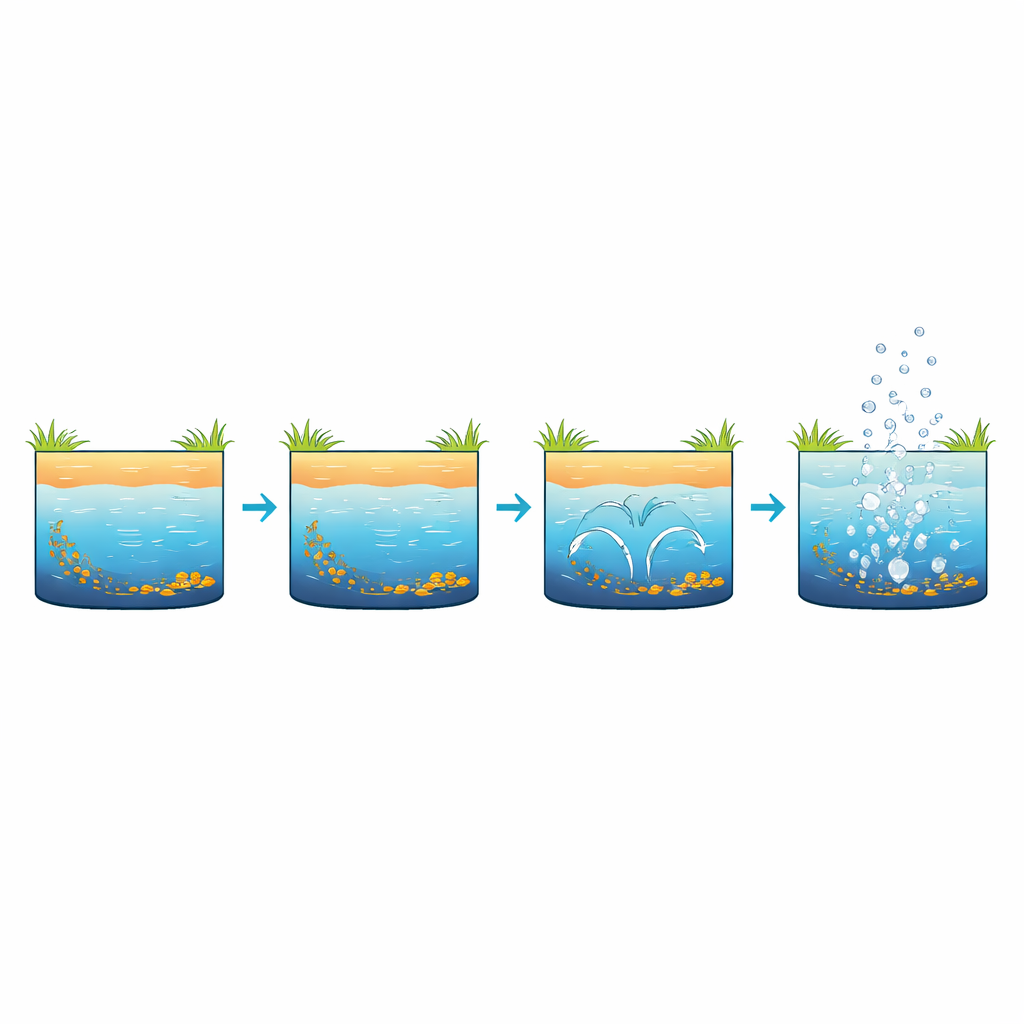
Inside many lakes, the water column is layered: warm, well-mixed, oxygen-rich water sits on top of colder, denser deep water. When this layering is strong, exchange between surface and bottom is limited. Microbes in dark bottom waters and sediments continue to break down organic matter, producing carbon dioxide and methane that can accumulate to high concentrations while oxygen is used up. The new dataset shows that gas levels in bottom waters often differ sharply from those near the surface, sometimes by many orders of magnitude. These hidden stores can later be stirred up and released, for example during seasonal mixing events when lake layers overturn.
How the Data Were Collected and Checked
To build GHG-depths, the team drew on contributions from 45 research groups and 56 published studies, supplemented by new, previously unpublished measurements. Only lakes, ponds, and reservoirs with true depth profiles—at least two depths per sampling—were included, and gases had to be measured directly using tools such as gas sensors or headspace techniques in sealed bottles. Alongside gas concentrations, the dataset provides companion measurements like water temperature, oxygen, nutrients, and basic lake characteristics, and links many sites to a global lake database. The authors carefully standardized units, interpolated supporting variables so they line up with gas depths, and performed extensive quality checks, including automated screening for outliers and manual review by the original data providers.
From Raw Profiles to Ready-to-Use Resources
Rather than just posting raw numbers, the team organized the information into several connected files designed for easy reuse. One file holds core facts about each lake, such as its size, depth, and typical chemistry. Another file contains all the detailed depth profiles of gases and water quality. A third adds high-frequency temperature records that help describe when and how lakes stratify. Finally, a processed file brings these pieces together into an “analysis-ready” product, matching each gas measurement with corresponding temperature and oxygen at the same depth and date. This structure means other researchers can readily plug the dataset into computer models or combine it with other global lake products.
What This Means for Climate Predictions
The paper does not present a single new emission estimate, but instead delivers the foundation needed to make future estimates more accurate. By illuminating how carbon dioxide and methane build up in the darker depths of lakes and are later released, GHG-depths allows modelers to better capture when and where emissions occur, and how they might shift as climate change alters lake mixing and oxygen levels. For non-specialists, the message is clear: quiet lakes are active players in the climate system, and understanding what happens from surface to bottom is essential for predicting our planet’s greenhouse gas future.
Citation: Rabaey, J.S., Lewis, A.S.L., Attermeyer, K. et al. Depth-resolved carbon dioxide and methane concentrations in 522 lakes, ponds, and reservoirs worldwide. Sci Data 13, 483 (2026). https://doi.org/10.1038/s41597-026-06751-0
Keywords: lakes, methane, carbon dioxide, greenhouse gases, freshwater