Clear Sky Science · en
Evaluation of antimicrobial resistance governance across 193 countries to inform the 2026 Global Action Plan update
Why this global health story matters to you
Antibiotics once turned deadly infections into routine problems, but their power is fading as bacteria evolve resistance. This study asks a deceptively simple question with huge stakes: are countries’ official plans to tackle antimicrobial resistance actually working? By tracking policies and health data from nearly every country on Earth, the authors show where the world is making progress, where it is stalling and what needs to change to avoid a future where common infections once again become life-threatening.
Measuring how the world fights superbugs
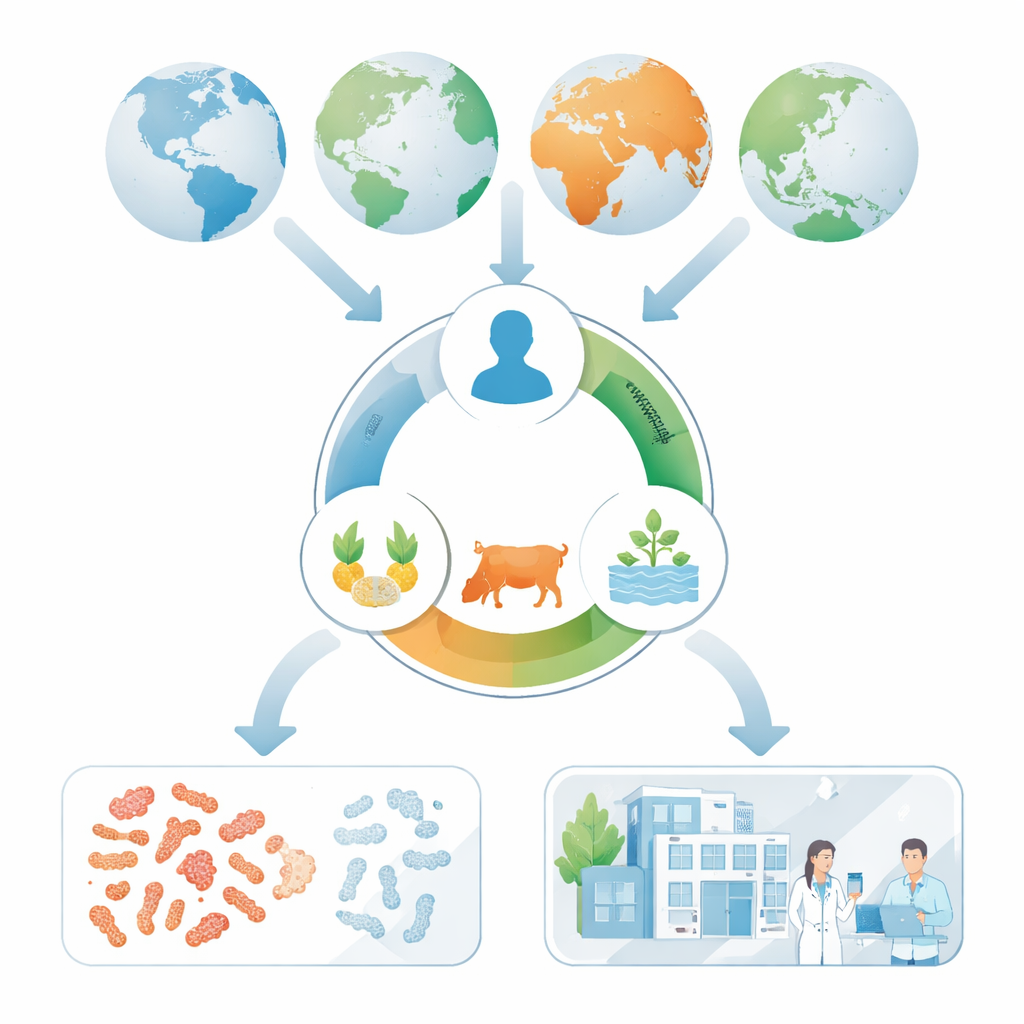
To move beyond promises on paper, the researchers built a new scorecard for how countries govern antimicrobial resistance. They gathered 269 policy documents, including 200 national action plans, plus survey and surveillance data covering human health, animals and the environment. From this, they created an index with three pillars: how well plans are designed, how far they are implemented and how closely they are monitored and adjusted. They then linked these governance scores to three outcomes: how much antibiotics are used, how common resistant bacteria are and how many deaths are tied to resistance. This allowed them to see not just who has plans, but whether those plans are making a measurable difference.
Progress on paper, slower change in practice
Between 2017 and 2022, average global governance scores rose from about one-third to nearly half of the maximum value, suggesting that many countries have strengthened their strategies on antimicrobial resistance. Policy design improved the most: more countries now have written plans, clearer long-term visions and formal structures to coordinate across ministries. But implementation and monitoring lag behind. Human health systems generally score better than animal health, and the environmental side of the problem—such as waste, farm runoff and crop production—remains particularly weak. Regions differ sharply as well: Europe and parts of Africa and South-East Asia have stronger and steadily improving systems, while the Americas and some other regions show slower or patchier progress.
When plans start to bend resistance curves
The central question is whether stronger governance actually reduces antimicrobial resistance. Using statistical methods that exploit the different years when countries adopted their plans, the authors found that benefits appear—but only after a delay. On average, measurable improvements in resistance levels emerge about four to five years after a plan is put in place, and the effect grows over time. In contrast, the study did not find clear, immediate drops in overall antibiotic use or in deaths linked to resistance, suggesting that better use and better reporting may offset each other in the short term. Regions that acted early, such as parts of Europe, saw resistance decline sooner and then level off, while some low- and middle-income regions continued gradual but real reductions after the global action plan was launched.
What makes a plan truly effective
Looking under the hood of their index, the researchers asked which pieces of governance matter most. Two features stood out across both early leaders and countries with the biggest gains: strong coordination across sectors and robust systems to track antibiotic use. Countries that brought together human health, veterinary services, agriculture and environmental agencies—and that systematically collected data on how antibiotics are used—were more likely to see resistance fall. Surveillance of resistant bacteria also contributed, but other familiar activities, such as training professionals or public awareness campaigns, showed weaker short-term links to improved outcomes, likely because they either take longer to bear fruit or are unevenly funded and implemented.
Closing the gaps and looking ahead
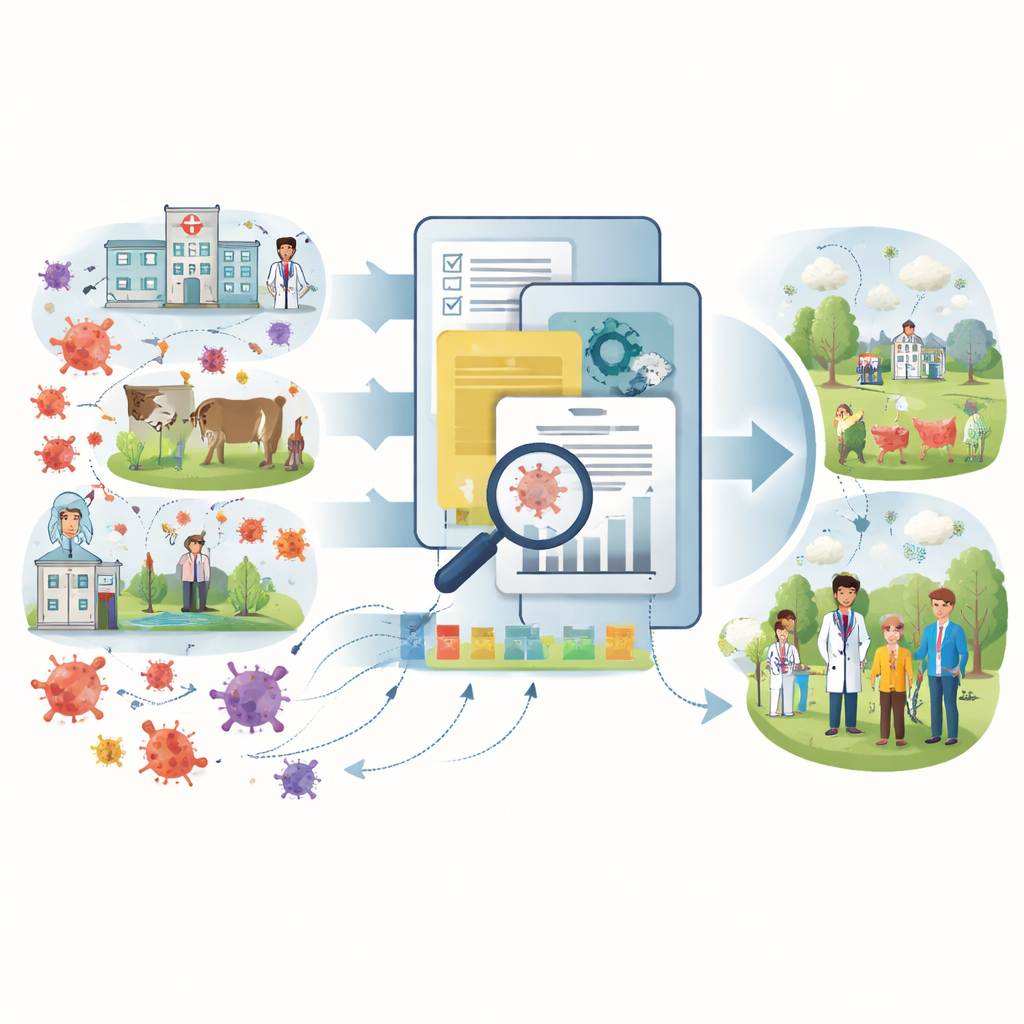
The study concludes that national plans to fight antimicrobial resistance can work, but only if they are backed by sustained commitment over many years and include all relevant sectors. Governments should not expect quick wins; instead, they need at least four to five years of steady investment before meaningful reductions in resistance become visible. Priorities include building strong cross-sector coordination bodies, setting up nationwide systems to track antibiotic use and resistance, and paying more attention to agriculture and the environment, where current efforts are weakest. As the world updates its global action plan in 2026, this evidence argues for shifting from declarations and strategy documents to long-term financing, integrated surveillance and practical measures that make antibiotics last for future generations.
Citation: Chen, W., Zeng, Y., Zheng, J. et al. Evaluation of antimicrobial resistance governance across 193 countries to inform the 2026 Global Action Plan update. Nat Med 32, 1362–1373 (2026). https://doi.org/10.1038/s41591-026-04257-1
Keywords: antimicrobial resistance, global health policy, national action plans, One Health, antibiotic stewardship