Clear Sky Science · en
Metabolomic profiling of goji fermentation: enhancing functional metabolites with high-glucose-adaptive LAB
Why a Berry Drink Deserves a Closer Look
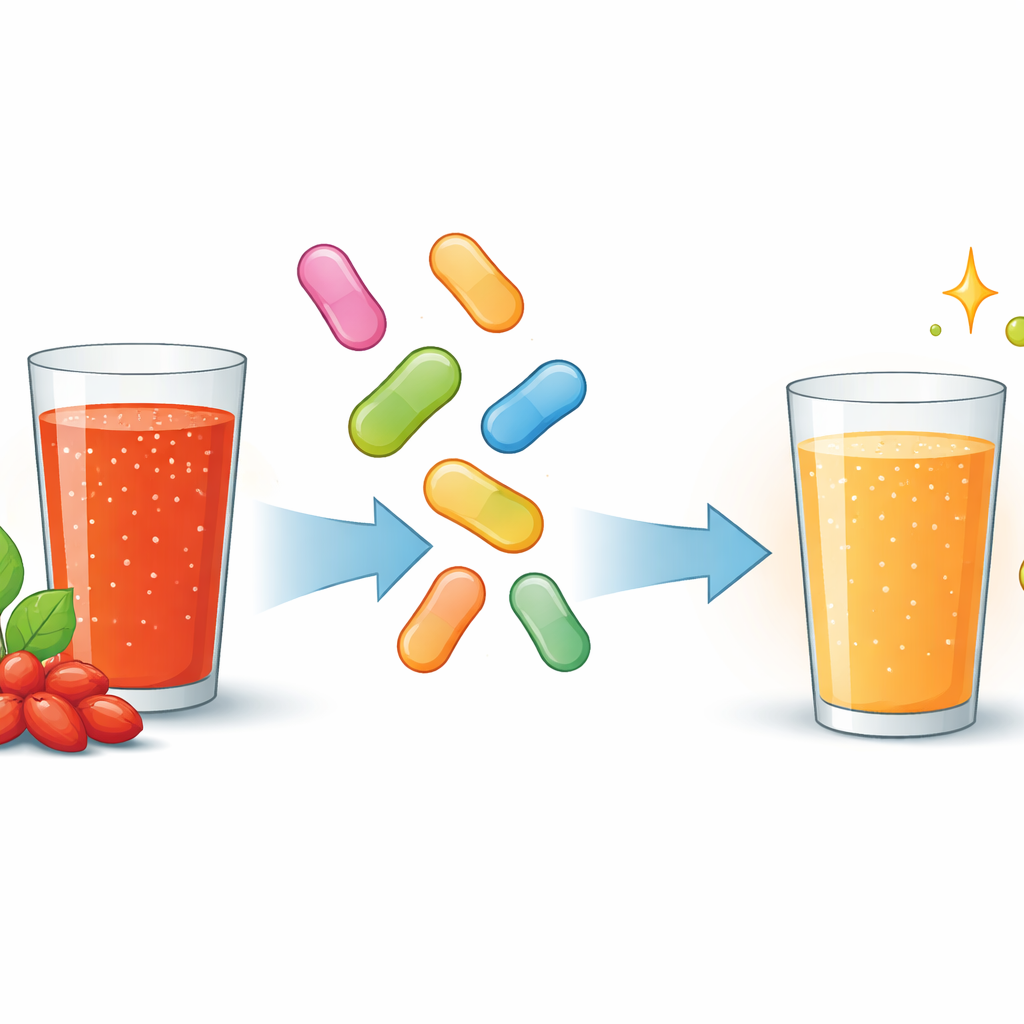
Goji berries are often marketed as superfoods, yet many goji drinks are loaded with natural sugars that worry health-conscious consumers. This study explores a way to turn intensely sweet goji juice into a tangy, fruitier beverage with much less sugar and more health-promoting ingredients by training friendly bacteria to thrive in very sugary conditions.
Turning Sweet Berries into Smarter Drinks
Fresh goji juice can contain sugar levels similar to soft drinks, mostly from glucose and fructose. Ordinary lactic acid bacteria, the same kind of microbes used in yogurt and sauerkraut, struggle when sugar is this concentrated. They grow poorly, leave much of the sugar behind, and cannot fully develop the richer flavors and beneficial compounds they are capable of producing. The researchers wanted strains that could handle this sugary stress, gobble up more sugar, and transform the juice into something both tastier and better for you.
Training Tougher Helpful Microbes
To build these hardy strains, the team started with three food-safe lactic acid bacteria already known from fruit and vegetable fermentations. They exposed these microbes to a gentle form of plasma that randomly alters DNA, then repeatedly grew them on broth packed with glucose. Only cells that tolerated the sugar storm and consumed it efficiently made it through each round. After several cycles, they selected three standout “high-glucose-adaptive” strains. In goji juice, these adapted strains cut glucose from about 92 grams per liter down to roughly 29–56 grams per liter and reached far higher cell counts than their original parents, showing they not only survived but thrived in the harsh sweet environment.
From Simple Sugar to Complex Goodies
The scientists then mapped what happened to thousands of small molecules in the juice using advanced chemical analysis. They found that the adapted strains rerouted more of the sugar away from simply making lactic acid and toward a wide range of bioactive compounds. Levels of molecules linked in other studies to gut balance, mood, antioxidant protection, and immune support rose noticeably. These included indole-3-lactate and melatonin from the breakdown of tryptophan, a family of aromatic plant-like compounds related to sinapaldehyde, unsaturated fatty acids such as linoleate, and polyamines like spermine. At the same time, the bacteria boosted certain vitamins and other nutrients, turning a sugary fruit base into a more complex functional drink.
How the Microbes Beat Sugar Stress
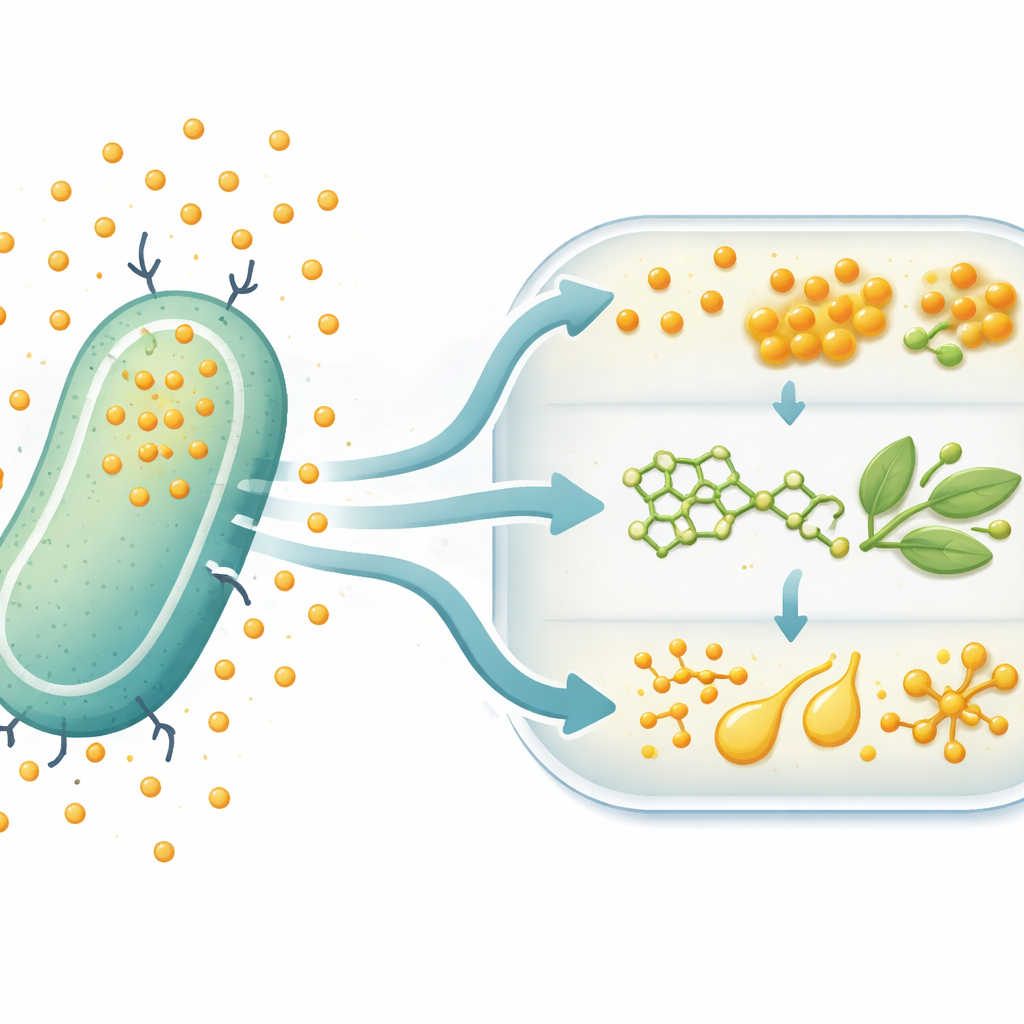
Extremely sugary juice pulls water out of cells and can damage them, so the adapted bacteria evolved clever defenses. They built up “compatible” small molecules—such as maltose, galactitol, and specific amino acids—that act like internal cushions against osmotic pressure without disrupting cell chemistry. They also tucked excess glucose into special sugar-linked versions of plant compounds and pigment fragments. This strategy both stores sugar in a safer form and shields delicate plant molecules from breakdown, improving their stability and likely their absorption in the body. Genetic checks hinted at changes in genes tied to sugar transport, stress response, and energy balance that may underlie these abilities.
What This Means for Everyday Drinks
In simple terms, the researchers taught probiotic-style bacteria to live comfortably in very sweet goji juice, where they could remove nearly half of the sugar while creating a drink that tastes more fruity and pleasantly sour. Along the way, the microbes pumped up a suite of promising health-related compounds. These rugged strains could be used not only for goji but also for other sugary juices and plant-based bases, offering a path to lower-sugar, higher-value fermented beverages that fit better with modern nutrition goals.
Citation: Shi, CR., Zhang, XJ., Xie, H. et al. Metabolomic profiling of goji fermentation: enhancing functional metabolites with high-glucose-adaptive LAB. npj Sci Food 10, 138 (2026). https://doi.org/10.1038/s41538-026-00791-x
Keywords: goji juice fermentation, lactic acid bacteria, low-sugar beverages, functional metabolites, probiotic drinks