Clear Sky Science · en
Gut microbiota-derived lactate is associated with disrupted cardiac circadian rhythms in alcoholic heart disease
Why the gut and the heart matter for drinkers
Many people know that heavy drinking can damage the liver, but fewer realize that it can quietly weaken the heart. This study explores a surprising chain of events that links alcohol, the bacteria living in our intestines, and the body’s internal day–night clock. By following this chain in mice, the researchers show how a simple change in diet—more fiber or the molecule acetate—may help protect the heart from alcohol’s long-term harm.
How alcohol quietly reshapes the heart
In a controlled mouse model of alcoholic heart disease, long-term alcohol intake led to clear signs of failing heart performance. Measures of how strongly the heart pumped were reduced, the heart’s main chamber became enlarged, and microscopic analysis revealed scarring of heart tissue. At the same time, blood tests showed increases in stress markers released by injured heart cells and a strong rise in lactate, a metabolic by-product that builds up when tissues are under strain. Together, these changes mirror key features of alcohol-induced heart damage seen in people.
A disturbed body clock inside the heart
Diving deeper, the team examined which genes were switched on or off in heart tissue. They found that many of the most strongly altered genes belonged to the machinery that keeps the body’s internal clock running on a roughly 24-hour cycle. In healthy hearts, this clock helps coordinate energy use and repair with the time of day. In alcohol-exposed hearts, key clock-related genes such as BHLHE41, NFIL3, and PER2 were disrupted. Because these genes also track with heart function, the authors tested whether they could signal disease: statistical analyses showed that several, especially BHLHE41, NFIL3, and PER2, could reliably distinguish diseased from healthy hearts, suggesting their potential as future blood-based biomarkers.
The gut’s role in this hidden conversation
Alcohol’s impact did not stop at the heart. The composition of gut microbes shifted markedly, with a bloom of the species Akkermansia muciniphila and a drop in Lactobacillus intestinalis and Bacteroides acidifaciens. Overall microbial diversity fell, a hallmark of an unhealthy gut ecosystem. 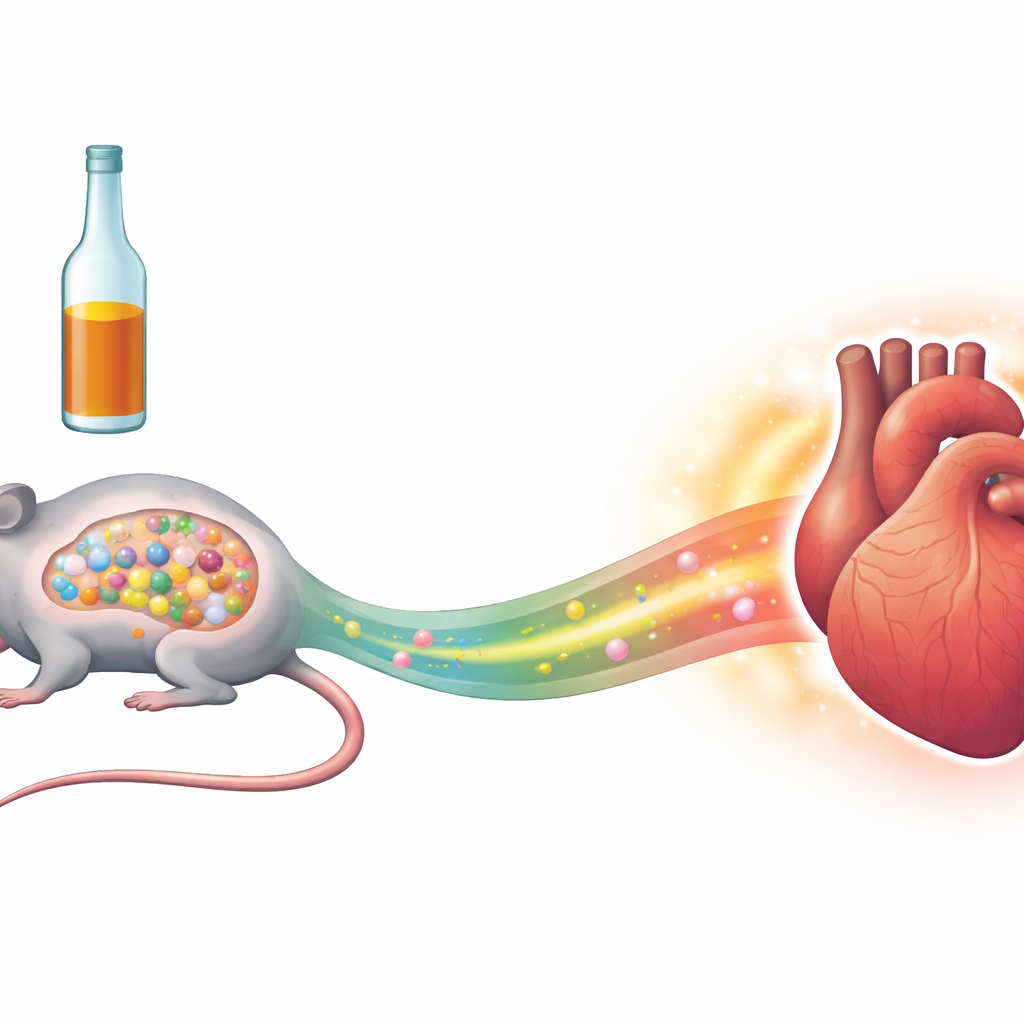
Fiber and acetate as possible protectors
The team then asked whether diet could nudge this axis back toward health. Mice with alcoholic heart disease were given either a high-fiber diet or drinking water enriched with acetate, a small molecule produced when gut microbes ferment fiber. Both interventions improved heart pumping ability, reduced scarring, and lowered harmful blood markers and lactate. At the same time, they restored microbial diversity and shifted the balance of the three key bacterial groups toward a healthier profile. 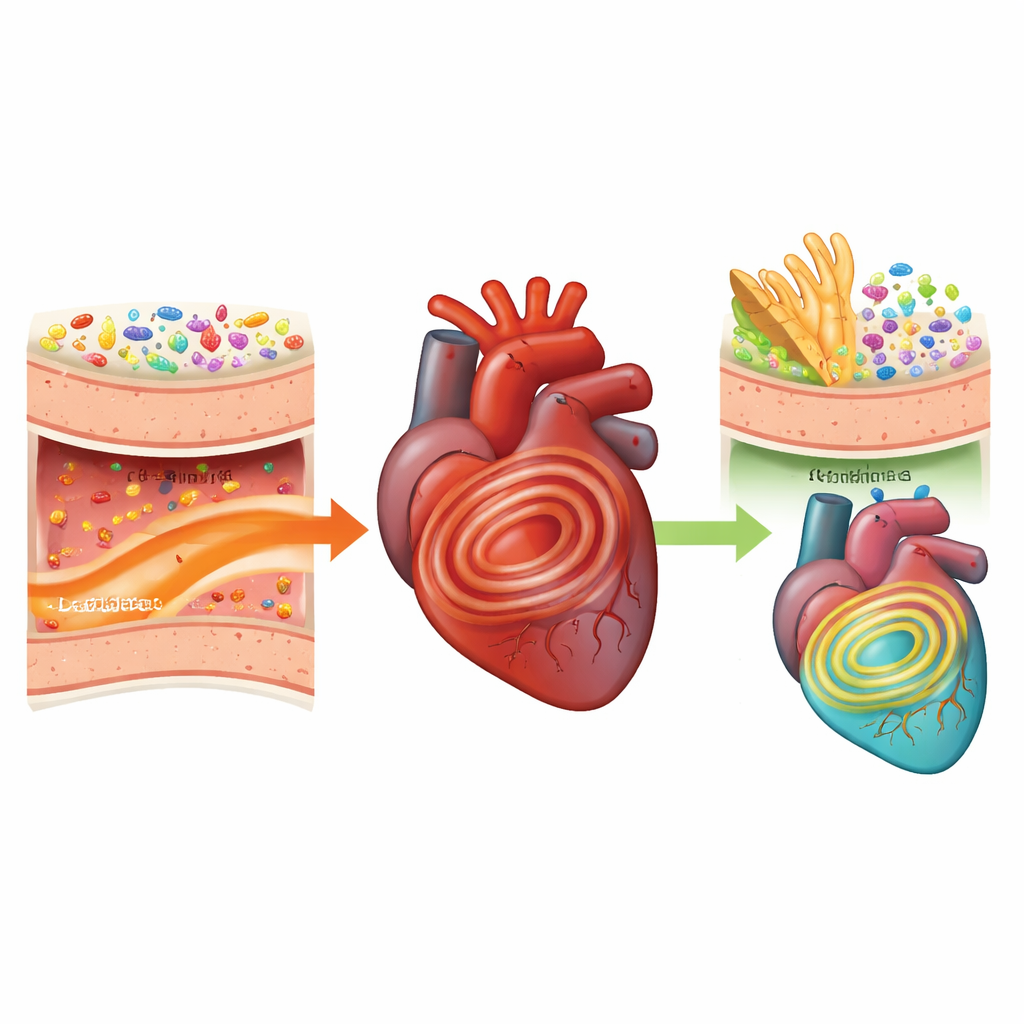
What this means for people who drink
To a lay reader, the message is that alcohol-related heart damage is not just about poison hitting heart cells directly. It also involves a three-way conversation among gut microbes, the chemicals they release, and the heart’s internal clock. In this mouse study, chronic drinking disturbed that conversation, raising lactate, scrambling daily timing signals in the heart, and worsening disease. Extra dietary fiber or acetate helped restore a healthier gut community, reduced lactate, and brought clock genes and heart function closer to normal. While more work is needed in humans, the findings highlight gut health and daily rhythms as promising new angles for preventing or treating alcoholic heart disease.
Citation: Siang, W., Wenji, L., Yiji, Z. et al. Gut microbiota-derived lactate is associated with disrupted cardiac circadian rhythms in alcoholic heart disease. npj Biofilms Microbiomes 12, 88 (2026). https://doi.org/10.1038/s41522-026-00958-0
Keywords: alcoholic heart disease, gut microbiome, circadian rhythm, lactate metabolism, dietary fiber