Clear Sky Science · en
The vaginal microbiome in pregnancy and preterm birth: mechanisms, disparities, and therapeutic opportunities
Why the invisible world inside matters
Every pregnancy unfolds alongside a hidden companion: the community of microbes that live in the vagina. This microscopic world can quietly help protect a developing baby, or, when out of balance, increase the chance of preterm birth—babies arriving too early, before 37 weeks. Because preterm birth is a leading cause of infant illness and death worldwide, understanding how these tiny organisms influence pregnancy could open the door to safer, more precise ways to protect mothers and their babies.
A friendly neighborhood of microbes
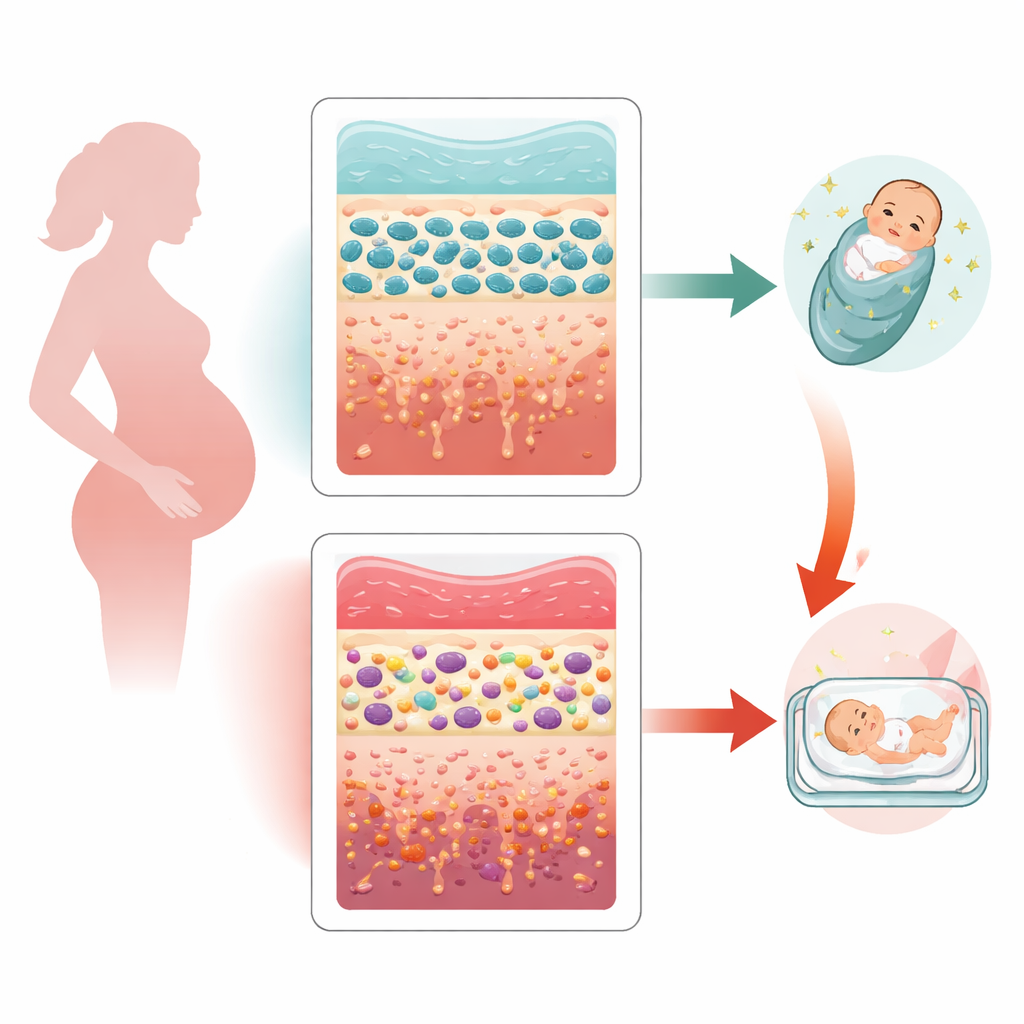
In many healthy pregnancies, the vaginal environment is dominated by a small group of helpful bacteria, especially certain Lactobacillus species. These bacteria help keep the vaginal space acidic and stable, forming a kind of living shield that supports a calm immune state and a strong protective lining. During pregnancy, this community usually becomes less diverse and more stable over time, which appears to favor full-term birth. When these friendly bacteria, particularly Lactobacillus crispatus, are abundant early in pregnancy, pregnancies tend to last longer and have fewer complications.
When balance is lost
Problems arise when this protective community is disturbed and more varied, often oxygen-avoiding bacteria gain ground. Species linked to bacterial vaginosis, such as Gardnerella and Prevotella, can form complex layers on the vaginal surface, thinning the mucus layer and irritating the tissue. This disturbance can attract immune cells and spark inflammation. Over time, this may weaken the cervix and the membranes around the baby, helping to trigger contractions or cause the water to break too soon. The review also notes that sexually transmitted infections and viruses may worsen this disturbance, working together with an already unbalanced microbiome to raise the risk of early delivery.
Unequal risks across populations
The authors highlight that patterns in these microbes vary across populations and are intertwined with social and structural inequalities. Women of African and some Hispanic backgrounds are more likely to begin pregnancy with highly mixed microbial communities that include more of the bacteria tied to inflammation. At the same time, they face greater burdens from chronic stress, limited access to care, and other forms of disadvantage. While pregnancy still tends to push most women toward more Lactobacillus-dominated states, those starting from a more diverse, unstable community often show more swings over time. These biological patterns cannot be separated from lived experience: race and ethnicity in many countries reflect histories of inequity rather than fixed biology.
Signals, chemistry, and the body’s alarm system
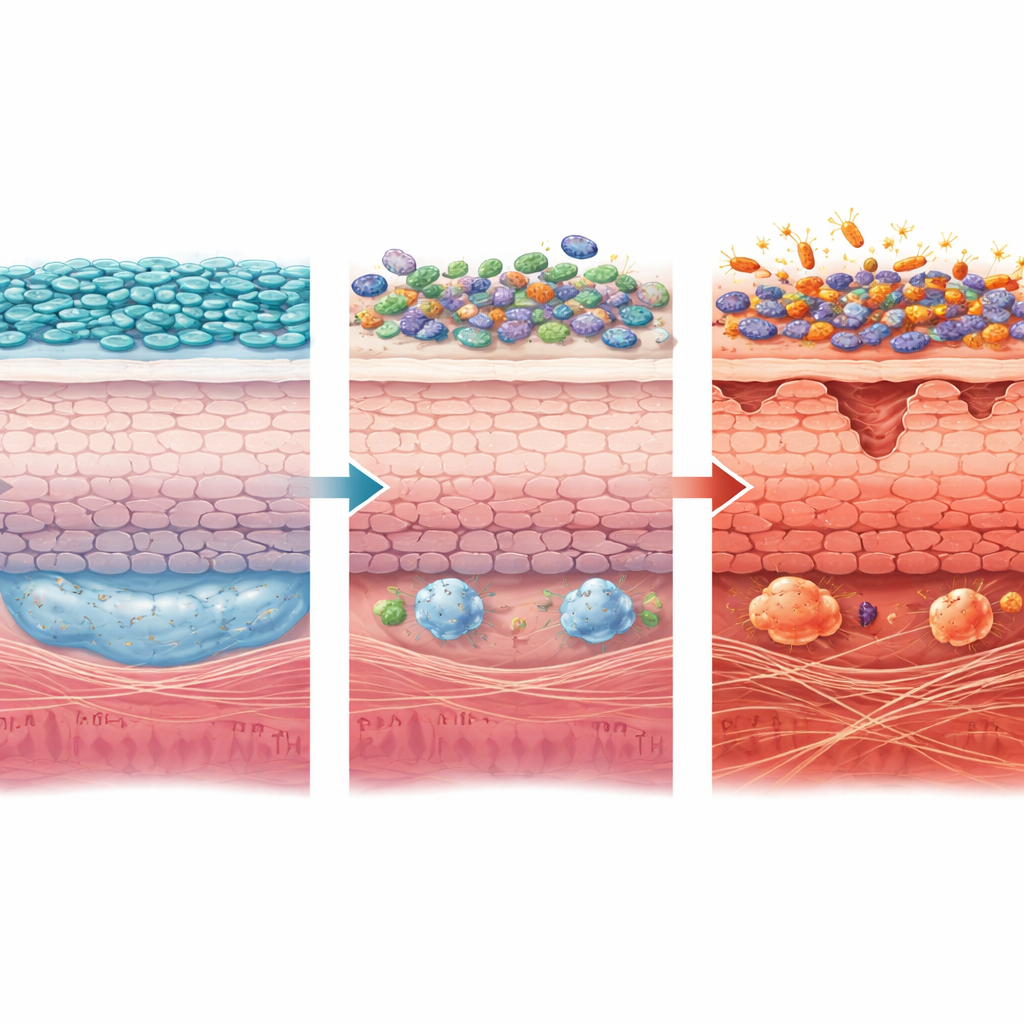
The review explains that harmful microbial patterns do more than simply “be there”—they actively change how the body behaves. In an unbalanced state, bacterial products and shifting chemistry in the vaginal fluid raise the local pH and damage the protective lining. This prompts immune cells to release alarm signals that attract more cells, loosen tissue structure, and alter the normal quiet state needed to sustain pregnancy. Studies combining microbial data with immune markers and small-molecule “fingerprints” in vaginal fluid show that certain combinations—such as high diversity, specific harmful species, and irritation-related chemicals—can appear before any symptoms and are strongly linked to preterm birth.
New ways to protect mothers and babies
Because standard antibiotics temporarily suppress some harmful bacteria but often fail to restore a stable, protective community, researchers are testing new strategies. These include live biotherapeutic products that deliver selected Lactobacillus strains, transplanting vaginal communities from healthy donors, and highly targeted virus-like enzymes that cut down specific troublemaking bacteria without harming beneficial ones. Early trials in non-pregnant women show these methods can shift the vaginal environment toward Lactobacillus dominance and reduce signs of irritation, and early, small studies in pregnant people suggest they may be safe and promising. However, much remains to be learned about who will benefit, when to intervene, and how to ensure these approaches are safe across different populations.
Where this leaves us now
This article concludes that the vaginal microbiome is not just a bystander in pregnancy—it is a key part of the system that can either support or undermine full-term birth. Yet many questions remain about which specific microbes, chemicals, and immune signals truly cause early labor, and how these patterns differ across communities and settings. The authors call for long-term, inclusive studies that follow women from before conception through birth, combining microbial, immune, and metabolic data. With better knowledge and carefully tested, microbiome-based therapies, clinicians may one day predict preterm birth earlier and offer treatments tailored to each woman’s microbial profile, helping more babies arrive safely and on time.
Citation: Pillay, N., Short, CE.S., Mzobe, G.F. et al. The vaginal microbiome in pregnancy and preterm birth: mechanisms, disparities, and therapeutic opportunities. npj Biofilms Microbiomes 12, 89 (2026). https://doi.org/10.1038/s41522-026-00945-5
Keywords: vaginal microbiome, pregnancy, preterm birth, bacterial vaginosis, probiotic therapy