Clear Sky Science · en
Hepatic SNHG9 links gut microbiota to liver protection in drug-induced liver injury
How Friendly Gut Germs May Shield the Liver
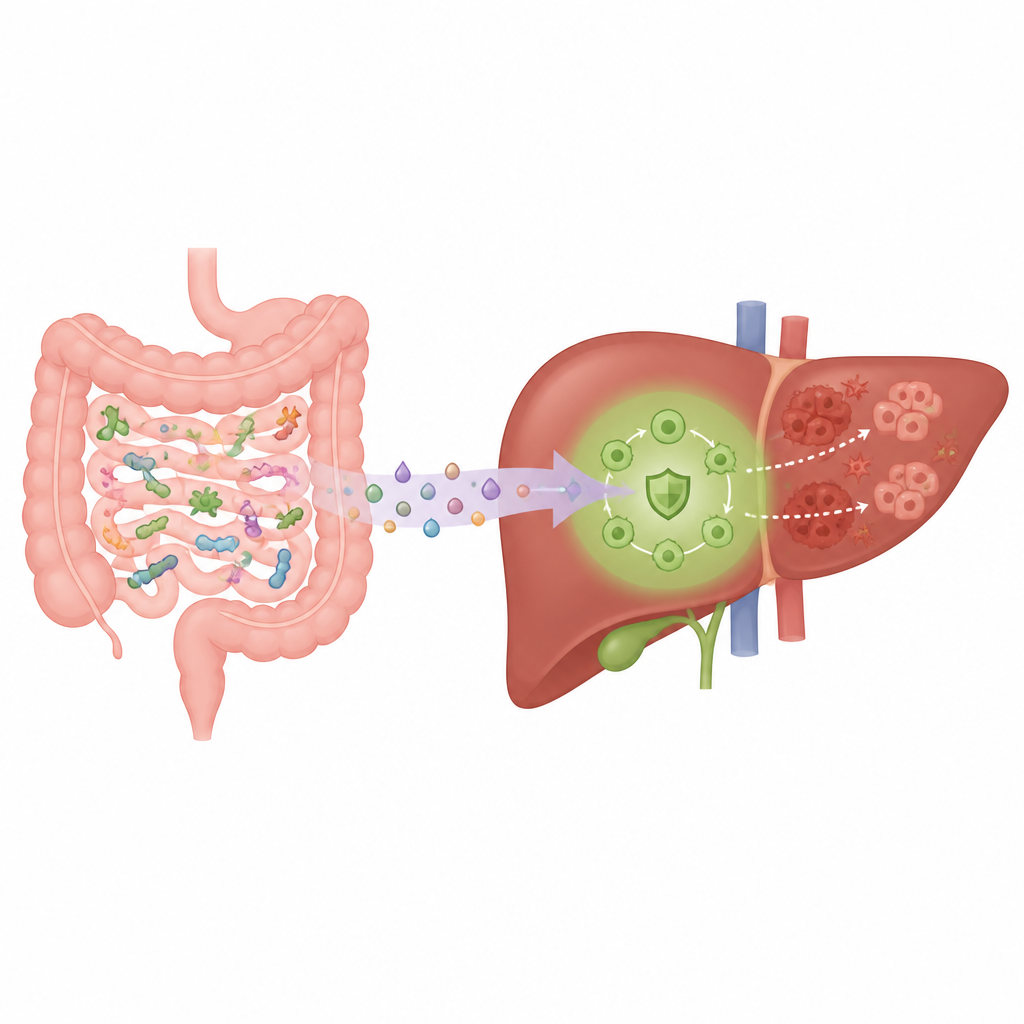
Many people rely on painkillers like acetaminophen without realizing that high doses can severely harm the liver. This study explores how helpful gut bacteria and one of their tiny chemical products can switch on a natural clean-up system inside liver cells, reducing damage from drug-induced liver injury. Understanding this hidden gut–liver conversation could point to gentler ways to protect the liver in the future.
A Common Painkiller and a Hidden Risk
Drug-induced liver injury is a major cause of sudden liver failure, and acetaminophen overdose is one of the most common culprits. When taken in large amounts, the drug is converted into a toxic compound that overwhelms the liver’s defenses, injuring cell powerhouses and triggering cell death and inflammation. Current treatments are limited, so researchers are searching for natural protective systems already present in the body. Growing evidence shows that gut microbes and their metabolites strongly influence liver health, but the exact molecular messengers that carry these signals into liver cells have remained unclear.
A Protective RNA Switch Inside Liver Cells
The authors identified a long non-coding RNA called SNHG9 in liver cells as a key switch in this protective system. In mice, higher levels of SNHG9 in the liver led to less tissue damage, lower leakage of liver enzymes into the blood, and reduced inflammation after acetaminophen exposure, without altering how the drug was broken down. When SNHG9 was reduced, liver injury and inflammatory markers worsened. Human liver biopsy samples from patients with drug-induced liver injury also showed more SNHG9 in livers that were less severely damaged, suggesting that the liver may turn up this RNA as a built-in defense response during injury.
How the Liver’s Cleanup Machinery Gets Turned On
Digging into the mechanism, the team showed that SNHG9 boosts a receptor protein called MAS on liver cells, which is known to promote autophagy, the cell’s recycling and clean-up system. Autophagy helps remove damaged mitochondria and toxic drug-protein clumps that otherwise fuel ongoing injury. SNHG9 binds to a protein called IMP2, steering it toward the message (mRNA) for another protein, MYC. This interaction makes the MYC message less stable and reduces MYC protein, which normally acts as a brake on MAS production. With MYC dampened, MAS levels rise, autophagy is enhanced, and liver cells become better at clearing damage after acetaminophen exposure.
Gut Bacteria, a Small Molecule, and a Liver Lifeline
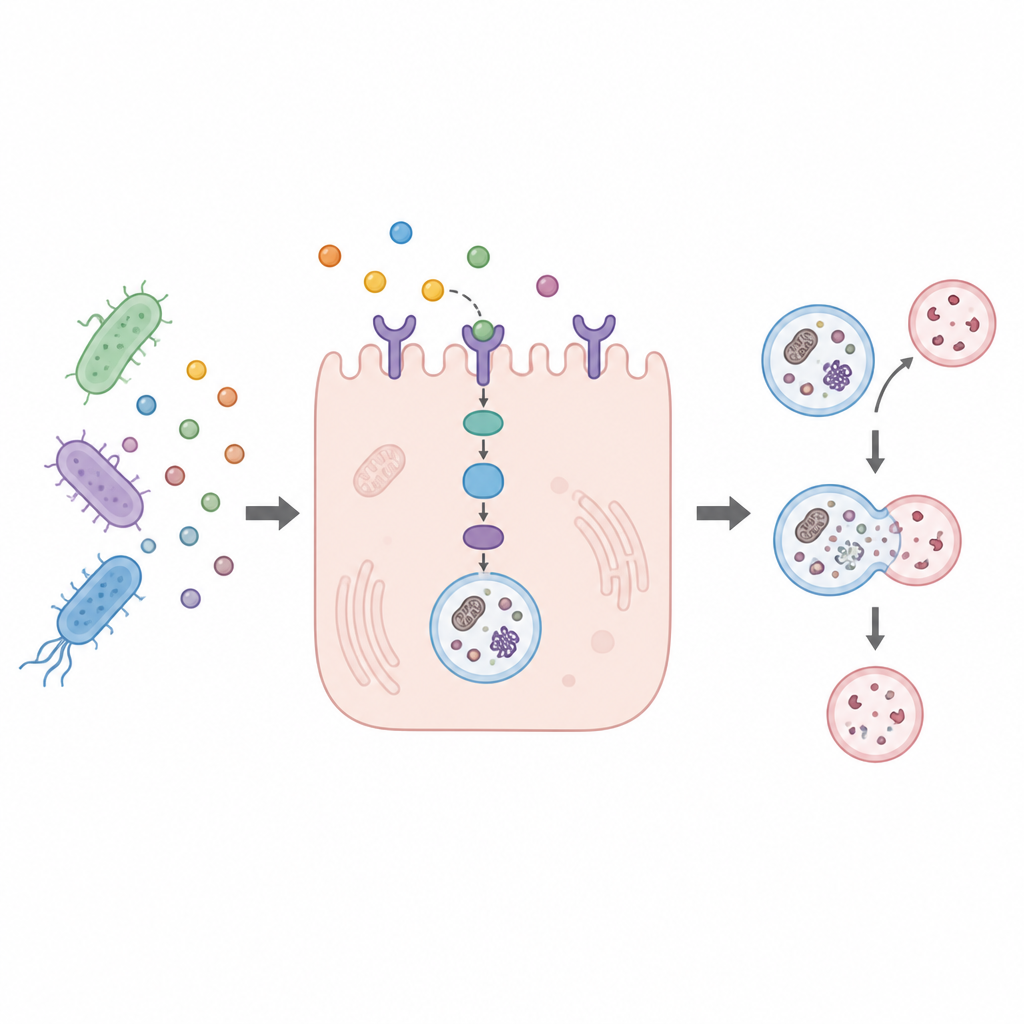
The researchers next asked how gut microbes influence this RNA switch. Mice from facilities with different gut microbiota had different liver SNHG9 levels, and transplanting fecal microbes transferred this pattern, pointing to a microbial influence at a distance. Among several candidate bacteria, a Lactobacillus strain stood out: feeding this strain to mice increased liver SNHG9, lowered MYC, raised MAS, and strengthened autophagy. These mice suffered less liver damage and inflammation after acetaminophen. The team traced this effect to a microbial metabolite called HMB, a small molecule derived from the amino acid leucine. HMB from Lactobacillus bound to a liver-cell receptor named HCAR2 and was necessary to raise SNHG9 levels and activate the MAS–autophagy pathway. Blocking SNHG9 or HCAR2 largely erased HMB’s protective benefits, and in human patients, higher blood levels of HMB were linked to milder markers of liver injury.
What This Means for Future Liver Protection
Taken together, the work reveals a chain of events in which gut bacteria produce HMB, HMB activates a liver receptor, this boosts the RNA SNHG9, and SNHG9 in turn lifts the brake on a protective clean-up pathway inside liver cells. For lay readers, the key idea is that our gut microbes can send chemical signals that help the liver take out its cellular trash more efficiently after drug stress. While much more research and careful clinical testing are needed before translating this into therapies, the study suggests that adjusting gut microbes or providing safe levels of HMB could one day complement existing strategies to reduce the risk of drug-induced liver injury.
Citation: Bao, W., Hang, B., Zeng, D. et al. Hepatic SNHG9 links gut microbiota to liver protection in drug-induced liver injury. Nat Commun 17, 4415 (2026). https://doi.org/10.1038/s41467-026-73309-4
Keywords: gut liver axis, drug induced liver injury, acetaminophen toxicity, gut microbiota metabolites, autophagy