Clear Sky Science · en
Differential KEAP1/NRF2 mediated signaling widens the therapeutic window of redox-targeting drugs in SCLC therapy
Why this research matters for lung cancer patients
Small cell lung cancer (SCLC) is one of the deadliest cancers, often responding dramatically to initial chemotherapy, only to return within months in a more resistant form. This study explores a new way to attack SCLC by exploiting how these cancer cells handle chemical stress, while at the same time shielding healthy organs from damage. The work suggests a strategy that could keep tumors in remission longer and make long-term treatment safer.
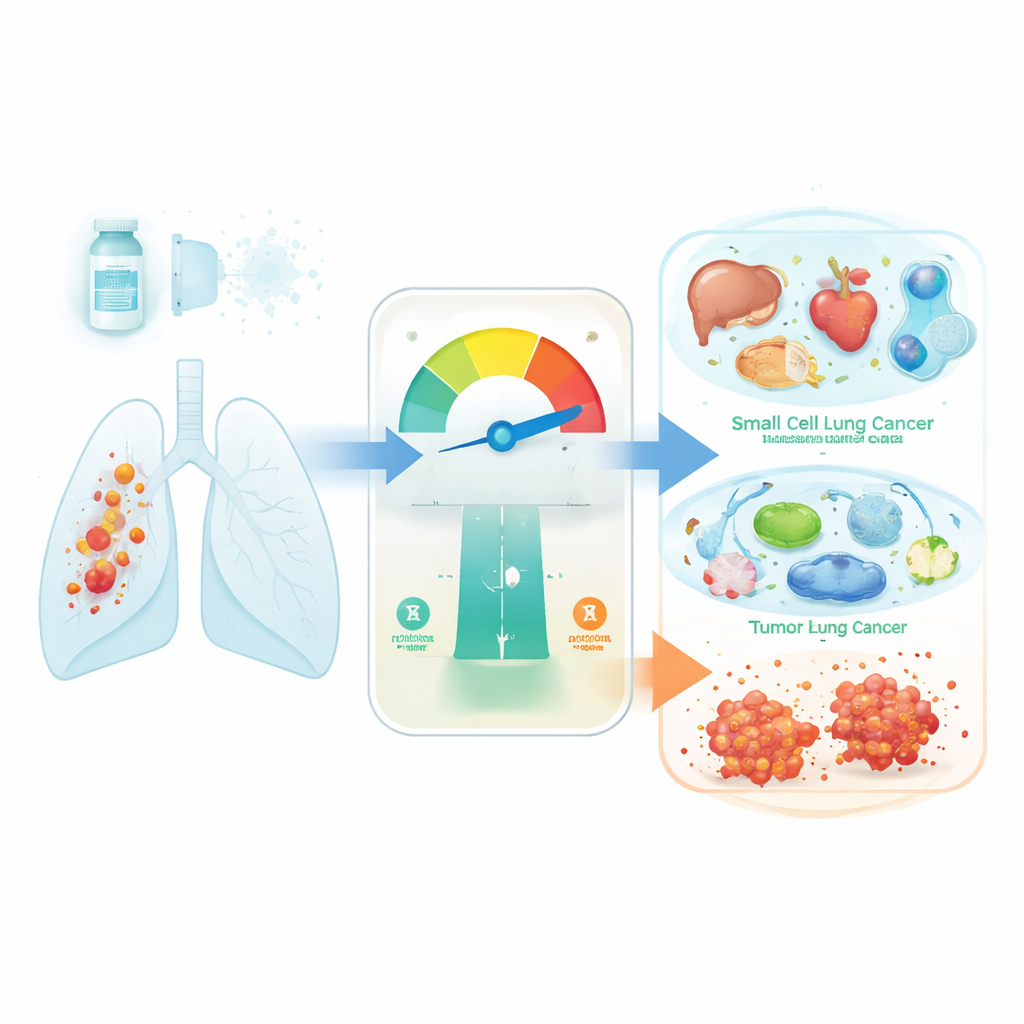
A hidden weakness in aggressive lung tumors
The authors focus on a type of internal stress called oxidative stress, caused by reactive oxygen species—chemically reactive by-products of cell metabolism and many cancer treatments. Most cells are equipped with protective systems that neutralize these molecules. By analyzing gene activity patterns, the researchers found that SCLC cells generally have weak expression of a set of 15 antioxidant genes, called antioxidant capacity biomarkers. This low protective capacity was seen across many SCLC cell lines and patient samples, regardless of their molecular subtype or prior chemotherapy exposure, hinting at a shared vulnerability.
Turning oxidative stress into a selective weapon
To exploit this weakness, the team tested drugs that block thioredoxin reductase 1 (TXNRD1), a key enzyme that helps cells manage oxidative stress. In the lab, TXNRD1 inhibitors—especially a compound called DKFZ-608—killed SCLC cells efficiently, including those that had become highly resistant to the standard drug cisplatin. Normal lung and skin–derived cells were far less affected at the same doses, creating a wide “therapeutic window” in which tumors are hit hard while healthy cells are relatively spared. Notably, even SCLC cells that survived or relapsed after cisplatin therapy remained sensitive to TXNRD1 inhibition, suggesting that common resistance mechanisms do not protect against this new class of drugs.
Why tumor cells cannot adapt but healthy cells can
Usually, cells respond to rising oxidative stress by activating a defensive program controlled by the protein NRF2. In many cancers, this switch is overactive and makes tumors more drug-resistant. In SCLC, however, the authors found the opposite: NRF2’s downstream defense genes are poorly activated, even when cells are challenged. Genetic and epigenetic analyses showed that multiple layers of regulation keep antioxidant enzymes low, and pharmacologic attempts to lift this brake only partially succeeded. As a result, when TXNRD1 is blocked, reactive oxygen species surge in SCLC cells and overwhelm their limited buffering capacity, triggering cell death. In contrast, non-cancerous cells responded to NRF2-activating compounds by boosting antioxidant enzymes, increasing their ability to tolerate oxidative stress.
Protecting organs while pushing drug doses higher
The team then tested these principles in mouse models of SCLC. In one model, DKFZ-608 was given as a maintenance treatment after successful cisplatin/etoposide therapy. Mice receiving the TXNRD1 inhibitor after chemotherapy remained tumor-free for months, whereas tumors in the chemotherapy-only group relapsed quickly. In a second model, the researchers combined a weaker TXNRD1 inhibitor, DKFZ-682, with a drug called Bardoxolone methyl (CDDO-Me), which activates NRF2. In healthy organs such as liver, kidney, heart, and lung, CDDO-Me switched on antioxidant pathways and reduced blood markers of tissue damage, allowing the dose of DKFZ-682 to be safely increased 2.5-fold. Tumors, however, showed little functional NRF2-driven protection and remained vulnerable, so higher drug doses translated into better tumor control without extra systemic toxicity.
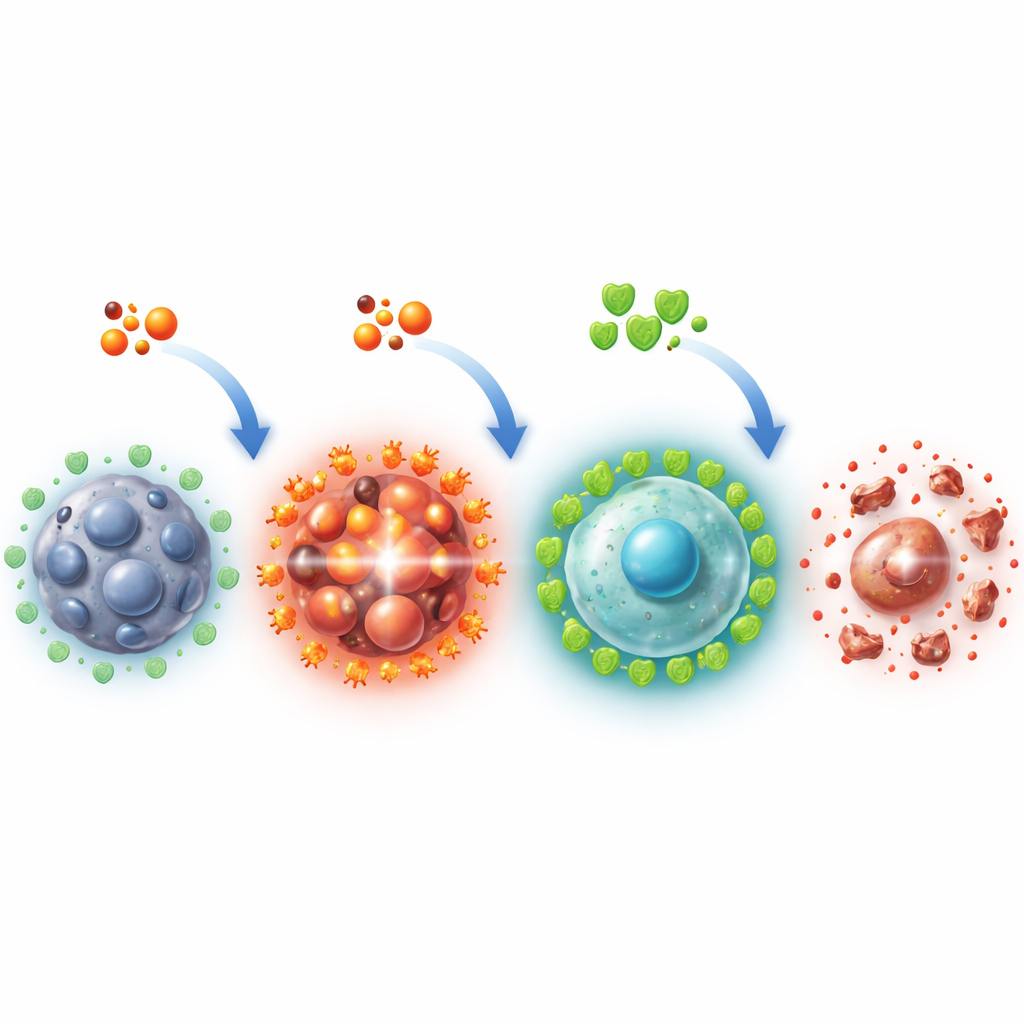
What this could mean for future treatment
This work indicates that SCLC carries an intrinsic, stable weakness in its ability to manage oxidative stress—one that persists even after resistance to standard chemotherapy emerges. By targeting TXNRD1, doctors may be able to drive tumor cells past their limited stress tolerance while leaving normal tissues protected. Pairing TXNRD1 inhibitors with NRF2 activators further widens the safety margin by hardening healthy organs without shielding the cancer. Although the compounds used here still need refinement and clinical testing, the concept points to a potential new maintenance strategy: keeping SCLC in long-term check by attacking its redox imbalance while pharmacologically safeguarding the rest of the body.
Citation: Samarin, J., Nůsková, H., Fabrowski, P. et al. Differential KEAP1/NRF2 mediated signaling widens the therapeutic window of redox-targeting drugs in SCLC therapy. Nat Commun 17, 3435 (2026). https://doi.org/10.1038/s41467-026-71608-4
Keywords: small cell lung cancer, oxidative stress, thioredoxin reductase, NRF2 pathway, maintenance therapy