Clear Sky Science · en
Habitual coffee intake shapes the gut microbiome and modifies host physiology and cognition
Why your morning coffee is more than a wake‑up call
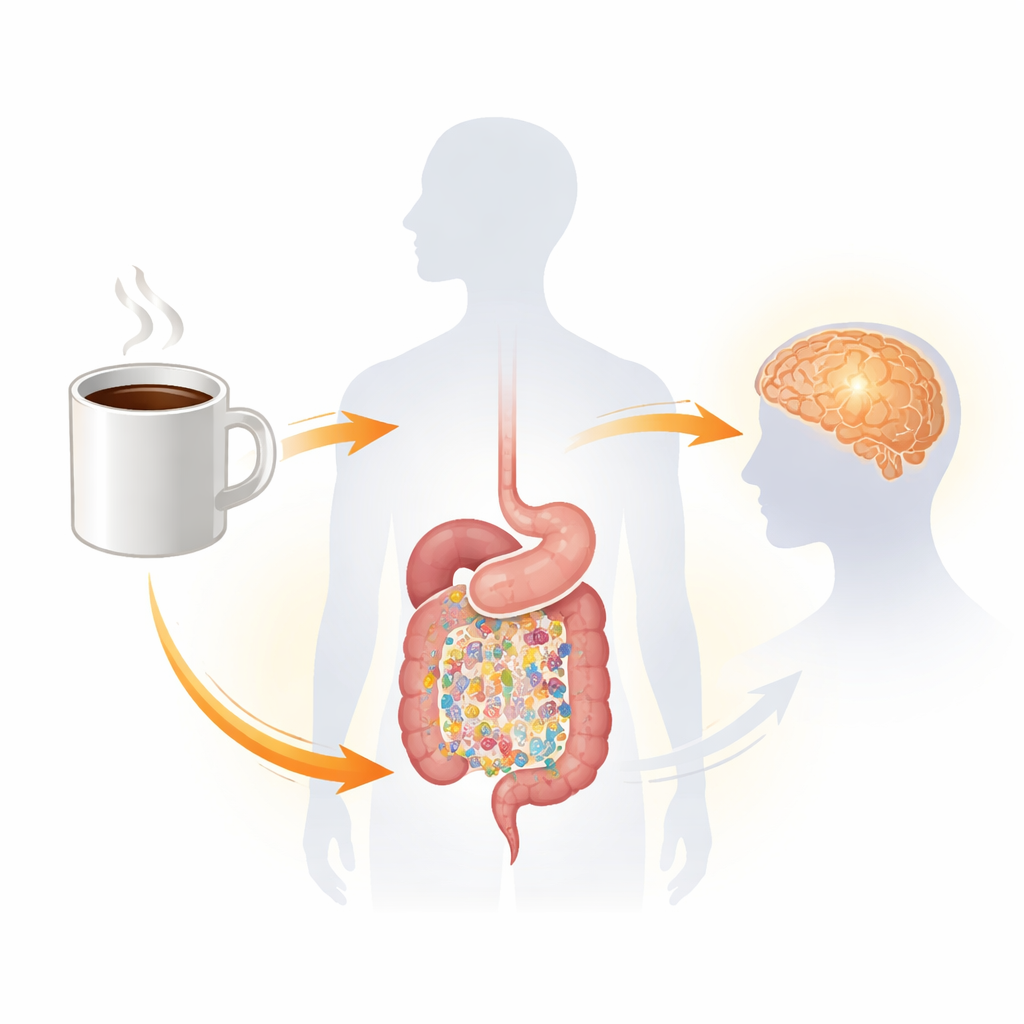
Coffee is often seen as a simple pick‑me‑up, but this study shows that your daily cup may be quietly reshaping your gut microbes, tuning your immune system, and nudging how you feel and think. By comparing people who regularly drink coffee with those who never do—and then asking coffee drinkers to stop and restart with either regular or decaf—the researchers reveal how coffee connects the gut and the brain in ways that go well beyond caffeine alone.
How the study followed coffee lovers and abstainers
The researchers recruited healthy adults in their 30s and 40s and split them into two groups: habitual coffee drinkers and people who never drink coffee. Everyone completed detailed food diaries, mood and stress questionnaires, and cognitive tests of memory, attention, and emotional processing. They also provided stool, urine, blood, and saliva samples so scientists could profile gut microbes, measure hundreds of small molecules, and track stress hormones. Coffee drinkers were then asked to give up all coffee for two weeks, after which they were randomly assigned to drink either caffeinated or decaffeinated instant coffee for three weeks, while samples and tests were repeated over time.
What coffee did to mood, behavior, and thinking
At the outset, regular coffee drinkers tended to report higher impulsivity and stronger emotional reactions than non‑drinkers, even though their stress, depression, and anxiety scores were otherwise similar. When these coffee drinkers stopped all coffee for two weeks, they actually became less impulsive and less emotionally reactive, and some aspects of attention improved—likely helped by repeated testing but also by withdrawal from daily stimulation. Reintroducing coffee in either form reduced impulsivity further and lowered perceived stress and depression. Caffeinated coffee especially eased anxiety and psychological distress and supported attention, while decaf was linked to better sleep, more physical activity, and improved memory scores, hinting that non‑caffeine components of coffee can benefit cognition.
How coffee reshaped gut microbes and chemical messengers
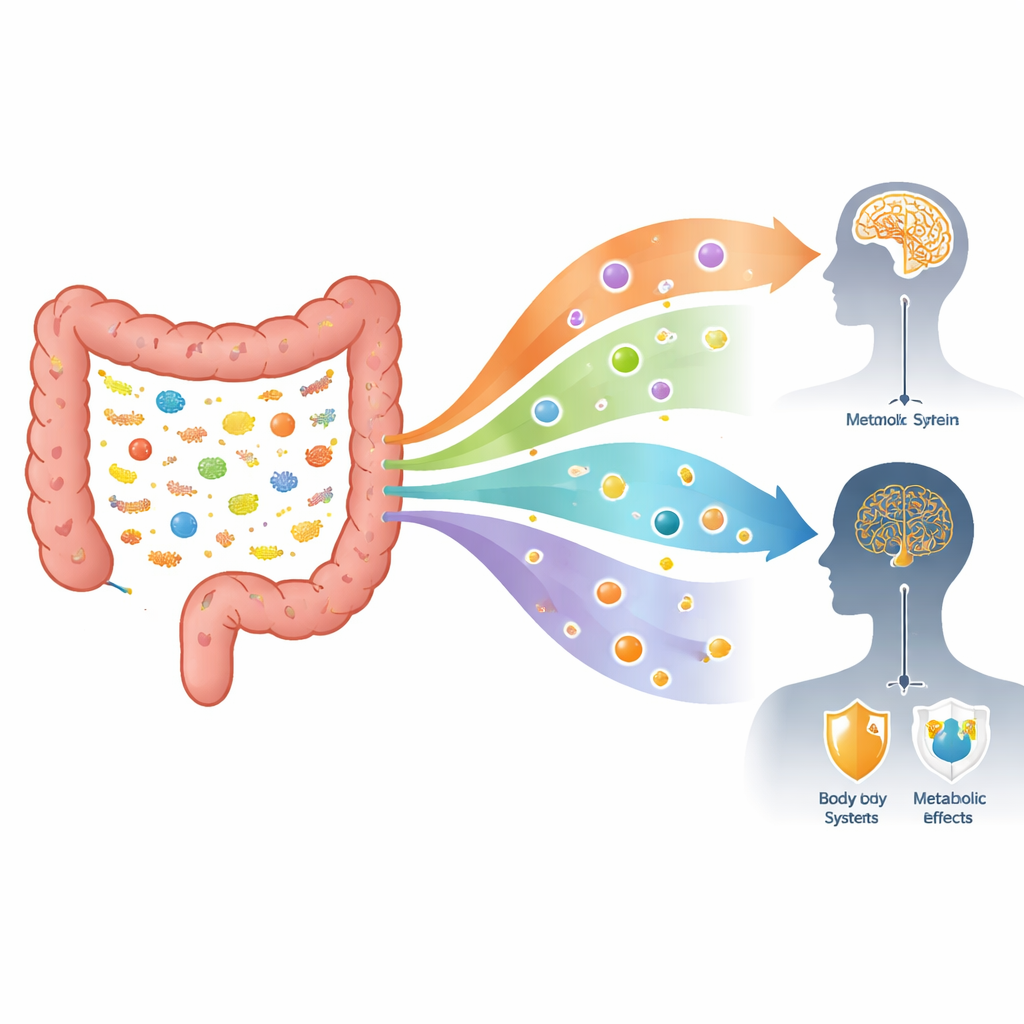
Coffee drinkers’ gut contents carried clear chemical fingerprints of coffee. Stool and urine from these participants contained higher levels of caffeine breakdown products and plant‑derived phenolic compounds, many of which are processed by gut bacteria. Some neuroactive molecules made or modified in the gut—such as indole‑3‑propionic acid and the calming messenger GABA—were lower in coffee drinkers, and their levels shifted again when coffee was removed and reintroduced. Coffee also nudged the relative abundance of specific bacterial strains rather than overhauling overall diversity. Species such as Cryptobacterium and Eggerthella were more common in coffee drinkers, whereas Veillonella species surged only after coffee was brought back, regardless of caffeine. These targeted shifts suggest that particular microbes are especially sensitive to coffee’s complex mix of fibers and plant chemicals.
Body‑wide effects on immunity, stress, and circulation
Beyond the gut, coffee subtly altered immune and inflammatory signals in the blood. Regular drinkers started out with lower levels of C‑reactive protein, a general marker of inflammation, and higher levels of an anti‑inflammatory molecule called IL‑10. When they gave up coffee, inflammatory markers such as CRP and TNF‑alpha rose, and immune cells produced more of certain cytokines when challenged in the lab. Bringing coffee back again shifted these markers in different directions depending on whether it contained caffeine, suggesting that both caffeine and other coffee components contribute to immune tuning. Surprisingly, however, neither habitual coffee intake nor its withdrawal had a large effect on the stress hormone cortisol, either upon waking or during a standardized cold‑water stress test, implying that coffee’s mood benefits operate mainly through other biological routes.
What this means for everyday coffee choices
Taken together, the findings portray coffee as a dietary signal that the gut microbiome can "read" and translate into changes in metabolites, inflammation, and, indirectly, mood and cognition. Caffeinated and decaffeinated coffee each brought distinct advantages—regular coffee more clearly reduced anxiety and blood pressure, while decaf favored sleep and memory—yet both supported better mood and lower inflammation overall. For non‑coffee drinkers, the study also suggests there may be benefits to avoiding dependence on a stimulant, such as more stable blood pressure and fewer withdrawal effects. Ultimately, the work highlights that your coffee habit and your gut microbes are closely intertwined, and that tailoring coffee type and amount may one day be part of personalized strategies to support brain and body health.
Citation: Boscaini, S., Bastiaanssen, T.F.S., Moloney, G.M. et al. Habitual coffee intake shapes the gut microbiome and modifies host physiology and cognition. Nat Commun 17, 3439 (2026). https://doi.org/10.1038/s41467-026-71264-8
Keywords: coffee and gut microbiome, microbiota gut brain axis, caffeine and cognition, diet and mental health, coffee and inflammation