Clear Sky Science · en
Disruption of tRNA threonylation triggers RIG-I mediated anti-tumour immune response
How Disordered Proteins Can Help Fight Cancer
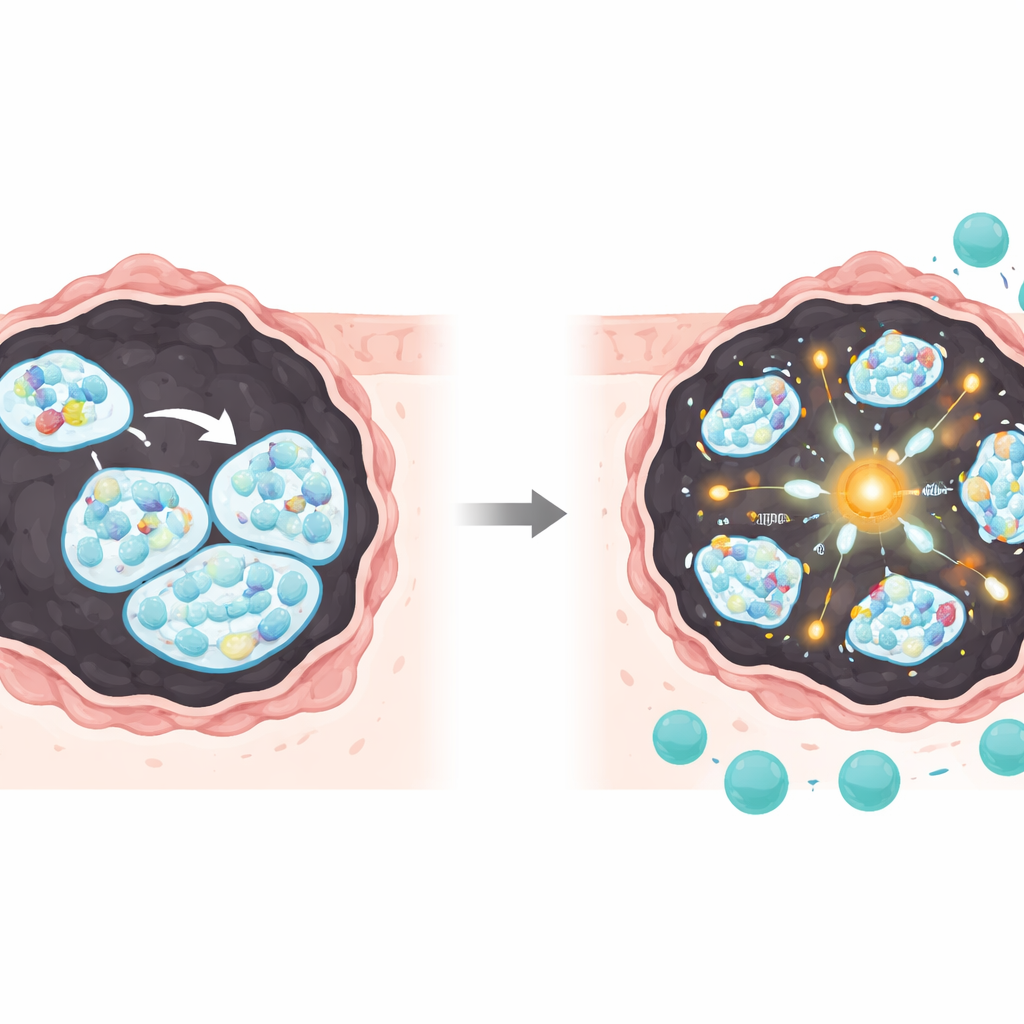
Cancer cells survive in part by hiding from the immune system. This paper uncovers an unexpected weak spot in that hiding strategy: a tiny chemical tag on transfer RNAs (tRNAs), the molecules that help build proteins. When this tag is removed in melanoma cells, their protein-production machinery falters just enough to create stress inside the cell. That stress, in turn, flips on an internal alarm system that calls in T cells, the immune system’s elite cancer-killing troops.
A Hidden Handle on Immune Evasion
Melanoma, a form of skin cancer, often resists modern immunotherapies because its tumors are “cold” – they contain few T cells. The authors focused on proteostasis, the cell’s ability to make and maintain properly folded proteins, as a potential regulator of this immune silence. They examined enzymes that chemically modify tRNAs near the region that reads genetic code. One enzyme, OSGEP, which installs a specific modification called t6A, stood out: when it was reduced in melanoma cells, proteins began to misfold and clump, a sign that the cell’s quality-control system was under strain. This suggested that a very small tweak in the translation machinery might have large consequences for how tumors interact with the immune system.
Turning Cold Tumors Hot
To test whether this molecular change affected real tumors, the researchers implanted mouse melanoma cells with and without OSGEP into mice. In immune-deficient animals, tumors grew regardless of OSGEP status. But in immune-competent mice, tumors lacking OSGEP shrank dramatically, and the animals survived longer. Detailed analysis showed that these tumors were flooded with CD4 and CD8 T cells, which were highly active and producing inflammatory molecules. When the scientists experimentally removed T cells, the growth defect of OSGEP-deficient tumors disappeared. This showed that the loss of OSGEP does not simply slow cancer-cell growth; it specifically makes tumors vulnerable to T cell–driven attack.
From Translation Errors to Cellular Alarm Bells
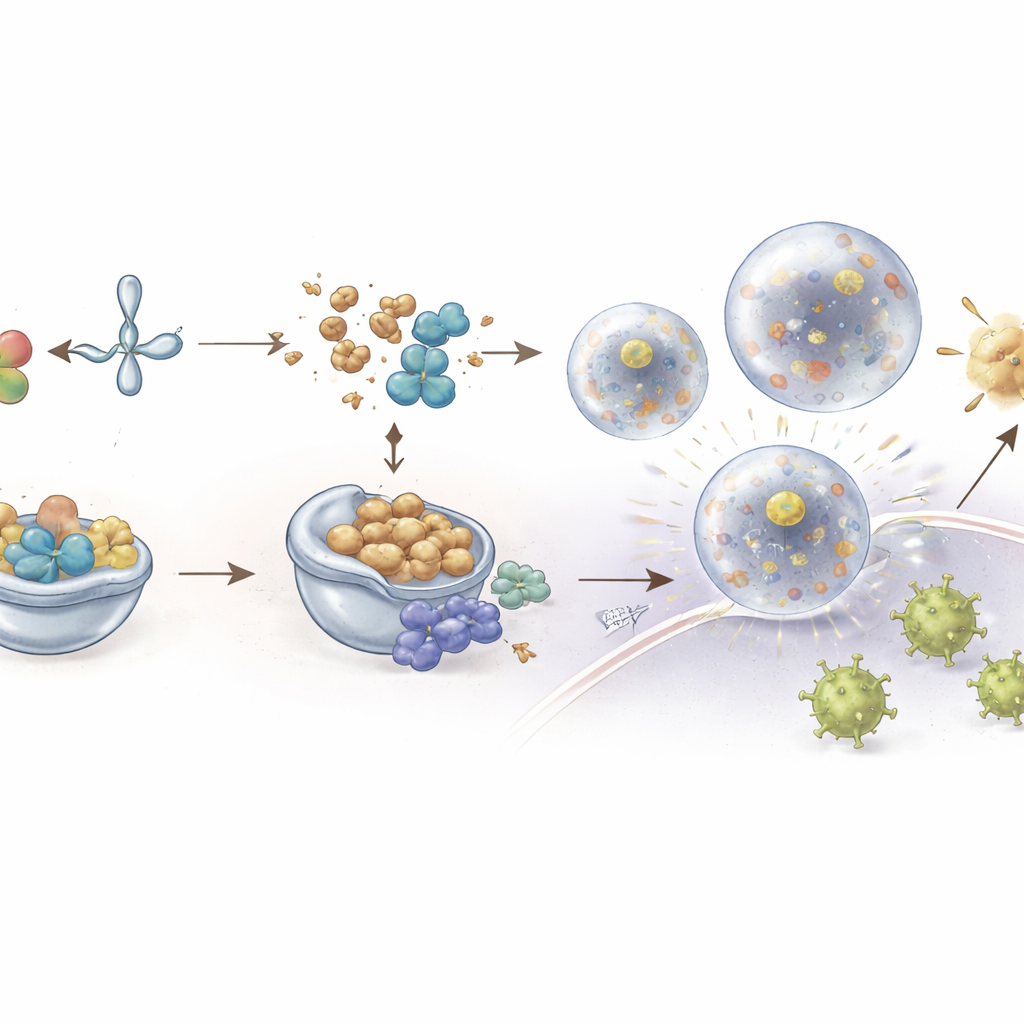
Diving deeper, the team asked how a tRNA modification could reshape immunity. Without OSGEP, the t6A mark on certain tRNAs was lost, subtly disturbing how the cell translates a subset of genetic “words” (ANN codons) into proteins. Global protein production stayed nearly normal, but the error-prone decoding caused particular proteins to misfold and aggregate. These aggregates activated a stress pathway centered on a kinase called HRI, which phosphorylates a translation factor and promotes the formation of stress granules—droplet-like compartments that temporarily store RNAs and proteins during cellular distress. Within these granules, an innate immune sensor called RIG-I relocated and switched on, triggering downstream signaling that boosted production of interferons and chemokines, the chemical beacons that draw T cells into tumors.
An RNA Sensor Turns Against the Tumor
RIG-I is best known as a viral RNA detector, but here it responds to the cancer cell’s own RNAs under stress. By pulling down RIG-I and sequencing the attached RNAs, the authors found that tRNAs were especially enriched when OSGEP was lost. Transferring these RIG-I–bound RNAs into normal melanoma cells was enough to activate the RIG-I pathway, confirming that stressed endogenous RNAs can act as danger signals. When RIG-I itself was knocked down in OSGEP-deficient tumors, they regained their ability to grow and lost their T-cell infiltration, proving that RIG-I is the key link between translation stress and anti-tumor immunity. Analysis of human melanoma datasets further showed that a gene-expression signature associated with low OSGEP activity correlated with higher T-cell presence and better patient survival.
New Ways to Wake Up the Immune System
In simple terms, this study reveals a chain reaction: disturbing a fine-tuned tRNA modification in melanoma cells causes subtle translation errors, leading to protein clumps, cellular stress granules, activation of the RIG-I alarm system, and ultimately a strong T cell–mediated immune attack on the tumor. This positions the t6A modification and its enzyme machinery as promising, if complex, drug targets. While blocking OSGEP systemically could have side effects, the work highlights a powerful concept: by deliberately nudging a cancer cell’s protein factory off balance, we may be able to force the tumor to reveal itself to the immune system and turn previously “cold” melanomas into “hot,” treatable ones.
Citation: Dziagwa, C., Seca, C., Capron, C. et al. Disruption of tRNA threonylation triggers RIG-I mediated anti-tumour immune response. Nat Commun 17, 3145 (2026). https://doi.org/10.1038/s41467-026-69964-2
Keywords: melanoma immunology, tRNA modification, RIG-I signaling, tumor proteostasis, stress granules